


Sinusitis

Treatment for Nasal Polyps and Chronic sinusitis
Treating symptoms of Nasal polyps and CRS can sometimes be disappointing and tiresome, so many patients search for alternative medical…

Influenza or the common cold, what is the difference?
Separating the symptoms of the common cold from those of Influenza can sometimes be difficult, but, in general, people with a common cold,…

Rapid Influenza Test
Influenza, known as the flu, is a respiratory infection caused by a virus, which can be identified with a Rapid Influenza Test.

Assessment for Sinusitis and Nasal Pathology
The assessment for sinusitis is based on the patient’s history and endoscopy of the nose, using a special endoscope and camera.

Treating the Common Cold or Flu using Essential Oils
The best natural treatments for treating the common cold and the flu are aromatherapy and herbal medicine. The use of certified medical essential oils for…

Getting through the common cold
You may not be able to cure your common cold, but you can make yourself as comfortable as possible. Here are a few tips to consider…

Smell Disorders (Anosmia-Hyposmia)
Loss of smell (anosmia) can be partial or complete, although a complete loss of smell is fairly rare. Loss of smell can also be…

Nasal Polyps
Nasal polyps are soft, painless, noncancerous growths on the lining of the nasal passages or sinuses. They hang down like teardrops or grapes….

EY-LLLT acupuncture for Rhinitis, Blocked Nose, Runny Nose
Acupuncture with EY-LLLT is a new method for a completely painless treatment of rhinitis and nasal blockage. This causes reduction…
Introduction, Anatomy, and Pathophysiology: What Sinusitis Is and How the Paranasal Sinuses Work
Sinusitis—more accurately termed rhinosinusitis in modern medical and otorhinolaryngologic terminology—is one of the most common and troublesome inflammatory disorders of the upper respiratory tract worldwide. It is an acute or chronic inflammation and swelling of the respiratory mucosa lining the nasal cavity and the air-filled cavities of the skull known as the paranasal sinuses.
Each year, millions of patients of all ages experience episodes of nasal obstruction, facial pain, and purulent nasal discharge, with serious effects on sleep quality, work performance, and physical well-being. A proper understanding of the disease requires in-depth knowledge of sinonasal anatomy and physiology.

The paranasal sinuses are four pairs of cavities within the bones of the skull and face. They communicate directly with the nasal cavity through small natural openings known as drainage ostia:
- Maxillary Sinuses: These are the largest sinus cavities and lie on either side beneath the eye sockets, within the cheekbones and immediately above the roots of the upper teeth.
- Frontal Sinuses: These lie within the frontal bone, immediately above and between the eyebrows.
- Ethmoid Air Cells: These form a complex network of small air-filled cells between the eyes and the nasal cavity.
- Sphenoid Sinus: This is the deepest sinus in the skull. It is located centrally at the skull base, immediately behind the ethmoid air cells and in front of the brain and pituitary gland.
Under normal conditions, the paranasal sinuses perform several important functions: they reduce the weight of the bony skull, act as resonance chambers for the voice, provide a cushioning effect in facial trauma, and—most importantly—humidify and warm inhaled air. Their interior is lined by specialized ciliated respiratory mucosa that produces 1 to 1.5 liters of clear, protective mucus each day.
Microscopic cilia move continuously and rhythmically toward the natural ostia, carrying mucus and particles of dust, allergens, and microorganisms toward the nose and nasopharynx. This mechanism is known as mucociliary clearance.
When a viral infection (the common cold or influenza), a severe allergic episode, or anatomical factors cause swelling and inflammation of the nasal mucosa, the narrow drainage ostia of the paranasal sinuses become obstructed. This immediately interrupts mucociliary clearance and ventilation of the cavities.
Oxygen within the sinuses is consumed, pressure becomes negative, blood vessels dilate, and abundant serous fluid and mucus become trapped. This warm, moist, poorly ventilated, nutrient-rich environment is ideal for the rapid proliferation of pathogenic bacteria and fungi, turning simple viral congestion into severe, purulent bacterial rhinosinusitis.
Causes, Predisposing Factors, and Associated Conditions
Sinusitis does not arise at random. It results from the interaction of infectious agents, allergic hyperreactivity, environmental irritants, and underlying anatomical or immune disorders:
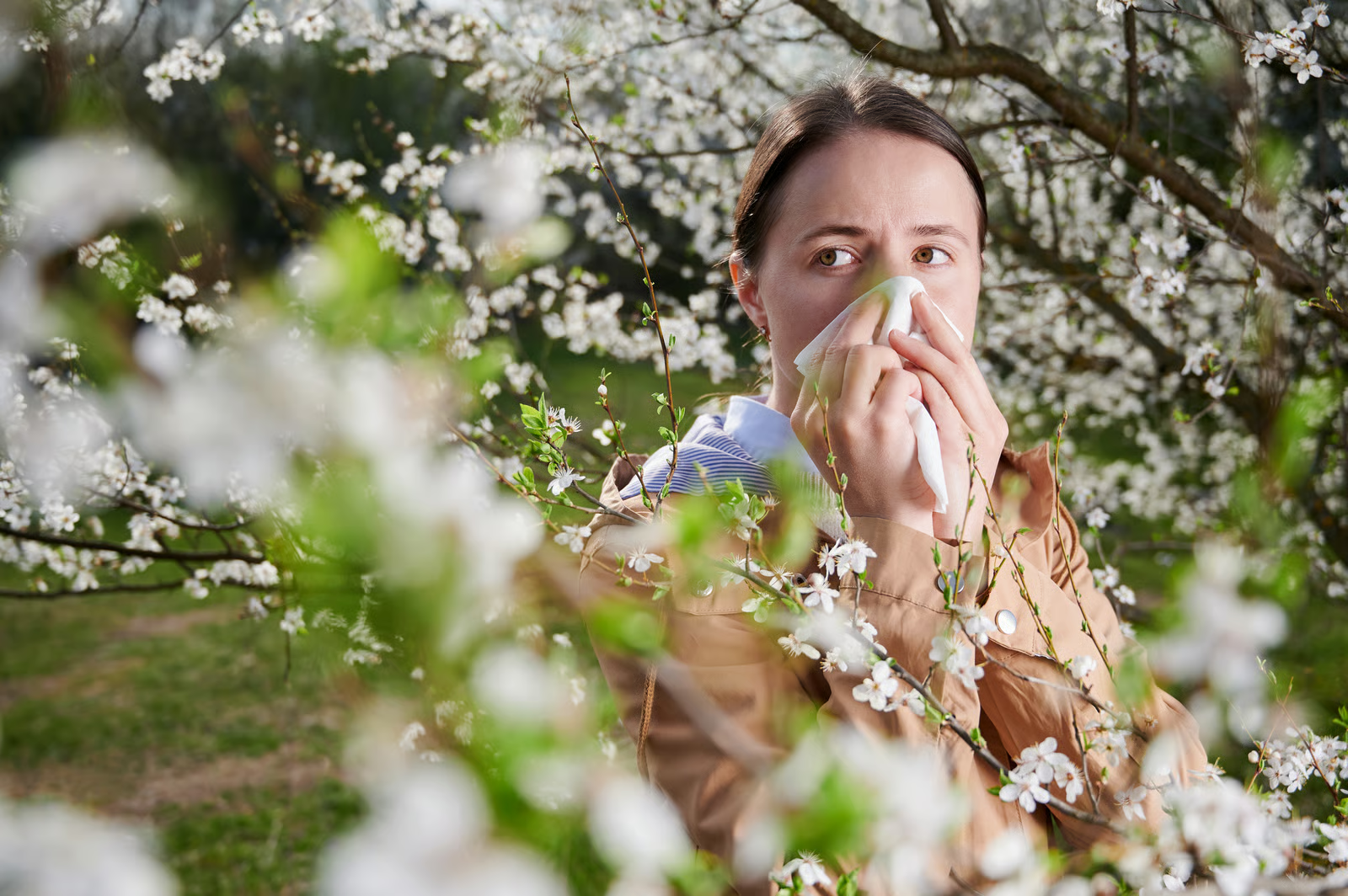
- Viral Upper Respiratory Tract Infections: These are the most common starting point. Rhinoviruses, adenoviruses, influenza viruses, and coronaviruses cause the initial acute viral rhinosinusitis—the common cold—temporarily impairing mucociliary clearance.
- Secondary Bacterial Infection: When viral obstruction persists, pathogenic bacteria can proliferate. The organisms most often responsible for acute bacterial sinusitis are Streptococcus pneumoniae, Haemophilus influenzae, and Moraxella catarrhalis. Anaerobic bacteria, Staphylococcus aureus, and Pseudomonas aeruginosa are frequently found in chronic sinusitis.
- Allergic Rhinitis and Chronic Nasal Inflammation: Seasonal or perennial allergic rhinitis is one of the strongest predisposing factors. An allergic response to pollen, mites, molds, and animal dander causes chronic swelling of the nasal mucosa, excessive histamine and leukotriene release, and narrowing of the sinonasal ostia, leaving allergic patients highly susceptible to recurrent bacterial infections.
- Anatomical Abnormalities of the Nasal Cavity: Mechanical obstructions that interfere with normal airflow and sinus drainage:
- Deviated Nasal Septum: A congenital or post-traumatic septal deviation narrows one or both nasal passages, exerts mechanical pressure, and interferes with proper ventilation of the maxillary sinuses.
- Nasal Turbinate Hypertrophy: Persistent enlargement of the inferior and middle turbinates obstructs the nasal valve and the frontal or maxillary sinus ostium.
- Nasal Polyps (Sinusitis with Nasal Polyps): Benign, soft, grape-like outgrowths of inflamed mucosa develop within the ethmoid air cells and sinuses, completely obstructing the nasal cavity and causing persistent, treatment-resistant chronic sinusitis and anosmia.
- Concha Bullosa: An anatomical variant in which the middle turbinate contains air and becomes enlarged, obstructing the drainage pathway in the middle meatus.
- Odontogenic Sinusitis: This accounts for approximately 10% to 20% of unilateral sinusitis in adults and results from the close anatomical relationship between the roots of the upper posterior teeth (molars and premolars) and the floor of the maxillary sinus. A neglected dental infection, periodontal abscess, failed endodontic treatment, tooth extraction causing an oroantral communication (fistula), or a complication of a sinus-lift procedure for dental-implant placement can carry anaerobic microorganisms directly into the sinus, causing severe, extremely foul-smelling purulent maxillary sinusitis.
- Fungal Sinusitis: This often develops in patients with a history of endodontic dental materials, in whom a benign fungal ball (fungus ball / aspergilloma) forms, or in patients with allergic fungal rhinosinusitis (AFRS), who present with thick, «mud-like» mucus and nasal polyps.
- Environmental, Systemic, and Immune Factors: Active and passive smoking, which damages mucosal cilia; air pollution; abrupt changes in temperature and humidity; swimming in heavily chlorinated pools; diving-related barotrauma; laryngopharyngeal reflux (LPR); and systemic disorders such as cystic fibrosis, Kartagener syndrome (primary ciliary dyskinesia), and immunodeficiency.
Types and Classification of Sinusitis
Medical science and international guidelines, including EPOS (European Position Paper on Rhinosinusitis and Nasal Polyps), classify sinusitis according to symptom duration, cause, and the presence or absence of nasal polyps:

- 1. Acute Rhinosinusitis (ARS): Inflammation lasts less than 12 weeks—usually 7 to 14 days—and, after treatment is complete, the mucosa returns fully to normal function without permanent damage. It is subdivided into:
- Acute Viral Rhinosinusitis (Common Cold): Symptoms peak during the first 3 days and resolve spontaneously by the end of the first week.
- Acute Postviral Rhinosinusitis: Nasal symptoms persist for more than 10 days without improvement or become noticeably worse after initial improvement around day 5, a pattern known as «double sickening.»
- Acute Bacterial Rhinosinusitis (ABRS): This accounts for only 2% to 5% of acute rhinosinusitis and is diagnosed when the patient has at least three of the following: purulent, thick, yellow-green nasal discharge occurring unilaterally or bilaterally; severe, localized facial pain or pressure over the sinuses or teeth, clearly more pronounced on one side; fever above 38°C; elevated inflammatory markers in the blood (CRP, ESR); and worsening symptoms («double sickening»).
- 2. Chronic Rhinosinusitis (CRS): Inflammatory symptoms—congestion, discharge, pressure, and reduced sense of smell—are continuous and persist for more than 12 weeks (3 months or longer), without complete recovery. It is divided into two major subtypes that require fundamentally different treatment approaches:
- Chronic Rhinosinusitis WITHOUT Nasal Polyps (CRSsNP): This is frequently associated with chronic bacterial infection, biofilms, allergic rhinitis, or mechanical anatomical obstruction such as septal deviation, turbinate hypertrophy, or concha bullosa.
- Chronic Rhinosinusitis WITH Nasal Polyps (CRSwNP): This is a complex, severe immune-mediated inflammatory disease—often type 2 inflammation with eosinophilia—in which large nasal polyps fill the nose and sinuses. It frequently coexists with bronchial asthma and intolerance to aspirin and nonsteroidal anti-inflammatory drugs (Samter's triad / AERD).
- 3. Recurrent Acute Rhinosinusitis: The patient experiences 4 or more distinct acute episodes of rhinosinusitis within one calendar year, but symptoms resolve completely between episodes and the nose is entirely disease-free. A detailed ENT and immunologic assessment is required to identify an underlying anatomical or allergic factor.
- 4. Subacute Sinusitis: An intermediate phase in which the infection lasts 4 to 12 weeks.
Clinical Presentation, Symptoms, and Differential Diagnosis
Sinusitis produces a broad, complex range of symptoms that can significantly affect the patient's respiratory, neurological, sensory, and physical health. In routine clinical practice, symptoms are divided into Major (Primary) and Minor (Secondary) categories:

Major Symptoms of Sinusitis:
- Nasal Congestion and Obstruction (a «Blocked Nose»): Difficulty or complete inability to breathe through one or both sides of the nose forces the patient to breathe through the mouth, causing dry mouth and snoring.
- Purulent Nasal and Postnasal Discharge: Thick yellow, green, brown, or grayish mucus may drain from the nostrils (anterior rhinorrhea) or—very commonly—continuously drain down the back of the throat and nasopharynx (postnasal drip). The patient feels a persistent need to clear the throat.
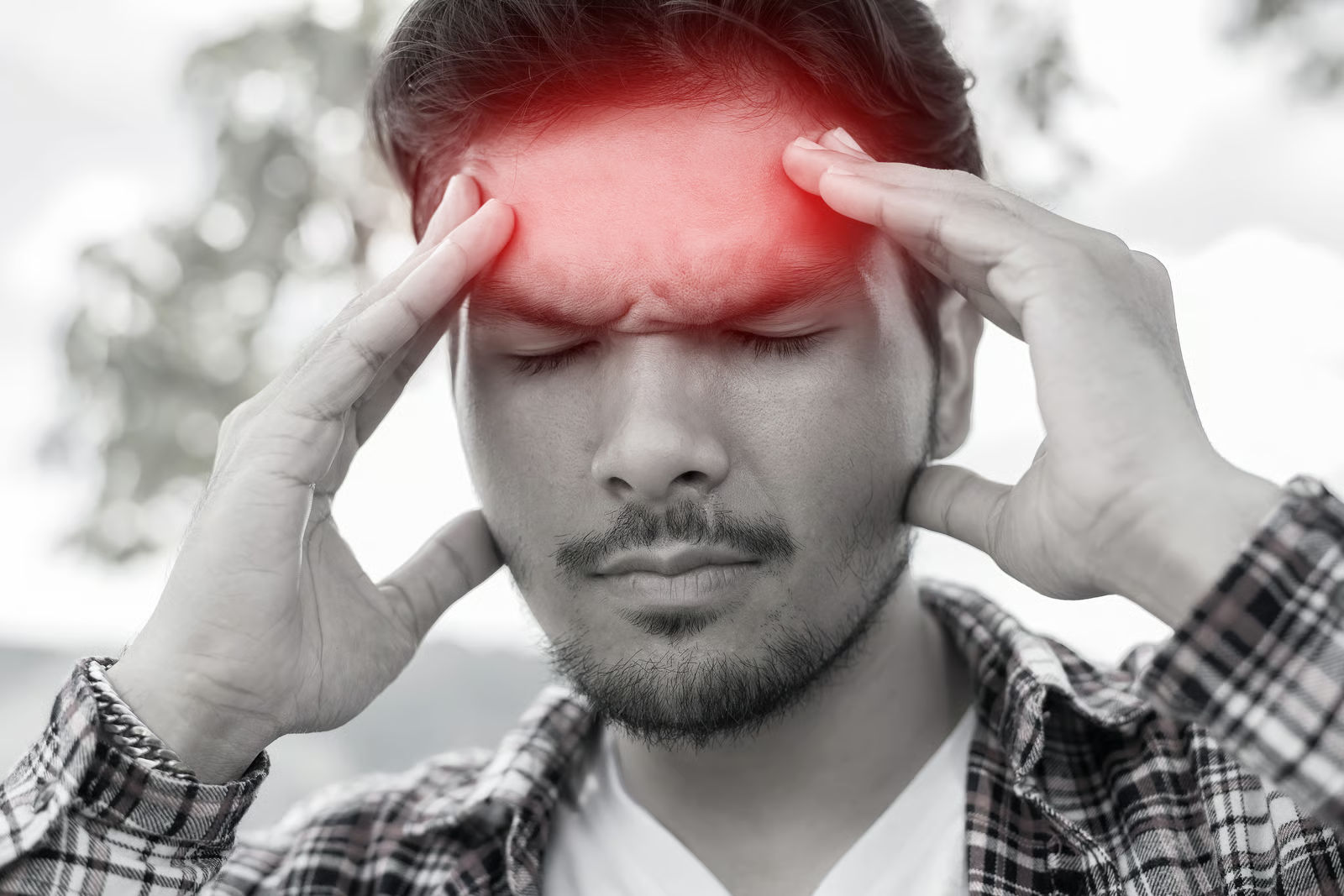
Facial Pain, Pressure, Heaviness, or Tightness: The location depends on the affected sinus: beneath the eyes and in the cheeks (maxillary sinusitis), in the forehead and between the eyebrows (frontal sinusitis), at the bridge of the nose and inner corners of the eyes (ethmoid sinusitis), or deep within the skull, at the top of the head and in the occipital region (sphenoid sinusitis).
A key clinical feature is that sinus pain becomes markedly worse when the patient bends the head forward, lies down, lifts weights, or when pressure is applied over the cheeks or forehead.
- Disturbances of Smell and Taste: Reduced smell (hyposmia), complete loss of smell (anosmia), or distorted smell, together with an unpleasant metallic or «purulent» taste (dysgeusia), due to swelling in the olfactory cleft or the presence of polyps.
Minor and Associated Symptoms:
- Frontal or Occipital Headache: A headache that may mimic tension-type headache or migraine.
- Toothache and Dental Sensitivity: Pain and pressure radiating to the upper premolars and molars.
- Persistent Productive or Dry Cough: This is particularly likely at night and in the early morning because postnasal mucus irritates the larynx and vocal folds.
- Bad Breath (Halitosis): Caused by stagnant purulent secretions and anaerobic bacterial growth.
- Ear Fullness, Blockage, and Pain: Posterior nasal inflammation obstructs the Eustachian tube, causing dysfunction, a sensation of being «underwater,» tinnitus, dizziness, or otitis media with effusion.
- Systemic Malaise, Easy Fatigability, Low-Grade Fever or Fever, and Insomnia.
Differential Diagnosis: Sinusitis, Migraine, a Viral Cold, or Allergy?
One of the most common diagnostic errors among the general public is confusing sinusitis with other conditions. «EViasis» uses clear criteria for appropriate clinical differentiation:
Sinusitis versus Migraine / Headache: A very large proportion of patients who diagnose themselves with «sinusitis» because of pain in the forehead and cheeks actually have Migraine or a Cervicogenic Headache affecting the trigeminal nerve. True bacterial sinusitis is accompanied by purulent, colored yellow-green nasal discharge and nasal obstruction, and the pain worsens on bending forward.
If discharge is absent or completely clear and the pain is pulsatile with photophobia or nausea, Migraine is more likely.
- Sinusitis versus Allergic Rhinitis: Allergic rhinitis causes nasal congestion, intense itching of the nose, palate, and eyes, repeated bouts of sneezing, and exclusively watery, clear, transparent nasal discharge (rhinorrhea). It does not cause purulent, thick yellow-green mucus or severe facial or sinus pain.
Serious and Dangerous Complications of Sinusitis (Red Flags—When Urgent Hospital Assessment Is Required)
The paranasal sinuses are separated from the brain, meninges, optic nerve, and orbits by extremely thin bony walls, such as the lamina papyracea of the ethmoid bone, and share a rich network of venous anastomoses. Neglected, aggressive, or treatment-resistant acute bacterial sinusitis can breach these delicate boundaries and cause severe complications that threaten vision and life.
Any of the following warning symptoms (Red Flags) requires immediate emergency transfer to hospital for intravenous antibiotic treatment and urgent surgical drainage:
Ocular and Orbital Complications (60%–70% of complications):
- Redness, inflammation, and severe swelling around the eye and eyelids (preseptal or postseptal orbital cellulitis).
- Proptosis: The eye protrudes forward.
- Ophthalmoplegia and Pain on Eye Movement: Inability to move the eye in certain directions.
- Diplopia (double vision) or sudden deterioration and loss of vision due to optic-nerve compression—a medical emergency that can cause permanent blindness within hours.
Intracranial Complications (15%–20% of complications):
- Epidural or Subdural Empyema, Meningitis, Encephalitis, or Brain Abscess. These present with a severe, unbearable headache that progressively worsens, neck stiffness, very high fever, projectile vomiting, lethargy, confusion, seizures, or neurological deficits.
- Cavernous Sinus Thrombosis: An extremely dangerous complication involving both eyes, sepsis, and coma.
Osseous Complications:
- Frontal-Bone Osteomyelitis (Pott's Puffy Tumor): A firm, inflamed, swollen mass appears on the patient's forehead because purulent frontal sinusitis has eroded the bone.
Advanced Diagnostic Approach and ENT Assessment at «EViasis»
At the «EViasis» Center for Otorhinolaryngology, Neurotology & Medical Acupuncture in Marousi, sinusitis is not diagnosed through superficial assumptions. We follow a comprehensive, evidence-based clinical, endoscopic, and laboratory protocol using advanced diagnostic equipment to identify the source of inflammation and the patient's individual anatomy with precision:
- 1. Detailed ENT History: The physician documents symptom duration (acute versus chronic), the exact nature of any discharge, pain and malodor, previous ENT or dental procedures, a history of allergy, asthma, and aspirin intolerance, and previous use of antibiotics and nasal decongestant sprays.
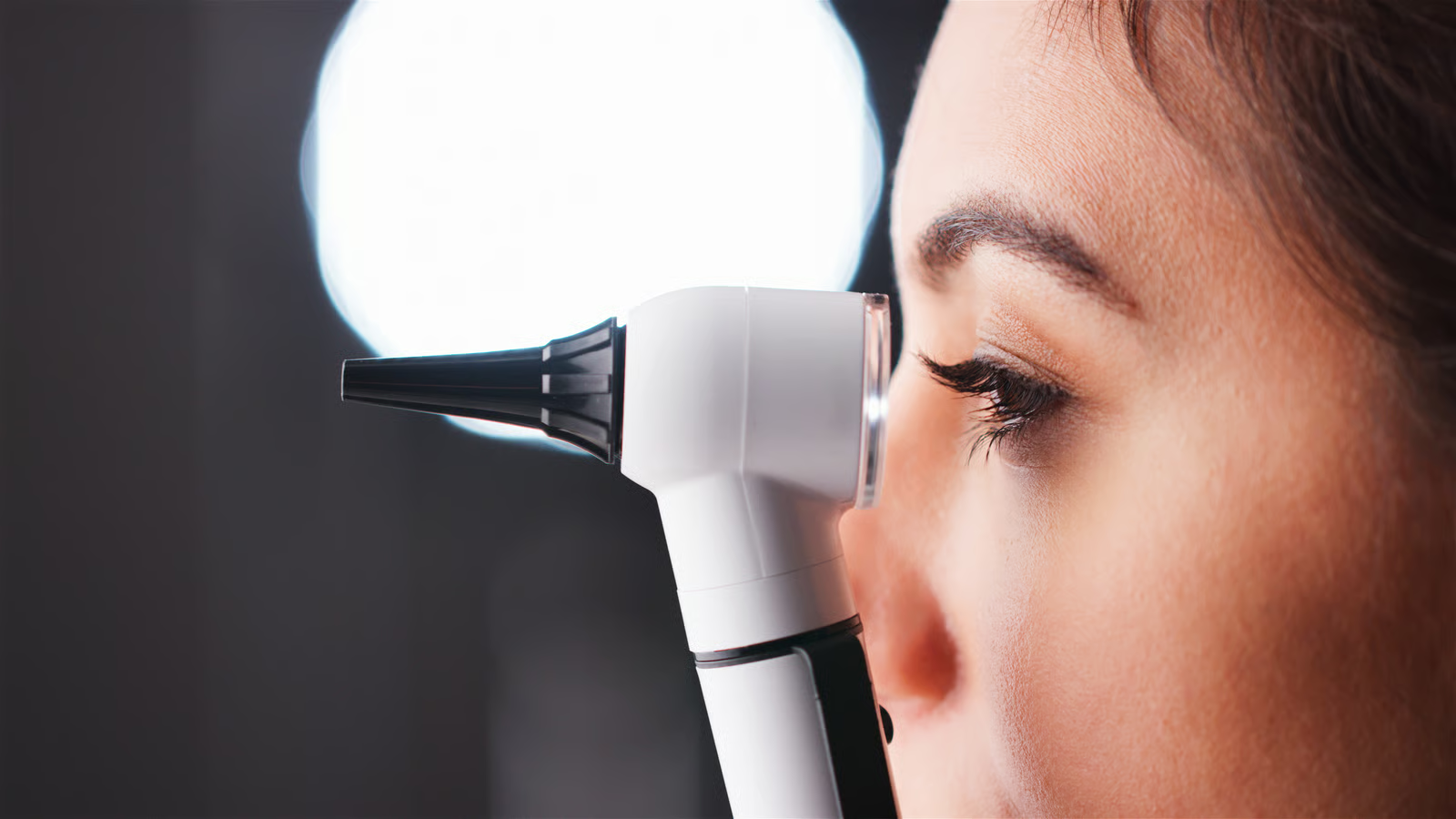
- 2. Anterior Rhinoscopy and Oropharyngeal Examination: The visible portion of the nasal cavity and the throat are examined for purulent postnasal discharge on the posterior pharyngeal wall.
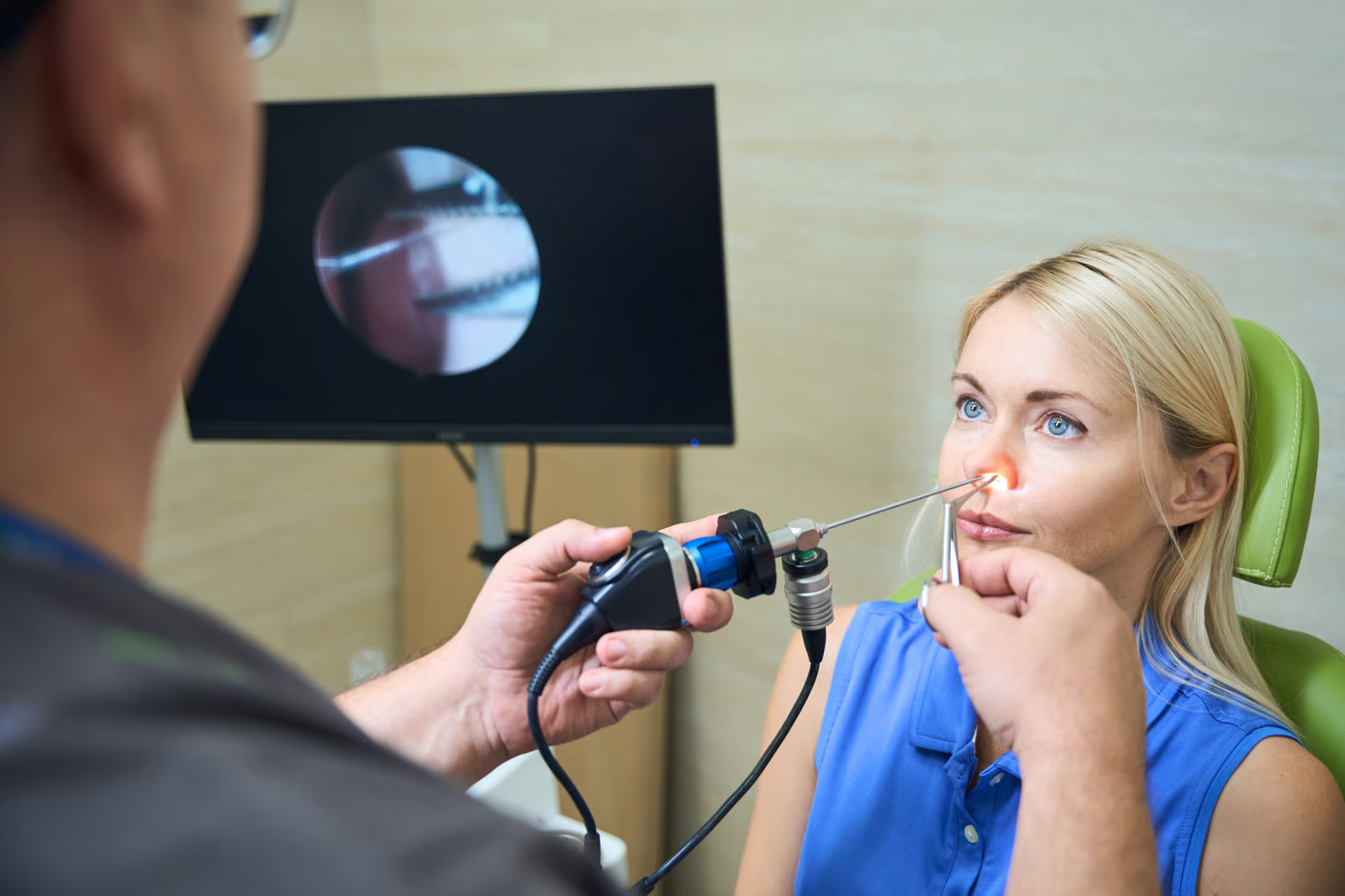
- 3. High-Definition Endoscopic Examination of the Nose, Paranasal Sinuses, and Nasopharynx (HD Endoscopy): Diagnostic nasal endoscopy is the gold standard in modern ENT diagnosis. Using 0°, 30°, or 45° rigid endoscopes and flexible nasolaryngoscopes equipped with a high-definition camera, the physician painlessly examines the innermost and deepest areas of the nasal cavity within minutes at the clinic:
- The middle meatus, where the maxillary and frontal sinuses and anterior ethmoid air cells drain, is inspected with millimeter precision for purulent mucus, nasal polyps, edema, or biofilms.
- Septal deviation, turbinate hypertrophy, and anatomical blockages are assessed.
- The nasopharynx and Eustachian tubes are examined for adenoids in children or cysts.
- An endoscopically guided nasal swab is taken directly from the purulent focus in the middle meatus using a specialized swab under direct vision. Culture identifies the causative bacterium or fungus, and antimicrobial-susceptibility testing guides precise, targeted antibiotic treatment while avoiding blind, unnecessary polypharmacy.
4. Advanced Imaging (Computed Tomography of the Paranasal Sinuses—Sinus CT): Conventional sinus radiographs are no longer used in modern diagnosis because of their extremely low resolution. When sinusitis persists, recurs, resists medication, or an operative intervention is being planned, thin-slice, high-resolution CT of the paranasal sinuses is recommended in three planes (axial, coronal, and sagittal).
CT provides the patient's "anatomical map": it demonstrates the precise extent of opacification and polyps, mucosal thickness, patency of the ostiomeatal complex, the presence of a fungal ball, and anatomical variants such as olfactory-cleft depth and proximity of the optic nerve. Magnetic resonance imaging (MRI) is performed when a tumor or intracranial complication is suspected.
- 5. Complete Audiological and Middle-Ear Assessment: Pure-tone and speech audiometry are performed in a soundproof booth, together with tympanometry, to assess hearing and detect otitis media with effusion caused by sinonasal inflammation.
- 6. Specialist Allergy and Immunology Assessment: Skin-prick testing or serum allergen-specific immunoglobulin testing (RAST / IgE) is performed to identify allergens driving chronic sinusitis.
Treatment: Conservative, Medical, and Holistic Management at «EViasis»
Sinusitis treatment at the «EViasis» clinic in Marousi is individualized and aims to restore ventilation, drain purulent fluid, eradicate bacterial infection, and reduce swelling through a combination of modern pharmacotherapy, local hygiene, and holistic methods:

1. Conservative Medical & Topical Treatment (The «Gold Standard» for Acute Sinusitis)
- Systemic Antibiotic Therapy (Only for Documented Bacterial Infection): Antibiotics have no role whatsoever in viral rhinosinusitis. When sinusitis is demonstrably bacterial, based on clinical findings or culture, targeted antibiotic treatment is prescribed:
- First-Line Treatment: Amoxicillin/clavulanic acid (Augmentin, Amoxil-Clav) at an adequate dose for 10 to 14 days, to ensure complete eradication of infection within the sinus and prevent the emergence of resistant strains.
- Alternatives for Penicillin Allergy: Second- or third-generation cephalosporins (cefuroxime—Zinnat; cefpodoxime), respiratory fluoroquinolones (levofloxacin—Tavanic; moxifloxacin—Avelox), or clindamycin/clarithromycin may be prescribed.
Topical and Systemic Corticosteroids (Cortisone):
- Intranasal Corticosteroid Sprays: Mometasone (Nasonex), fluticasone (Avamys/Flixonase), or budesonide. These are a cornerstone in both acute and chronic sinusitis. They have a powerful anti-inflammatory effect directly on the nasal mucosa, reduce swelling around the ostia, and open the maxillary sinuses without systemic absorption. They should be used daily for weeks or months.
- Oral Corticosteroids: In severe acute inflammation, marked swelling, intense pain, or large nasal polyps, a short, tapering 5- to 7-day course of an oral corticosteroid such as prednisolone or methylprednisolone (Medrol) may be prescribed, achieving «medical decongestion.»
- Nasal Irrigation with Isotonic or Hypertonic Saline: Regular, high-volume irrigation with a lukewarm saline solution using a dedicated irrigation device or bottle is the most valuable daily practice. It mechanically washes away mucus, pus, microorganisms, biofilms, and allergens, clears the ostia, and hydrates the cilia.
- Nasal Decongestant Sprays (Oxymetazoline, Xylometazoline—Otrivin, Ronal, Dexa-Rhinaspray): These produce rapid vasoconstriction and relieve nasal obstruction within minutes. CRITICAL MEDICAL WARNING: Their use is strictly limited to no more than 5 to 7 consecutive days. Prolonged use causes Rhinitis Medicamentosa: the mucosa becomes dependent, damaged, and persistently swollen as soon as the spray's effect wears off, trapping the patient in a cycle of dependence.
- Mucolytics and Secretolytics: Acetylcysteine or ambroxol may be used to thin thick secretions.
- Antihistamines (Only When Allergy Is Present): These are avoided in purely infectious sinusitis because they dry and thicken mucus, making it more difficult to clear.
2. Medical and Auricular Acupuncture for Sinusitis at «EViasis»
Medical Acupuncture, performed by certified Medical Acupuncture physician and ENT surgeon Dr. Christina Efthymiou, is a valuable natural adjunct for acute sinusitis and especially for chronic and allergic sinusitis, reducing reliance on medication:
- Local Decongestant and Vasomotor Effect: Fine needles placed at defined anatomical points around the nose, forehead, and maxillary sinuses—such as LI20 (Yingxiang), Yintang, BL2, and ST2—and on the upper limbs regulate the sympathetic nervous system and induce immediate vasodilation and microcirculatory homeostasis. This rapidly reduces inflammatory swelling of the nasal mucosa and naturally opens the drainage ostia.
- Anti-inflammatory and Immunomodulatory Regulation: Acupuncture reduces local inflammatory mediators, including substance P, CGRP, histamine, and leukotrienes, and regulates T lymphocytes, reducing the allergic and inflammatory hyperreactivity that sustains chronic sinusitis.
- Reduction of Pain and Headache: Through endorphin release in the central nervous system, it provides prompt, potent analgesia for the facial and frontal pain of sinusitis.
- Auricular Acupuncture: Stimulation of reflex points on the ear supports immune defenses, reduces stress—which aggravates infection—and regulates nasal function.
3. Low-Level Laser Photobiomodulation Therapy (EY-LLLT)
At the «EViasis» clinic, we apply innovative, painless low-level laser photobiomodulation therapy (EY-LLLT—Low-Level Laser Therapy). Applying specialized laser light directly over the maxillary and frontal sinuses and within the nasal passages offers:
- Mitochondrial Biostimulation (ATP): It increases cellular energy, accelerating regeneration and healing of damaged ciliated mucosa.
- Reduced Swelling and Anti-inflammatory Action: It suppresses COX-2 enzymes and inflammatory prostaglandins, promoting rapid relief of nasal obstruction and sinus drainage without adverse effects.
- Analgesic Effect: It promptly relieves the sensation of facial pressure and pain.
4. Biologic Therapies (Monoclonal Antibodies for Chronic Rhinosinusitis with Nasal Polyps)
For patients with severe, treatment-resistant Chronic Rhinosinusitis with Nasal Polyps (CRSwNP) and bronchial asthma, modern medicine offers Biologic Therapies with Monoclonal Antibodies such as dupilumab, omalizumab, and mepolizumab. These injectable antibodies selectively target and inhibit mediators of type 2 inflammation, including interleukin-4, interleukin-13, interleukin-5, and IgE, producing marked shrinkage or resolution of nasal polyps, restoration of smell, and freer breathing, often avoiding the need for repeated operations.
Prevention, Dietary Guidance, and Quality-of-Life Advice
Sinusitis prevention and maintenance of unobstructed nasal breathing depend on daily hygiene practices, appropriate nutrition, and environmental control:

Daily Nasal Hygiene and Hydration
- Daily Nasal Irrigation: Make nasal irrigation with a lukewarm isotonic saline solution part of your daily oral and personal hygiene, like brushing your teeth. It removes pollutants and mucus each day.
- Proper Sneezing and Nose-Blowing Technique: Never blow the nose forcefully through both nostrils at once, as high pressure pushes mucus and microorganisms deep into the sinuses and ears. Blow gently, one nostril at a time, while holding the other closed.
- Adequate Hydration: Drink at least 2 to 2.5 liters of water daily. Hydration thins mucus and makes it much easier to drain. Avoid excessive caffeine and alcohol, which cause dehydration and vasodilation.
Environmental Control and Humidity
- Indoor Humidity Control: Dry air from air conditioners and heating dries, injures, and impairs the cilia of the nasal mucosa. Use an indoor humidifier, maintaining humidity at 40%–50%, or inhale steam such as chamomile or eucalyptus vapor.
- Avoidance of Smoking and Pollution: Stop smoking and vaping, which cause chronic toxic impairment of the nasal cilia. Avoid places with heavy air pollution or chemical fumes.
- Allergen Control at Home and Work: If you have allergies, wash sheets and pillowcases at high temperatures (above 60°C) to eliminate dust mites, use dedicated allergen-proof covers, avoid fitted carpets and rugs, and keep the air clean with ionizers or HEPA filters.
Dietary Guidance to Support the Immune System
- Anti-inflammatory Diet: Eat plenty of fresh fruit and vegetables rich in vitamin C—such as citrus fruit, kiwifruit, peppers, and broccoli—which support leukocyte defenses and reduce cold symptoms.
- Adequate Vitamin D3 and Zinc Intake: Vitamin D3 regulates the immune response of the respiratory mucosa, while zinc, found in legumes, nuts, and seafood, inhibits rhinovirus replication.
- Probiotics: Foods rich in probiotics, such as live-culture yogurt and kefir, or probiotic supplements help maintain a healthy gut and nasal microbiome, protecting against opportunistic bacterial and fungal overgrowth, particularly after antibiotics.
- Avoid Foods That Increase Mucus and Inflammation: During acute sinusitis, reduce processed dairy products, excess sugar, and fried foods, as these promote thick, sticky mucus and systemic inflammation.
About the Doctor & the Specialist «EViasis» Medical Center
The «EViasis» Center for Otorhinolaryngology, Neurotology & Medical Acupuncture (ent.gr), based in Marousi, Attica, is a modern specialist referral center for accurate diagnosis, endoscopic evaluation, and comprehensive management of diseases of the nose and paranasal sinuses in adults and children.
The Medical Director of «EViasis,» Dr. Christina Efthymiou, is an ENT surgeon, specialist neurotologist, and certified Medical Acupuncture physician. She has extensive clinical, hospital, surgical, and research experience at leading medical centers in Greece and abroad, with in-depth specialist training in allergic rhinosinusitis and holistic regulation of the upper respiratory tract through Medical Acupuncture and LLLT laser therapy.

The philosophy of the «EViasis» clinic places each patient and their individual needs at the center of care. Dr. Christina Efthymiou evaluates patients with sinusitis without resorting to superficial assessments or unnecessary antibiotics. She devotes the clinical time needed for a detailed history, examination, and painless high-resolution nasal endoscopy at the clinic. Her ability to combine modern diagnostic and endoscopic techniques with individualized Medical Acupuncture and EY-LLLT laser protocols is intended to provide a definitive, safe solution for conditions affecting the nose and maxillary sinuses.
Why Choose «EViasis» for Sinusitis Care in Marousi
- Specialist ENT and Rhinologic Assessment: In-depth investigation and differential diagnosis of bacterial sinusitis, allergic rhinitis, migraine, and nasal polyps.
- State-of-the-Art HD Endoscopic and Diagnostic Equipment: Painless endoscopic assessment of the nose, paranasal sinuses, and nasopharynx displayed in real time on the clinic monitor.
- Individualized Holistic Treatment Plan: A combination of rational pharmacotherapy, Medical Acupuncture, and EY-LLLT laser photobiomodulation for decongestion and analgesia without adverse effects.
- Comprehensive, Continuous Medical Support: Monitoring throughout treatment and postoperative recovery until nasal breathing and well-being have been fully restored.
Access, Contact, and Patient Services
The «EViasis» Medical Center is in a modern, comfortable, and easily accessible location in Marousi, Attica. It serves patients from Marousi and throughout Athens' Northern Suburbs—including Kifisia, Chalandri, Vrilissia, Melissia, Pefki, Lykovrysi, Psychiko, Filothei, Neo Iraklio, and Agia Paraskevi—as well as from across the Attica basin. For detailed information about the available Rhinology, Otorhinolaryngology, and Medical Acupuncture services, or to schedule a personal appointment with Dr. Christina Efthymiou, visit the clinic's official website at https://ent.gr/en/.
Extensive Frequently Asked Questions (FAQ)
The following detailed medical guide answers 13 of the questions patients ask most often and addresses common concerns about sinusitis, rhinosinusitis, and its modern treatment at the «EViasis» clinic.

1. What is the difference between a simple viral cold and bacterial sinusitis?
A simple viral cold (viral rhinosinusitis) causes nasal congestion, clear, watery or slightly whitish discharge, and mild pressure. Symptoms peak during the first 2–3 days and then gradually improve and resolve spontaneously within 7 to 10 days. Bacterial sinusitis, by contrast, is diagnosed when symptoms persist without any improvement for more than 10 days or clearly worsen after an initial improvement around day 5, a pattern known as «double sickening.» It presents with thick, purulent yellow-green discharge; severe localized facial pain or pressure, particularly on one side, that worsens on bending forward; high fever above 38°C; and marked malaise.
2. Should I always take an antibiotic when my nose is blocked and my maxillary sinuses hurt?
No—definitely not. Between 95% and 98% of acute sinusitis cases are viral. Antibiotics have no effect whatsoever on viruses, and taking them unnecessarily does not shorten the illness. Instead, it damages the healthy gut microbiome, causes adverse effects, and promotes dangerous antimicrobial resistance. Antibiotic treatment should be taken only after an ENT medical assessment and only when strict clinical criteria for bacterial sinusitis are met or an endoscopically guided nasal-swab culture confirms the diagnosis.
3. Why does sinusitis pain become dramatically worse when I bend my head forward?
When inflammation and sinusitis are present, the air-filled paranasal sinuses are obstructed and filled with purulent fluid and mucus, while the lining mucosa is swollen. When the patient bends the head forward or lies down, gravity redistributes the heavier purulent fluid within the cavity, while vascular and hydrostatic pressure in the blood vessels of the head also rises.
This abrupt increase in pressure within the sinus strongly stimulates the sensitive trigeminal pain fibers lining the sinus walls, sharply intensifying heaviness, tightness, and pain in the face, maxillary sinuses, and forehead.
4. Can a damaged tooth or dental procedure cause sinusitis?
Absolutely. This is Odontogenic Sinusitis, which accounts for 10%–20% of unilateral sinusitis in adults. It occurs because the roots of the upper posterior teeth—premolars and molars—are in direct contact with or project into the floor of the maxillary sinus. A neglected dental infection or abscess, failed root-canal treatment, tooth extraction creating an opening into the sinus (an oroantral fistula), or dental-implant placement with a sinus-lift procedure can carry oral microorganisms into the sinus.
The result is severe, extremely foul-smelling, purulent unilateral sinusitis that cannot resolve unless the dental source is treated at the same time.
5. What are nasal polyps, how do they cause chronic sinusitis, and how are they treated?
Nasal polyps (Chronic Rhinosinusitis with Nasal Polyps—CRSwNP) are benign, soft, grape-like outgrowths of the nasal and paranasal mucosa that resemble deflated grapes. They develop because of severe, chronic, immune-mediated allergic or eosinophilic inflammation of the mucosa. They grow within the ethmoid air cells and sinuses, hang into the nasal cavity, completely block the nostrils, prevent sinus drainage, and cause persistent nasal congestion, chronic purulent sinusitis, and complete loss of smell (anosmia).
Treatment is stepwise, beginning with intranasal corticosteroid sprays and courses of oral corticosteroids. Modern medicine also uses Biologic Therapies with Monoclonal Antibodies that shrink polyps without an operation.
6. What is the correct guidance for using nasal decongestant sprays such as Otrivin or Ronal?
Nasal decongestant sprays containing oxymetazoline or xylometazoline are highly effective for immediate, rapid relief of nasal obstruction within minutes because they cause potent vasoconstriction. CRITICAL MEDICAL GUIDANCE: Their use is strictly limited to no more than 5 to 7 consecutive days. If they are used for longer, the nasal mucosa develops tolerance, dependence, and damage.
As soon as the spray's effect wears off, the nasal blood vessels dilate markedly (rebound congestion), causing Rhinitis Medicamentosa. The patient then has a persistently, severely blocked nose and cannot breathe without using the spray every few hours. For safe long-term decongestion, intranasal corticosteroid sprays and saline irrigation are recommended.
7. How should saline nasal irrigation be performed, and why is it so beneficial?
Nasal irrigation with a lukewarm isotonic or hypertonic saline solution is the most important daily treatment.
- Correct Technique: Use a dedicated irrigation bottle or device with a large volume of fluid (150–250 ml per nostril). Lean your head over the sink and breathe calmly through your open mouth. Place the bottle tip in one nostril and squeeze gently: the fluid will enter through that nostril, rinse the entire nasal cavity, and flow freely out of the opposite nostril.
- Benefits: Irrigation mechanically washes away thick, stagnant mucus, pus, microorganisms, biofilms, and allergens; clears the paranasal-sinus ostia; and hydrates and restores mucociliary clearance without adverse effects.
10. How can Medical and Auricular Acupuncture help treat sinusitis?
At «EViasis,» Medical Director Dr. Christina Efthymiou combines her expertise as an ENT surgeon with her certification in Medical Acupuncture to apply targeted acupuncture protocols for sinusitis:
- Stimulation of specific, mapped points around the nose, face, and forehead—Yingxiang (LI20), Yintang, and ST2—and on the limbs produces local vasodilation and microcirculatory homeostasis, promptly reducing edema and swelling of the nasal mucosa. The nose "opens" naturally, allowing mucus to drain through the sinus ostia without chemical sprays.
- It exerts potent anti-inflammatory and immunomodulatory effects, suppressing allergic reactions and reducing inflammatory mediators such as leukotrienes and histamine.
- Through endorphin release, it promptly relieves facial pain, pressure in the cheeks, and sinus headache.
- Auricular Acupuncture regulates the autonomic nervous system and supports the body's defenses against infection.
11. What is EY-LLLT laser photobiomodulation therapy, and what are its benefits for sinusitis?
Low-level laser photobiomodulation therapy (EY-LLLT—Low-Level Laser Therapy) is a painless, noninvasive photobiological treatment performed at the «EViasis» clinic. Specialized therapeutic laser light is applied externally over the cheeks and forehead and internally within the nasal passages:
- It stimulates cellular mitochondria and increases ATP energy production, accelerating healing of the inflamed, injured nasal mucosa.
- It provides prompt anti-inflammatory, analgesic, and decongestant effects by suppressing inflammatory COX-2 enzymes, reducing swelling around the maxillary sinuses, and markedly relieving facial pain, congestion, and pressure from the first session, without adverse effects.
12. Which dangerous complications of sinusitis require immediate hospital care (Red Flags)?
Sinusitis can become dangerous if bacterial infection breaches the thin bony walls of the sinuses and spreads to the eyes or brain. Seek urgent hospital care immediately if any of the following warning symptoms (Red Flags) occurs:
- Severe swelling (edema) and redness around the eyes and eyelids.
- Proptosis or displacement of the eye.
- Diplopia (double vision), reduced vision, blurred vision, or inability to move the eyes.
- An unbearable, extremely severe headache that progressively worsens, neck stiffness, vomiting, lethargy, confusion, a seizure, or a neurological deficit—signs of meningitis or brain abscess.
- A firm swelling or lump on the forehead (osteomyelitis associated with Pott's puffy tumor).
13. What is the relationship between allergic rhinitis and chronic sinusitis, and how are they treated together?
Allergic rhinitis triggered by pollen, dust mites, molds, or animals causes continuous, chronic allergic inflammation and swelling of the nasal mucosa. This swelling persistently narrows and obstructs the natural ostia of the paranasal sinuses, disrupts normal mucus drainage, and turns the maxillary sinuses into reservoirs for microorganisms.
For this reason, allergic patients very frequently develop recurrent or chronic sinusitis and nasal polyps. Successful treatment requires both conditions to be managed together using daily corticosteroid nasal sprays, allergy-specific antihistamines, regular nasal irrigation, allergen immunotherapy (desensitization), and supportive Medical Acupuncture at «EViasis» to regulate allergic hyperreactivity.
14. Why does sinusitis cause such a severe, persistent cough, especially at night?
The nighttime cough associated with sinusitis is caused by Postnasal Drip Syndrome. Because of nasal blockage and inflammation, abundant, thick, purulent sinus secretions cannot drain through the front of the nose and instead flow continuously down the back of the nasopharynx and throat.
When the patient lies down at night, gravity carries this inflammatory mucus directly over the vocal folds, larynx, and trachea. The mucus irritates respiratory cough receptors and triggers a violent, spasmodic, relentless dry or productive cough that disrupts sleep. Treating the nasal obstruction and performing nasal irrigation in the evening promptly stops this cough.
15. How can I book an appointment for sinusitis assessment and treatment at «EViasis» in Marousi?
Scheduling your personal appointment at the «EViasis» Medical Center in Marousi is simple, prompt, and convenient:
- By Telephone: Contact the reception team at our Marousi clinic during business days and hours to schedule your visit with Medical Director, ENT surgeon and neurotologist, and certified Medical Acupuncture physician Dr. Christina Efthymiou.
- Online: Visit our official website at https://ent.gr/en/, where you can complete the contact / online appointment form and find detailed information about all available Otorhinolaryngology, Rhinology, Endoscopic Assessment, Medical Acupuncture, and EY-LLLT laser treatment services for the prompt management of sinusitis.
Summary: Comprehensive Rhinologic Care and Recovery at «EViasis»
Acute, chronic, recurrent, and allergic sinusitis are not insurmountable conditions that patients must simply endure while depending on chemical decongestant sprays and endless, unnecessary courses of antibiotics. They are specific sinonasal disorders with clear, identifiable anatomical and inflammatory causes that require specialist assessment by an ENT surgeon.
At the «EViasis» Center for Otorhinolaryngology, Neurotology & Medical Acupuncture in Marousi, under the medical direction and clinical expertise of Dr. Christina Efthymiou, we combine state-of-the-art high-definition endoscopic assessment and imaging/allergy testing with advanced, evidence-based treatment methods.

Whether care involves rational, targeted medical and topical treatment for acute bacterial sinusitis or meticulous management of treatment-resistant conditions such as Chronic Rhinosinusitis with or without Nasal Polyps, Odontogenic Sinusitis, Allergic Rhinitis, or a Deviated Nasal Septum, we provide a fully personalized treatment plan.
By combining the biostimulatory and analgesic effects of EY-LLLT laser therapy with the holistic, decongestant intervention of Medical Acupuncture, we aim to eradicate inflammation, restore normal ventilation of the paranasal sinuses, and help you return safely and sustainably to unobstructed nasal breathing and a better quality of life.