


Vestibular Migraine
Clinical experience has shown that vestibular migraine can be a chronic problem. Some patients report vertigo most days….

Strengthen your Brain
The Strengthening of your Brain and increasing your Mental Ability and Memory is brought about by the beneficial therapy using Infrared Light.

Acupuncture for preventing migraine attacks
Acupuncture for preventing migraine attacks. Research has often focused on evaluating acupuncture as an option for migraine prevention.

Headaches, Migraines, Cluster Headaches
Headaches are a very common condition that most people will experience many times during their lives. The main symptom of a headache is…

What occurs during a Migraine?
To identify the cause of a migraine, we must backtrack a few days and hours before its onset. Warning signs may be identified, such…

Clinical assessment for Migraines-Headaches
Clinical Assessment for Migraines and Headaches. The extent of the exam depends on many factors, including the initial problem…

Migraines/ Headaches:Treated with Acupuncture
Many Migraines/ Headaches, are very painful and difficult to manage. Such headaches are tension headaches, cluster headaches and migraines.

Migraine Associated Vertigo
A vestibular migraine or migraine Associated Vertigo is a problem of the nervous system that causes repeated dizziness in people who have…

Disorders of the Temporomandibular Joint
Fortunately, for those suffering from Temporomandibular Joint Disorders, acupuncture is extremely helpful in relieving the inflammation, pain and tension….
Migraine & Headache Treatment in Marousi | Specialist Diagnosis and Holistic Management of Chronic Headache
Introduction, Definition and Epidemiology: The Neurobiological Nature of Headache and Migraine
Headache, medically termed cephalalgia, and migraine are among the most common, distressing and clinically complex neurological disorders worldwide. The World Health Organization has consistently ranked headache disorders among the leading causes of disability, lost productivity and impaired quality of life. Millions of people experience pain in the head, neck, face or around the eyes and may resort to frequent, unsupervised and potentially harmful use of analgesics.
Sound medical assessment requires these clinical entities to be distinguished clearly: migraine is not simply a “severe headache”, but a multifactorial neurovascular disorder of the brain.
Headache is a broad symptom referring to any pain, heaviness, tension or neuralgic sensation in the head or upper neck. Brain tissue itself has no pain receptors. The pain perceived by the patient arises from activation of nociceptors in the meninges, major intracranial arteries and veins, cranial and cervical nerves, muscles of the head and neck, paranasal sinuses, eyes, teeth and temporomandibular joint.
Migraine, by contrast, is a chronic, recurrent neurological disorder characterised by attacks of moderate-to-severe, often pulsating pain, commonly affecting one side of the head and aggravated by routine physical activity. Attacks are frequently accompanied by autonomic and central nervous system symptoms, including marked nausea, vomiting, sensitivity to light (photophobia), sound (phonophobia) and smells (osmophobia), as well as sensory, visual or vestibular disturbances such as visual aura and vertigo.
Current neurobiology indicates that migraine reflects genetic susceptibility and altered cortical excitability, making the brain vulnerable to particular internal and external triggers.
Pathophysiology: How Migraine Pain and Headache Develop
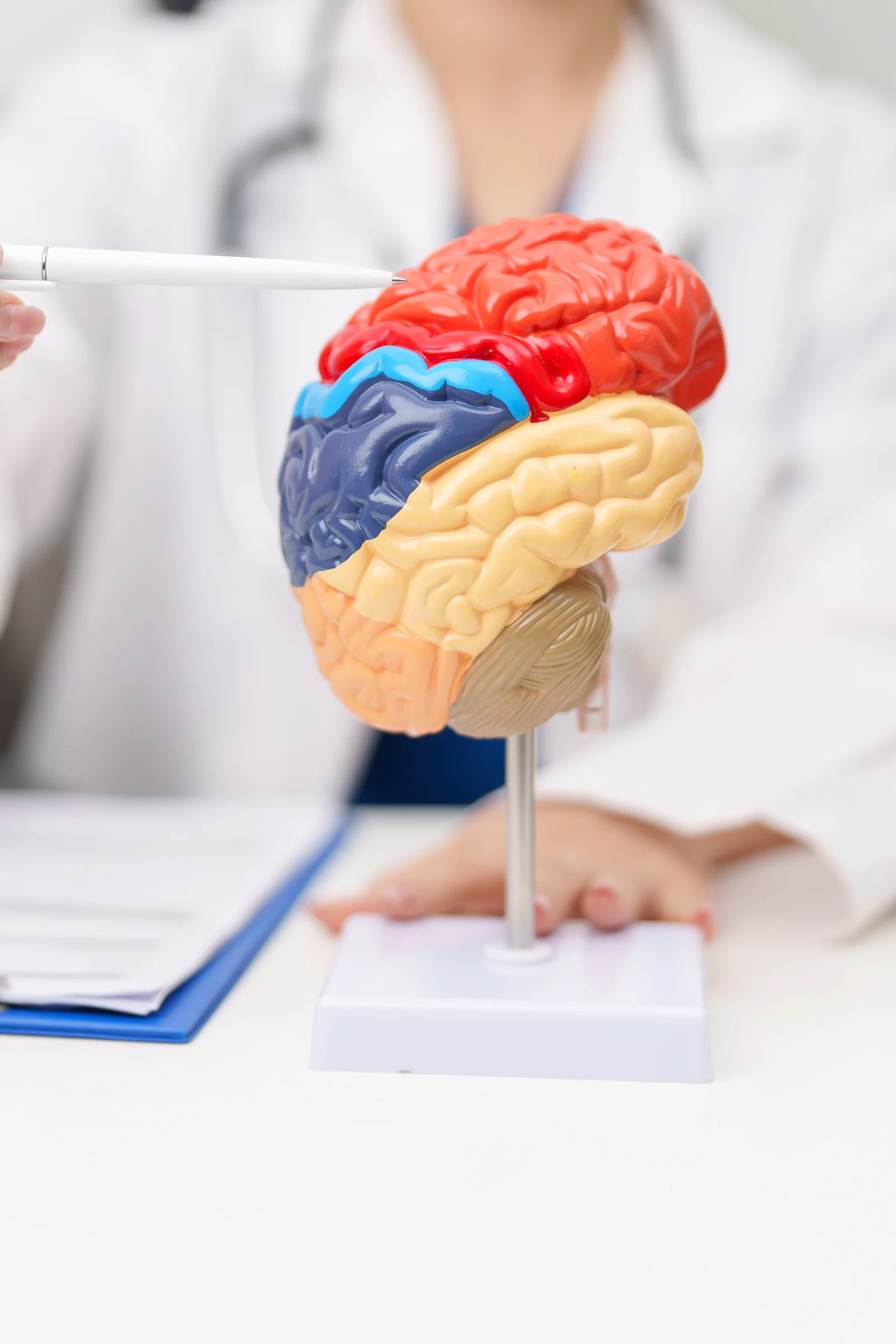
Understanding the pathophysiology of migraine and chronic headache is central to selecting targeted treatment, including non-pharmacological options such as medical acupuncture and low-level laser therapy (LLLT). Research indicates that a migraine attack involves a complex cascade of neurochemical, vascular and electrical events within the central nervous system:
Cortical Spreading Depression (CSD): This phenomenon is considered the electrophysiological basis of migraine aura. It is a slowly propagating wave of intense neuronal depolarisation followed by prolonged suppression of neuronal activity, travelling across the cerebral cortex at approximately 2–5 millimetres per minute. As it moves forwards from the occipital cortex, where visual processing occurs, it produces characteristic visual aura symptoms and can activate trigeminal sensory endings around the meningeal vessels.
Activation of the Trigeminovascular System: The trigeminal nerve is the fifth and largest cranial nerve and supplies sensation to the face, meninges and major cerebral vessels. When trigeminal endings are activated, neurons in the trigeminal ganglion (Gasserian ganglion) and brainstem nuclei become engaged. This activation promotes the release of potent vasoactive and inflammatory neuropeptides at the meninges.
CGRP and Neurogenic Inflammation: Calcitonin gene-related peptide (CGRP), together with substance P and neurokinin A, participates in migraine pain signalling. Release of these peptides around meningeal vessels promotes vasodilatation, increased capillary permeability and local neurogenic inflammatory responses. Activation and sensitisation of trigeminal afferents then transmits the characteristic pulsating pain signal towards the thalamus and sensory cortex.
Peripheral & Central Sensitisation: As a migraine attack continues, meningeal nociceptors may become increasingly responsive (peripheral sensitisation). If pain remains uncontrolled, neurons in the brainstem and thalamus may undergo neuroplastic changes and develop a lower activation threshold (central sensitisation). This can produce allodynia, in which normally non-painful stimuli—such as touching or brushing the hair, wearing glasses or gently touching the facial skin—are experienced as painful.
The Mechanism of Tension-Type Headache and Myofascial Pain: Unlike the predominantly neurovascular mechanisms of migraine, tension-type headache may involve persistent pericranial muscle tenderness and altered central pain processing. Sustained contraction and overload of the paraspinal, suboccipital, trapezius, sternocleidomastoid, masseter and temporalis muscles can impair local circulation and contribute to painful myofascial trigger points, with pain referred towards the temples, forehead and neck in a “tight band” pattern.
Causes, Predisposing Factors and Triggers of Chronic Headache
A migraine attack or headache episode often reflects an interaction between an individual’s genetic predisposition and specific triggers that disturb the homeostatic balance of the central nervous system. Identifying and, where possible, modifying these factors is an important first step in disease control:
Psychological Stress and Emotional Strain: Anxiety, sustained pressure, panic attacks, occupational burnout and even sudden relaxation after a stressful period—the so-called “weekend migraine”—can trigger headache. Stress-related neuroendocrine changes may affect vascular tone, muscle tension and serotonergic pain pathways.

- Sleep Pattern Disturbance: Insomnia, sleep deprivation, irregular sleep caused by shift work and excessive sleep can disrupt hypothalamic circadian rhythms and precipitate migraine or tension-type headache. Obstructive sleep apnoea may also cause prominent morning headache through nocturnal hypoxaemia.
Hormonal Fluctuations in Women: Migraine is approximately three times more common in women than in men. A fall in oestrogen levels shortly before or during menstruation can trigger menstrual migraine. Pregnancy, the postpartum period, perimenopause and menopause, as well as oral contraceptives or hormone replacement therapy, may also influence attack frequency and severity.
- Dietary Triggers and Fasting: Skipping meals or prolonged fasting can cause hypoglycaemia and act as a trigger in susceptible individuals. Particular foods and substances may also be associated with attacks:
- Tyramine: Found in aged hard cheeses, smoked fish, salami and red wine.
- Monosodium Glutamate (MSG): A flavour enhancer used in some prepared foods, stock cubes, snacks, sauces and restaurant dishes.
- Nitrates and Nitrites: Preservatives found in processed meats, bacon and sausages that may promote vasodilatation.
- Aspartame and Artificial Sweeteners: Present in some diet drinks and sugar-free products.
- Caffeine and Alcohol: Excessive coffee or energy-drink intake and alcohol, including red wine or beer, may provoke attacks in some people. Abrupt cessation of a usual daily caffeine intake can also cause withdrawal headache.
- Dehydration: Inadequate fluid intake can reduce plasma volume and contribute to headache.
Environmental, Atmospheric and Visual Stimuli: Sudden changes in weather, falling barometric pressure before rain or a storm, excessive heat, humidity, dry air, bright or flickering light (fluorescent lighting, screens or strobe lights), loud penetrating sounds and strong odours (perfume, cigarette smoke, petrol or cleaning chemicals) may activate the trigeminovascular system in susceptible people.
- Musculoskeletal, Ergonomic and Cervical Disorders: Prolonged poor head and neck posture while using computers or mobile phones (“text neck”), cervical disc disease, cervical spondylosis and temporomandibular joint dysfunction associated with bruxism can contribute to chronic referred myofascial pain.
- ENT and Inflammatory Causes: Allergic rhinitis, persistent rhinorrhoea, a deviated nasal septum with turbinate hypertrophy and, particularly, acute or chronic rhinosinusitis can cause facial pressure and activate nociceptive branches of the trigeminal nerve supplying the nasal and paranasal mucosa.
Types of Headache & Detailed Clinical Features
Accurate identification of the headache type is a fundamental diagnostic step. In modern neurology and at EViasis, classification follows the International Classification of Headache Disorders (ICHD-3), separating primary headaches—in which headache is the disorder itself—from secondary headaches, in which it is a symptom of another underlying systemic, neurological or ENT condition:
Primary Headaches
Migraine Without Aura: This is the most common form of migraine, affecting approximately 70%–80% of people with migraine. It is characterised by recurrent headache attacks lasting 4–72 hours when untreated. Pain is often unilateral and may be felt at the temple, around or behind the eye, or over the forehead.
It is typically pulsating, of moderate-to-severe intensity and aggravated by routine physical activity such as walking or climbing stairs. During an attack, nausea, vomiting, photophobia and phonophobia may lead the patient to seek a dark, quiet room.
Migraine With Aura: This occurs in approximately 20%–30% of people with migraine. Aura consists of transient, fully reversible visual, sensory, speech or other neurological symptoms that usually develop before or around the onset of headache and typically last 5–60 minutes. Visual aura is most common and may include scintillating zigzag lines (fortification spectra or teichopsia), flashes, sparks, blind spots (scotomata) or visual distortion.
Other forms include sensory aura, with tingling or numbness spreading from the fingers towards one side of the face, lips and tongue, and speech or language aura, with word-finding difficulty or dysphasia.
Vestibular Migraine (Migrainous Vertigo): This important and often underdiagnosed condition is a common cause of recurrent spontaneous vertigo. It reflects abnormal interaction between migraine pathways and central vestibular processing. Episodes may involve spontaneous rotational vertigo, marked unsteadiness, dizziness, oscillopsia or a sensation of floating, lasting from minutes to up to 72 hours.
Vertigo does not have to coincide with an active headache and may occur as migraine without headache. The patient usually has a personal history of migraine and episodes are associated with migraine features such as photophobia, phonophobia, visual aura or visually induced dizziness in busy environments, supermarkets or while driving (“visual vertigo”).
Tension-Type Headache: This is the most common primary headache disorder in the general population. Unlike migraine, pain is usually bilateral and described as pressure, heaviness, tightness or a “vice-like” band around the skull, forehead, temples or neck. It is mild to moderate, non-pulsating and is not aggravated by routine physical activity, so many people can continue their daily activities.
It is not associated with vomiting or aura, although either photophobia or phonophobia may occur. It is classified as episodic or chronic, with chronic tension-type headache occurring on 15 or more days per month.
Cluster Headache: A rare but extremely severe and disabling primary headache disorder that is more common in men. It presents with attacks of excruciating, piercing or burning pain strictly confined to one side, in or around one eye and the temple. Attacks last 15–180 minutes and occur in bouts (“clusters”), up to eight times a day, often at similar times during the night.
They are accompanied by ipsilateral autonomic features such as tearing, conjunctival injection, nasal congestion or rhinorrhoea, eyelid drooping (ptosis), pupillary constriction (miosis), eyelid oedema and facial sweating. Unlike people with migraine, who commonly seek stillness in a dark room, people with cluster headache are often markedly restless or agitated during an attack.
Chronic Daily Headache and Medication-Overuse Headache (MOH): Medication-overuse headache can develop when a person with episodic migraine or tension-type headache uses acute headache medicines—such as simple or combination analgesics, triptans, non-steroidal anti-inflammatory drugs or opioids—on too many days each month for at least three months. The threshold varies by drug class, commonly 10 or 15 days per month. The result may be a persistent or near-daily headache that recurs as the medication wears off.
Secondary, ENT-Related & Neuralgic Headaches
Rhinogenic / Sinus Headache: This may arise from acute or chronic inflammation of the paranasal sinuses. Swelling can obstruct sinus drainage and produce facial pain or pressure over the cheeks, forehead, between or behind the eyes, or in the upper teeth. Symptoms may worsen when bending forwards.
Acute bacterial rhinosinusitis is usually accompanied by nasal features such as congestion, purulent discharge, postnasal drainage, reduced smell and sometimes fever or cough. Importantly, many people who self-diagnose “sinus headache” actually have migraine with pain over the forehead and autonomic nasal symptoms.
Trigeminal Neuralgia: This is one of the most severe neuropathic pain syndromes and may result from demyelination or vascular compression of the trigeminal sensory root. It causes sudden, paroxysmal, electric-shock-like pain affecting one side of the face, cheek, lips, jaw or teeth.
Attacks usually last from a fraction of a second to two minutes and may be triggered by light touch to specific facial trigger zones during washing, shaving, toothbrushing, chewing or speaking, or by a cool breeze.
Occipital Neuralgia: Irritation, entrapment, muscular compression or injury of the greater or lesser occipital nerves can cause sharp, stabbing or burning pain beginning at the base of the skull or upper neck and radiating upwards towards the temple, forehead or behind the eye. Marked tenderness or allodynia over the occipital scalp may be present.
Temporal Arteritis (Giant Cell Arteritis): This serious systemic vasculitis affects cranial arteries, particularly the superficial temporal artery, usually in adults over 50. It may present with a new persistent temporal headache, scalp tenderness, jaw claudication, constitutional symptoms and raised inflammatory markers. It is a medical emergency because delayed treatment with corticosteroids can result in ischaemic optic neuropathy and sudden, permanent visual loss.
Symptoms & Warning Signs (Red Flags)
Headache can affect physical, visual, sensory, cognitive and emotional functioning. A migraine attack may evolve through four distinct phases:
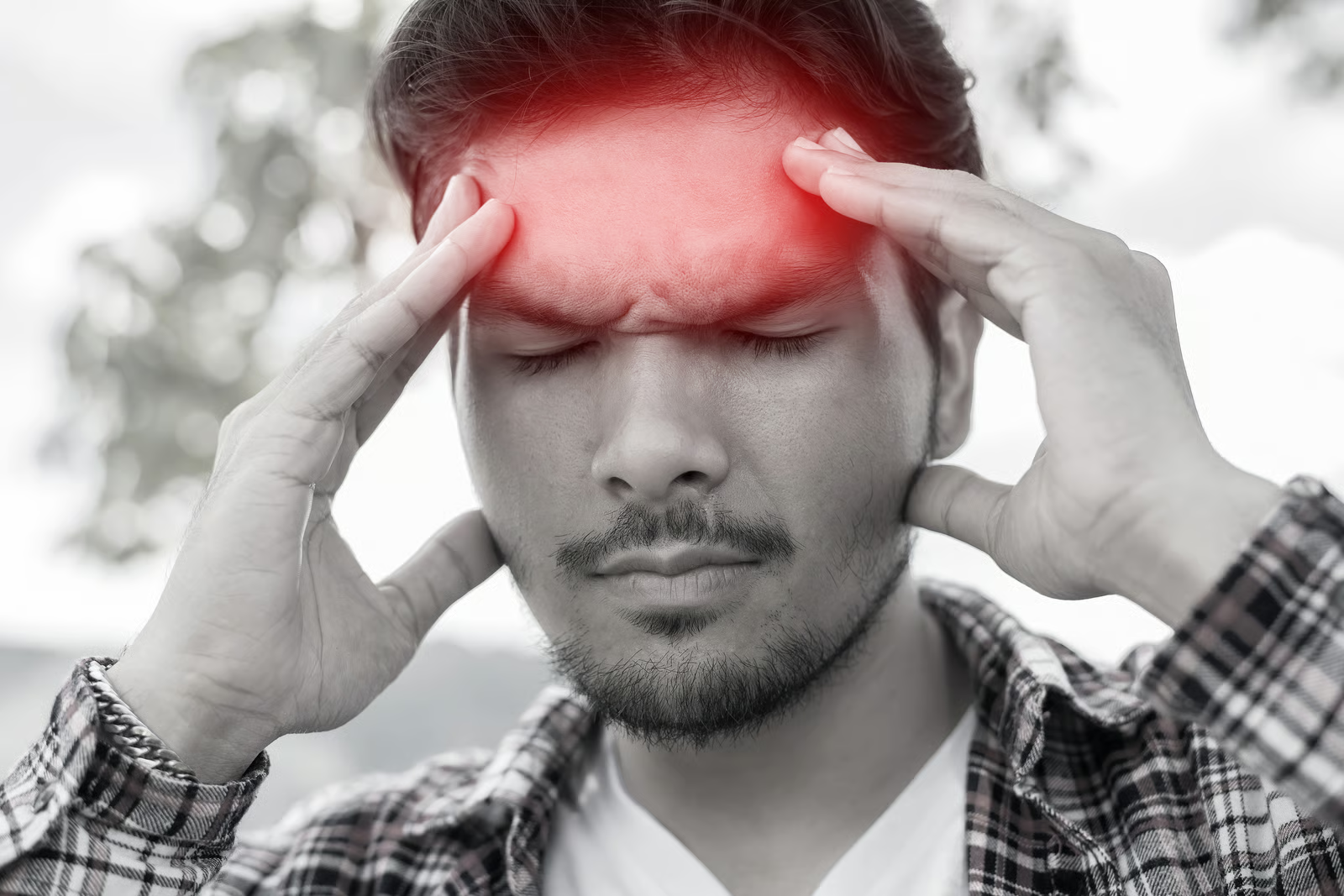
- Prodrome: Beginning hours or up to two days before pain, this phase may include mood changes, irritability, low mood, food cravings, constipation, fluid retention, neck stiffness, frequent yawning and increased light sensitivity.
- Aura: Lasting 5–60 minutes, with symptoms such as flashes, scotomata, numbness or vertigo.
- Headache Phase: Moderate-to-severe pulsating pain lasting 4–72 hours, often with nausea, vomiting, photophobia, phonophobia and allodynia.
- Postdrome (“Migraine Hangover”): Following resolution of the pain and lasting up to 24–48 hours, this phase may involve exhaustion, cognitive fatigue, difficulty concentrating, mental fog, mood changes and residual scalp sensitivity.
Critical Warning Signs: When Headache Requires Emergency Hospital Assessment (Red Flags—SNOOP10)
Although most headaches are caused by primary headache disorders, a new or unusual headache may indicate a potentially life-threatening condition such as subarachnoid haemorrhage, intracranial aneurysm, meningitis, brain tumour, cerebral venous thrombosis or raised intracranial pressure. The SNOOP10 framework helps identify warning signs. Any of the following warrants urgent medical assessment; severe or sudden symptoms require immediate emergency evaluation:
- S—Systemic symptoms: Headache with high fever, rigors, night sweats, weight loss, rash, immunosuppression, cancer or HIV.
- N—Neurological symptoms or signs: Headache with diplopia, blurred or lost vision, dysarthria, dysphagia, unsteadiness, ataxia, numbness, facial or limb weakness, seizure, confusion or loss of consciousness.
- O—Onset sudden (thunderclap headache): Pain reaching maximum intensity within seconds or less than one minute—the classic presentation of subarachnoid haemorrhage from a ruptured aneurysm, often described as “the worst headache of my life”.
- O—Older age: A new headache beginning after age 50 requires assessment for causes such as giant cell arteritis or an intracranial mass.
- P—Pattern change: A marked change in the nature, frequency, duration or treatment response of an established headache, or a headache that progressively worsens day by day.
- P—Positional headache: Headache that is substantially worse upright and relieved when lying down may suggest low cerebrospinal fluid pressure; headache worse when lying down or waking the patient at night may suggest raised intracranial pressure.
- P—Precipitated by sneezing, coughing or exertion: Headache appearing suddenly with coughing, sneezing, lifting, orgasm, straining (Valsalva manoeuvre) or exercise.
- P—Papilloedema: Optic-disc swelling on funduscopic examination, suggesting raised intracranial pressure.
- P—Progressive headache and atypical presentation: Progressively worsening pain, meningism, neck stiffness, temporal or jaw pain, or headache following recent head injury.
Diagnostic Approach & Multilevel Assessment at EViasis
At the EViasis Specialist Migraine & Headache Service in Marousi, assessment is comprehensive, evidence-led and multilevel. The aim is to establish an accurate differential diagnosis and identify relevant contributors to pain rather than relying on empirical analgesic prescribing:
1. Detailed Medical and Headache History: The history is the most important diagnostic step. The clinician documents how long the problem has been present, pain location (unilateral, bilateral, frontal or occipital), character (pulsating, pressing, burning or electric), attack duration and monthly frequency, associated symptoms (nausea, photophobia, aura, vertigo, tearing or nasal congestion) and potential triggers (stress, sleep, food or hormonal factors).
The type and frequency of acute medication use are reviewed carefully to identify medication-overuse headache. A dedicated headache diary may be provided for daily recording of attacks.
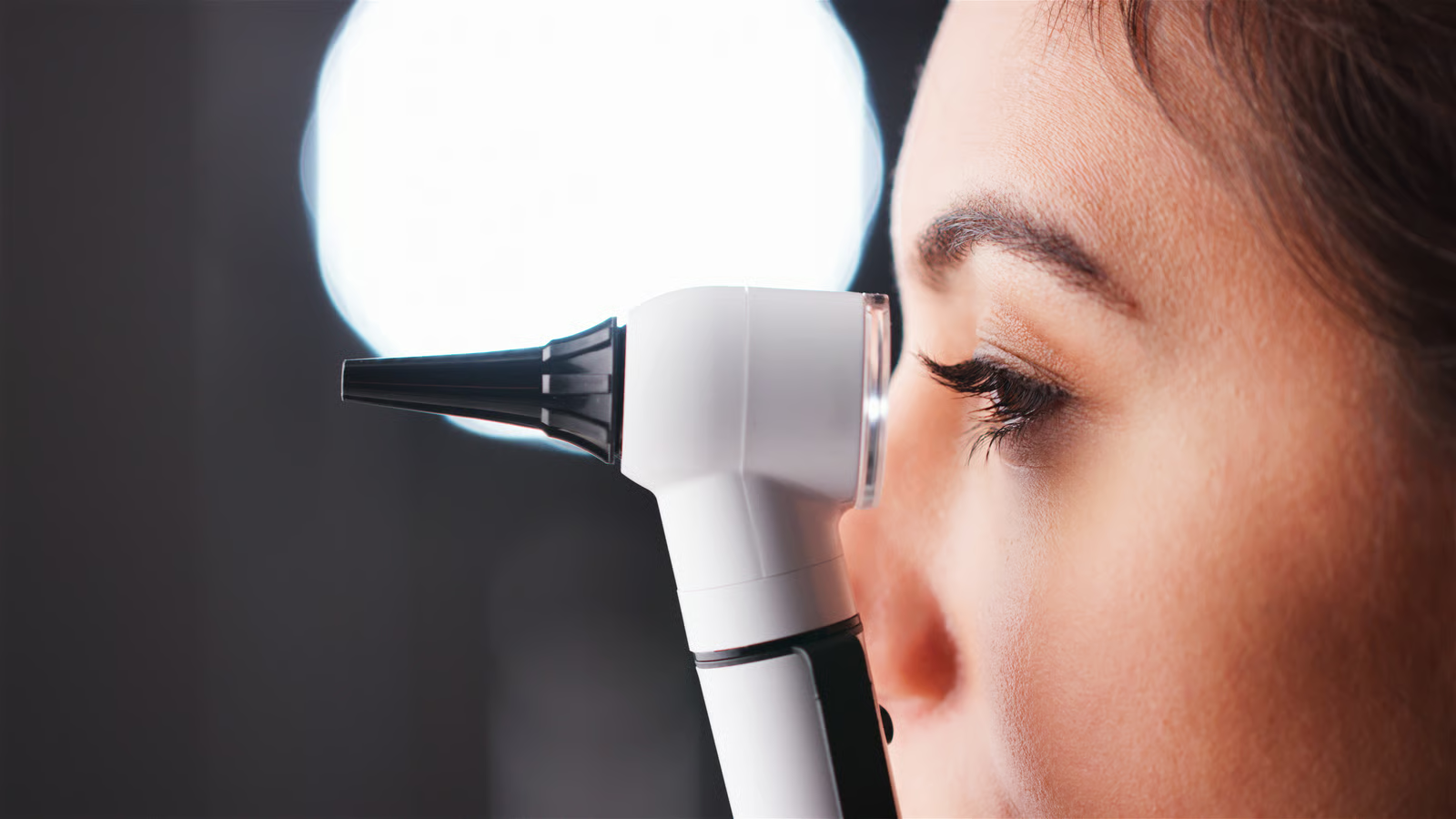
2. Specialist ENT, Endoscopic and Audiological Examination: Because some headaches are associated with disorders of the nose, paranasal sinuses, ears or vestibular system, a full ENT assessment may include:
- HD Nasal and Nasopharyngeal Endoscopy: Detailed examination of the nasal cavities, septum, turbinates and sinus drainage pathways to identify rhinosinusitis, nasal polyps, inflammation, allergic rhinitis or structural abnormalities that may contribute to rhinogenic pain.
- Comprehensive Audiological and Middle-Ear Assessment: Pure-tone and speech audiometry in a sound-treated room, together with tympanometry when indicated, to assess hearing, middle-ear function and coexisting otological symptoms.
3. Neuro-otological Balance Assessment (for Vestibular Migraine): Patients with headache accompanied by vertigo, dizziness, unsteadiness or oscillopsia may undergo detailed neuro-otological assessment to evaluate vestibular migraine and alternative balance disorders.
4. Detailed Neurological, Cervical & Musculoskeletal Examination: The cranial nerves, visual fields, reflexes and muscle tone are assessed. Palpation of the cervical spine, suboccipital, trapezius and sternocleidomastoid muscles, occipital nerves, temporalis muscles and temporomandibular joints can identify myofascial trigger points, muscle spasm, occipital neuralgia, cervical dysfunction or bruxism.
5. Review of Imaging, Vascular & Laboratory Investigations: When red flags, atypical features, a change in pattern or suspected structural disease are present, appropriate investigations may be recommended or reviewed:
Magnetic resonance imaging (MRI) of the brain and temporal bones and magnetic resonance angiography (MRA), when clinically indicated, can assess for aneurysm, vascular malformation, tumour, multiple sclerosis, vestibular schwannoma, cerebral venous sinus thrombosis or haemorrhage.
- Computed tomography (CT), including CT of the paranasal sinuses when indicated, can define sinonasal anatomy and assess chronic rhinosinusitis.
- Carotid and vertebral artery Doppler ultrasound and targeted blood or hormonal tests—such as vitamin D, vitamin B12, thyroid function and inflammatory markers including ESR—may be requested according to the clinical picture.
Holistic Treatment Protocols at EViasis: Modern, Non-Invasive Pain Management
Migraine and headache treatment at EViasis in Marousi is designed to interrupt the cycle of chronic pain and excessive reliance on acute medication. Modern, minimally invasive or non-invasive, evidence-informed methods are selected according to each patient’s diagnosis, comorbidities and treatment goals:
1. Medical Acupuncture, Auricular Acupuncture and Electroacupuncture
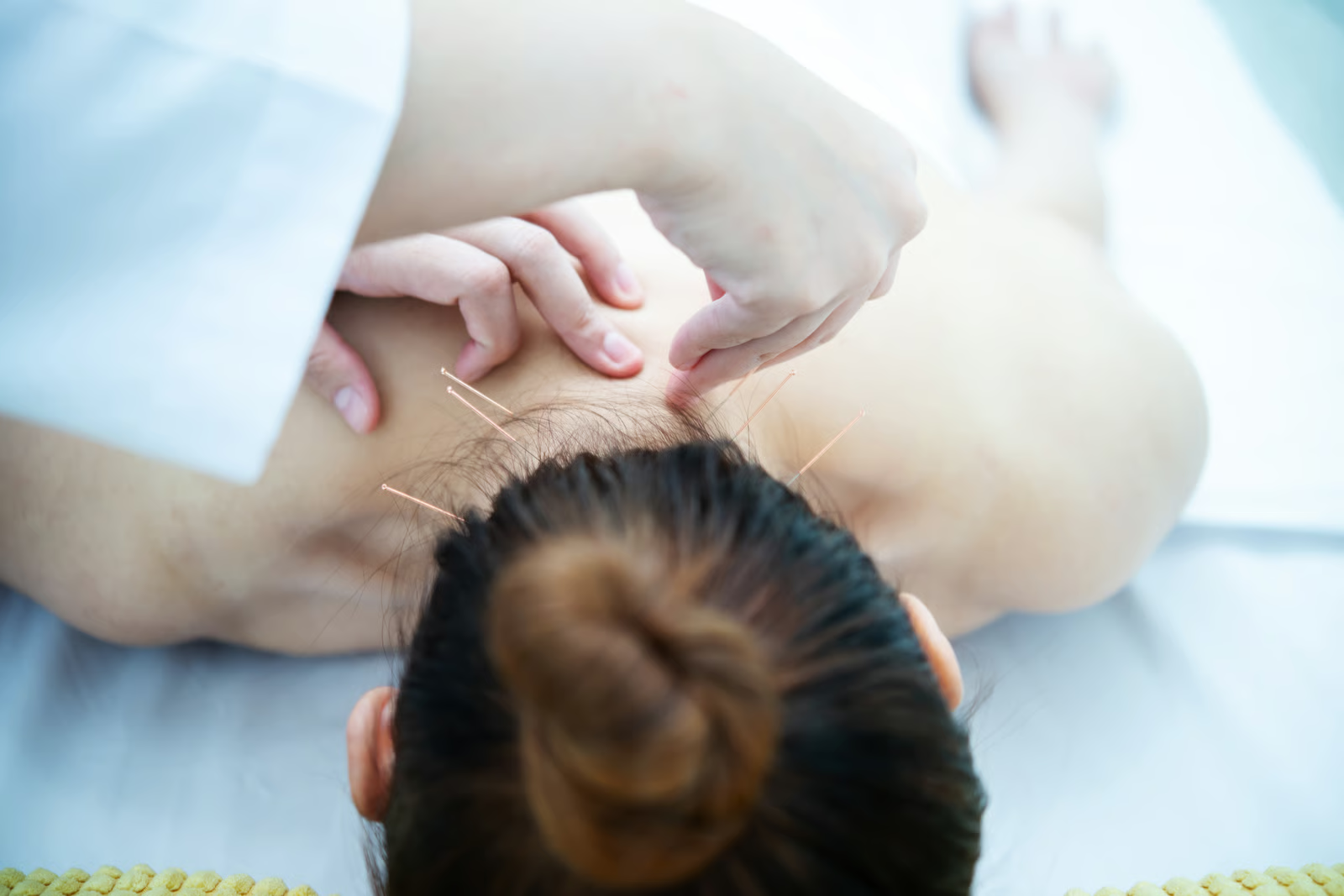
Medical acupuncture is a recognised non-pharmacological option for migraine prevention and tension-type headache, and may also be incorporated into an individualised plan for cervicogenic headache or neuropathic facial pain. Recommendations vary by diagnosis and guideline, so treatment is considered alongside standard medical options, contraindications and patient preference.
At EViasis, treatment is provided by the Clinical Director, ENT surgeon, neuro-otologist and certified medical acupuncturist Dr Christina Efthymiou, in accordance with established medical and infection-control protocols:
Release of Endogenous Opioids and Analgesic Neurotransmitters: Placement of very fine, sterile, single-use needles at selected neuroanatomical points can stimulate A-delta and C sensory fibres and engage spinal and supraspinal pain-modulation pathways. This may influence endogenous opioids and neurotransmitters—including endorphins, enkephalins, serotonin, noradrenaline and dopamine—and contribute to descending pain inhibition (“closing the pain gate”).
- Modulation of the Trigeminovascular System & Inflammatory Peptides: Acupuncture may affect trigeminal excitability and pain-modulating pathways, with proposed effects on mediators such as CGRP and substance P. Clinically, the aim is to reduce the frequency, intensity and duration of migraine attacks.
Electroacupuncture: Clips from a certified medical device are attached to selected needles to deliver a controlled, low-frequency current. The technique may be used to address muscle spasm and painful myofascial trigger points in the neck, trapezius, temporalis and masticatory muscles as part of treatment for tension-type, cervicogenic or occipital pain.
Auricular Acupuncture & Semi-Permanent Needles: The auricle receives sensory innervation from branches that include the vagus and trigeminal nerves. Very small needles or specialised seed or magnetic patches may be used to stimulate selected auricular points, with the aim of supporting autonomic regulation, stress management and relaxation.
2. Low-Level Laser Therapy (EY-LLLT / Photobiomodulation)
Our centre offers non-invasive low-level laser photobiomodulation (EY-LLLT) as an adjunctive treatment for selected patients with acute or chronic headache, migraine, neuralgia or rhinogenic facial pain. Light at selected wavelengths is applied to relevant tissues of the head, face, paranasal region or neck, with proposed cellular effects:
- Cellular Photobiomodulation and Energy Metabolism (ATP): Light absorption by mitochondrial chromophores, including cytochrome c oxidase, may influence adenosine triphosphate (ATP) production and cellular repair responses.
- Anti-Inflammatory, Analgesic and Decongestant Effects: LLLT may modulate inflammatory mediators, local oedema and nociceptive signalling. It is used as an adjunct rather than a substitute for diagnosis-specific medical treatment.
- Local Microcirculation and Muscle Relaxation: Photobiomodulation may support local blood flow and relaxation of overloaded muscles in the head and neck.
3. Modern, Targeted and Rational Pharmacotherapy
- When clinically indicated, care is complemented by appropriate, evidence-based medication selected for the individual patient.
- Acute Symptomatic Treatment:
- Triptans
- Non-Steroidal Anti-Inflammatory Drugs (NSAIDs) & Analgesics: Options may include ibuprofen, naproxen, diclofenac or paracetamol, with or without caffeine, for suitable mild-to-moderate attacks.
- Antiemetic and Prokinetic Medication: Medicines such as metoclopramide may be used for nausea, vomiting or gastric stasis where appropriate.
- Established Preventive Medication: Depending on the patient, options may include beta-blockers, calcium-channel blockers, antiseizure medicines, tricyclic antidepressants or serotonin/noradrenaline-modulating agents. Selection requires an individual risk–benefit assessment, review of contraindications and monitoring.
- Management of Medication Overuse: A planned reduction or withdrawal of the acute medication causing rebound headache, with suitable preventive therapy and clinical support. Acupuncture or LLLT may be used only as adjunctive measures where appropriate.
4. Specialist Management of ENT Disorders, Vestibular Migraine and Neuralgia
- Vestibular Migraine Management: Treatment may combine preventive medication, lifestyle measures, medical or auricular acupuncture and—where indicated—an individualised vestibular rehabilitation programme. Gaze-stabilisation, balance and habituation exercises can help the brain adapt to visually or motion-provoked vestibular symptoms.
Management of Sinus and Rhinogenic Headache: When pain is attributable to acute or chronic rhinosinusitis, treatment is tailored to the cause and may include saline nasal irrigation, intranasal corticosteroids and, where specifically indicated, antibiotics or antihistamines. LLLT or facial acupuncture may be offered as adjuncts. Chronic polyposis, persistent obstruction or structural disease may require assessment for minimally invasive endoscopic sinus surgery (FESS).
- Management of Trigeminal and Occipital Neuralgia: Depending on diagnosis, treatment may include targeted medication such as carbamazepine, gabapentin or pregabalin, and specialist procedures such as local anaesthetic occipital nerve blocks. Electroacupuncture or LLLT may be considered as adjunctive approaches.
Prevention, Ergonomics, Dietary Guidance & Quality of Life
Successful long-term management of migraine and chronic headache requires active patient participation, sustainable lifestyle changes and targeted preventive measures. EViasis commonly recommends the following, adapted to the individual:

Dietary Guidance, Supplements and Hydration
- Regular Meals and Avoiding Prolonged Fasting: Eat regular, balanced meals and snacks every 3–4 hours if this helps prevent hypoglycaemia. Avoid routinely skipping breakfast.
- Identify Personal Food Triggers: A headache diary can help determine whether aged cheeses, processed meats, smoked fish, foods containing MSG, chocolate, red wine, artificial sweeteners or very fatty foods consistently trigger attacks. Unnecessary broad food restriction should be avoided.
- Consistent Caffeine Intake and Alcohol Moderation: If caffeine is used, keep the amount and timing consistent and avoid excessive intake or abrupt withdrawal. Limit alcohol if it triggers attacks.
- Adequate Daily Hydration: Maintain regular fluid intake throughout the day, adjusted for body size, activity, climate and any relevant medical condition, because dehydration can trigger headache.
- Evidence-Informed Nutraceuticals: Some supplements may support migraine prevention, but suitability, dose, interactions and contraindications should be discussed with a clinician:
- Magnesium (for example citrate or glycinate): May help reduce migraine frequency in selected patients; the formulation and dose should be individualised because adverse gastrointestinal effects and clinical contraindications may apply.
- Riboflavin (Vitamin B2): May support mitochondrial energy metabolism and is used as a preventive option in some patients.
- Coenzyme Q10 (CoQ10): Has antioxidant and mitochondrial roles and may be considered as an adjunct for migraine prevention.
- Omega-3 Fatty Acids: Contribute to normal cardiovascular and inflammatory physiology, although evidence for migraine prevention is less established.
Sleep Hygiene, Ergonomics and Stress Management
- Consistent Sleep Schedule: Aim to go to bed and wake at similar times each day, including weekends. Seek 7–8 hours of good-quality sleep in a dark, quiet and comfortable room, and reduce screen exposure before bedtime.
- Workplace Ergonomics and Neck Care: Adjust chair, desk and monitor height so the screen is approximately at eye level and prolonged cervical flexion is reduced. Limit extended downward viewing of mobile devices, use a supportive pillow if helpful and take regular movement or stretching breaks for the neck, shoulders and trapezius muscles.
- Regular Physical Activity: Moderate aerobic exercise—such as brisk walking, swimming, cycling, yoga or Pilates—for about 30–45 minutes on 3–4 days per week can support general health, sleep and stress regulation. Build intensity gradually and warm up appropriately.
- Relaxation and Stress-Management Techniques: Diaphragmatic breathing, mindfulness and biofeedback may help reduce sympathetic arousal and muscle tension.
About Dr Christina Efthymiou & the EViasis Medical Centre
The EViasis Specialist Centre for Otorhinolaryngology, Neuro-otology & Medical Acupuncture (ent.gr), based in Marousi, provides integrated assessment and individualised management of headache, migraine, vestibular migraine, vertigo and chronic head and neck pain.
The Clinical Director of EViasis, Dr Christina Efthymiou, is an ENT surgeon with specialist expertise in neuro-otology and certification in medical acupuncture. Her clinical, hospital, surgical and research experience in Greece and abroad includes disorders of the head and neck, neuro-otology, medical acupuncture and auricular acupuncture. This combined training supports a broad, multilevel approach to headache, integrating conventional diagnostic medicine with appropriate evidence-informed neuromodulatory treatments.

EViasis places the patient, clinical safety and quality of life at the centre of care. Dr Christina Efthymiou allocates the necessary clinical time to a detailed history, examination and, where indicated, endoscopic or neuro-otological testing, in order to identify the headache type and develop an individualised treatment plan.
Why Choose the EViasis Migraine & Headache Service in Marousi
- Holistic & Individualised Approach: A care plan based on the cause and type of headache, coexisting conditions, clinical risks and the patient’s lifestyle and goals.
- Certified Medical, Auricular and Electroacupuncture: Acupuncture protocols are delivered by a medically qualified, certified practitioner and incorporated only when appropriate to the diagnosis and wider treatment plan.
- Non-Invasive Photobiomodulation (EY-LLLT): Low-level laser technology may be used as an adjunctive analgesic and anti-inflammatory approach for selected patients.
- Multilevel Assessment by an ENT Surgeon & Neuro-otologist: Coexisting sinonasal inflammation, vestibular migraine, vertigo, tinnitus or other ENT and neuro-otological disorders can be assessed within the same specialist setting.
- Continuity of Medical Care: Progress is reviewed and the treatment plan is adjusted according to clinical response, safety and functional recovery.

Access, Contact and Patient Services
The EViasis Specialist Medical Centre is located in a modern, comfortable and accessible setting in Marousi, Attica. It serves patients from Marousi and across the Northern Suburbs—including Kifissia, Chalandri, Vrilissia, Melissia, Pefki, Lykovrysi, Psychiko, Filothei, Neo Irakleio and Agia Paraskevi—as well as the wider Athens metropolitan area. To learn more about headache, migraine, vertigo and medical acupuncture services, or to arrange an appointment with Dr Christina Efthymiou, visit the practice’s official website at https://ent.gr/en/.
Frequently Asked Questions (FAQ)
The following evidence-informed guide answers 13 common questions about migraine, headache and the individualised treatment options available at EViasis.

1. What is the main difference between migraine and an ordinary tension-type headache?
Tension-type headache usually causes bilateral pain that feels like constant pressure, tightness, heaviness or a “vice” around the forehead and neck. It is generally mild to moderate, non-pulsating and not aggravated by routine physical activity. Vomiting and visual aura are not features of tension-type headache, although mild photophobia or phonophobia may occur.
Migraine, by contrast, is a complex neurological disorder. Pain is often unilateral and pulsating, moderate to severe and worsened by routine movement such as walking, bending or climbing stairs. It is commonly accompanied by nausea, vomiting, photophobia and phonophobia.
2. What is migraine “aura” and what are its most common symptoms?
Aura consists of transient, fully reversible visual, sensory, speech or other neurological symptoms that usually develop before or around the onset of migraine headache. Individual symptoms typically last 5–60 minutes and aura occurs in approximately 20%–30% of people with migraine. Visual aura is most common and may include shimmering zigzag lines, flashes, sparks, blind spots (scotomata) or visual distortion.
Sensory aura may cause tingling or numbness spreading from the fingers towards the lips or tongue; speech aura may cause word-finding difficulty. Aura is associated with cortical spreading depression in the brain.
3. What is vestibular migraine, and how does it differ from other causes of vertigo?
Vestibular migraine is a common cause of recurrent vertigo and reflects abnormal interaction between migraine and vestibular pathways. A key clinical point is that headache does not have to occur during every episode. Attacks may involve rotational vertigo, unsteadiness, dizziness or a floating sensation and can last from 5 minutes to 72 hours.
Diagnosis requires a current or previous history of migraine and, for at least half of vestibular episodes, migraine features such as migraine-type headache, photophobia and phonophobia, or visual aura. Other inner-ear and neurological causes of vertigo must be considered and excluded where appropriate.
4. What are the most common triggers of a migraine attack?
Migraine can be triggered when a susceptible brain is exposed to particular internal or external factors. Commonly reported triggers include:
- Psychological stress, sustained pressure and sudden relaxation after a stressful period (“weekend migraine”).
- Sleep disturbance: insomnia, sleep deprivation, altered schedules or excessive sleep.
- Hormonal fluctuations: a fall in oestrogen around menstruation, pregnancy-related changes, menopause or hormonal medication.
- Diet and fasting: skipped meals, hypoglycaemia, dehydration and, in susceptible individuals, foods such as aged cheese, processed meats, MSG-containing foods, artificial sweeteners, caffeine, red wine or other alcohol.
- Environmental stimuli: changes in weather or barometric pressure, bright or flickering light, screens, loud sounds and strong odours.
- Cervical strain and prolonged poor posture at a computer.
5. How can a sinus headache be distinguished from migraine pain over the forehead?
Headache or facial pain attributed to rhinosinusitis is associated with acute or chronic inflammation of the paranasal sinuses. Pain or pressure may be felt beneath the eyes, over the cheeks or forehead, or in the upper teeth, and may worsen when bending forwards. Acute bacterial rhinosinusitis usually includes relevant nasal symptoms such as obstruction, purulent nasal discharge, postnasal drainage, reduced smell and sometimes fever or cough. Many people who believe they have “sinus headache” actually have migraine, which can itself cause forehead pain and nasal autonomic symptoms. Nasal endoscopy by ENT surgeon Dr Christina Efthymiou at EViasis can help distinguish sinonasal disease from migraine when clinically indicated.
6. What is medication-overuse headache (MOH), and how is it treated?
Medication-overuse headache can affect people with migraine or tension-type headache who use acute medicines—such as simple or combination analgesics, NSAIDs, triptans or opioids—on too many days each month for more than three months. The threshold depends on the drug class and is generally 10 or 15 days per month.
Treatment involves education, planned withdrawal or reduction of the overused medicine, appropriate rescue arrangements and preventive treatment when indicated. Medical supervision is particularly important for opioids, barbiturate-containing products or complex comorbidity. Acupuncture or LLLT may be used only as adjunctive support where appropriate.
7. When can headache be a sign of stroke or another serious condition requiring immediate hospital assessment?
The following SNOOP10 warning signs may indicate a potentially life-threatening cause, such as subarachnoid haemorrhage, meningitis, intracranial mass or cerebral venous thrombosis, and require urgent medical assessment:
- Thunderclap headache: Sudden, unprecedented pain reaching maximum intensity within seconds or less than one minute—the “worst headache of my life”.
- Associated neurological deficits: Double or lost vision, dysarthria, dysphagia, ataxia, facial or limb numbness or weakness, confusion, seizure or loss of consciousness.
- Systemic symptoms: High fever, rigors, neck stiffness, rash or a history of cancer or immunosuppression.
- A first new persistent headache beginning after age 50, requiring assessment for causes including giant cell arteritis.
- Headache triggered suddenly by coughing, sneezing, straining (Valsalva manoeuvre) or physical exertion.
- A marked change in the pattern, frequency or severity of a previously established headache.
8. How does medical acupuncture work in migraine and headache treatment or prevention?
Medical acupuncture is included in some clinical guidelines as a non-pharmacological option for migraine prevention or frequent tension-type headache. Proposed mechanisms include:
Stimulation of A-delta and C sensory fibres by fine, sterile needles, engaging spinal and brain pain-modulation pathways and influencing endogenous opioids and neurotransmitters involved in descending pain control.
Modulation of trigeminovascular signalling and mediators such as CGRP and substance P, although the precise mechanisms remain under investigation.
- Reduction of muscle tension and painful myofascial trigger points in the neck, trapezius and temporalis muscles, with potential improvement in local function.
Acupuncture may also support relaxation and autonomic regulation. Outcomes vary, and it should be delivered by an appropriately trained practitioner as part of a diagnosis-specific plan rather than as a replacement for emergency or indicated conventional treatment.
9. What is low-level laser therapy (EY-LLLT), and which headaches may it help?
Low-level laser photobiomodulation (EY-LLLT) is a non-invasive adjunctive treatment offered at EViasis. Light of selected wavelengths is applied to relevant tissues of the head, face, paranasal region or neck:
- It may influence mitochondrial activity and ATP production, supporting cellular repair responses in selected tissues.
Proposed effects include modulation of local inflammation, oedema and nociceptive signalling.
It may be considered as an adjunct for selected patients with migraine, tension-type or cervicogenic headache, neuralgia or facial pain associated with sinonasal inflammation. Evidence and expected benefit vary by condition, and it does not replace appropriate diagnostic or medical treatment.
10. How many medical acupuncture or EY-LLLT sessions will I need before I notice meaningful improvement?
The number and frequency of sessions depend on the diagnosis, whether symptoms are episodic or chronic, their severity, relevant medical history and the individual response. No fixed course can guarantee improvement. If treatment is clinically appropriate, an initial time-limited trial is agreed, outcomes are measured using headache days, symptom severity and medication use, and the plan is continued, adjusted or stopped according to response.
Session frequency may be higher at the beginning and reduced later, but this is individualised and discussed before treatment.
13. How can a neck problem cause a severe headache that resembles migraine?
The upper cervical spine, particularly segments C1–C3, the suboccipital muscles and occipital nerves share pain-processing pathways with the trigeminal system in the trigeminocervical complex. Cervical joint dysfunction, disc disease, spondylosis, whiplash or sustained muscular overload associated with stress or poor posture can therefore refer pain from the neck towards the back or front of the head, temple, forehead or eye.
This is termed cervicogenic headache and can sometimes resemble migraine, although the two disorders can also coexist. Management depends on the diagnosis and may include exercise-based rehabilitation, ergonomic changes and appropriate medical or physical treatments; acupuncture, electroacupuncture or LLLT may be considered as adjuncts at EViasis.
14. What are the most important dietary measures and which supplements may help migraine?
- A consistent dietary routine may help reduce attacks:
- Eat regularly and avoid skipping meals: Reduce prolonged fasting and hypoglycaemia by eating balanced meals at suitable intervals.
- Identify genuine personal triggers: A headache diary can show whether foods such as aged cheese, processed meats, smoked fish, MSG-containing products, chocolate, red wine or artificial sweeteners repeatedly precede attacks. Avoid unnecessary restrictive diets.
- Keep caffeine consistent and limit alcohol: Avoid excessive caffeine and abrupt withdrawal; reduce or avoid alcohol if it is a trigger.
- Maintain adequate hydration: Drink regularly through the day, adjusting intake for activity, climate and medical advice.
- Evidence-Informed Supplements: Magnesium, riboflavin and coenzyme Q10 may be considered for migraine prevention in selected patients. Choice and dose should be reviewed with a clinician because formulations, interactions, contraindications and evidence differ.
- Magnesium: May reduce migraine frequency for some patients but can cause gastrointestinal adverse effects and may be unsuitable in particular medical conditions.
- Riboflavin (Vitamin B2): Supports mitochondrial energy metabolism and may help reduce attack frequency.
- Coenzyme Q10: Has mitochondrial and antioxidant functions and may provide preventive benefit for some people.
- Omega-3 fatty acids: Support general cardiovascular health, but evidence for a specific migraine-preventive effect is less certain.
15. How can I arrange an appointment for migraine and headache assessment and holistic treatment at EViasis in Marousi?
Arranging an appointment at the EViasis Specialist Medical Centre in Marousi is straightforward:
- By telephone: Contact the practice reception during working days and hours to arrange a consultation with Clinical Director, ENT surgeon, neuro-otologist and certified medical acupuncturist Dr Christina Efthymiou.
- Online: Visit our official website at https://ent.gr/en/ to use the contact or online appointment form and learn more about our ENT, neuro-otology, medical acupuncture and LLLT services.
Summary: Comprehensive Medical Care for Chronic Headache at EViasis
Migraine, vestibular migraine, tension-type headache, rhinogenic facial pain and cranial or cervical neuralgias are complex neurological, neurovascular and musculoskeletal conditions. They require an accurate diagnosis, assessment for warning signs and a care plan that avoids inappropriate reliance on acute analgesics.
At the EViasis Specialist Centre for Otorhinolaryngology, Neuro-otology & Medical Acupuncture in Marousi, under the clinical direction of Dr Christina Efthymiou, modern diagnostic assessment—including HD nasal endoscopy and audiological or vestibular testing when indicated—is combined with individualised medical and non-pharmacological care.

Medical acupuncture, auricular acupuncture, electroacupuncture and low-level laser photobiomodulation (EY-LLLT) may be incorporated as adjuncts where clinically appropriate. The goal is to reduce symptom burden, improve function and quality of life, and help each patient return safely to everyday activity.