


Nasal application of Laser Therapy
Low Level Laser Therapy is a is a rapidly growing technology used to treat a multitude of conditions that require stimulation of healing,

Nasal Polyps Treatment and Management
Nasal polyps are non-cancerous masses that develop in the lining of the nasal cavities and usually originate from the ethmoid sinuses.

Management of Nasal Polyps & Chronic sinusitis with EY-LLLT
Chronic sinusitis with or without Nasal Polyps, is a long-lasting sinus inflammation and infection. The sinuses can become infected when they…

Nasal spray, the corticosteroids are not the problem.
A runny nose and a blocked nose are the most common symptoms of a common cold. An easy solution, albeit a temporary one, is the decongestant nasal spray…

Treating Allergic Rhinitis
Allergic rhinitis is a disease that affects many people around the world and 10% in our country. Treating allergic rhinitis is…

Treatment for Nasal Polyps and Chronic sinusitis
Treating symptoms of Nasal polyps and CRS can sometimes be disappointing and tiresome, so many patients search for alternative medical…

Management of Allergic Rhinitis
The main strategy for the management of allergic rhinitis is avoiding the allergens that cause the symptoms, medicinal therapy, acupuncture, therapeutic…

Allergic Rhinitis, Diagnosis
A thorough clinical examination is carried out by an otorhinolaryngologist for the diagnostic evaluation of allergic rhinitis.

Post-nasal drip-Cough-Sore throat
When the mucus runs down the back of the nose to the throat, it’s called post-nasal drip. Normally, the mucus from the nose goes unnoticed…

Acupuncture for Allergic rhinitis
Allergic rhinitis, also called hay fever, is an allergic reaction that causes sneezing, congestion, itchy nose and sore throat.

Allergic Rhinitis
Allergic Rhinitis, also known as Hay Fever, refers to inflammation of the nasal passages. This inflammation can cause a variety of annoying symptoms…

Immunotherapy for Allergies of Respiratory Tract
Immunotherapy treatment is based on a century-old concept that the immune system can be desensitized to specific allergens that trigger allergy symptoms.

Smell Disorders (Anosmia-Hyposmia)
Loss of smell (anosmia) can be partial or complete, although a complete loss of smell is fairly rare. Loss of smell can also be…

Allergy tests & immunotherapy
Allergy Tests for Allergen Identification are the Skin prick tests. They are safe, rapid and painless tests used to determine an allergic response…
Allergic Rhinitis Treatment in Marousi | Specialist ENT Diagnosis, Endoscopic Assessment, Standardised Allergy Testing and Holistic Treatment Without Reliance on Medication
Introduction, Definition and Epidemiology: The Immunological and Pathophysiological Nature of Allergic Rhinitis
Allergic rhinitis is the most common chronic, non-infectious respiratory disorder worldwide, affecting between one fifth and one third of the general population, with prevalence continuing to rise rapidly in modern urban societies. It is often underestimated and mistakenly described as a harmless “spring cold” or a temporary nasal irritation.
In reality, however, it is a highly complex, chronic, systemic inflammatory disorder of the nasal mucosa, triggered by an abnormal, excessive and dysregulated immune response to otherwise harmless environmental proteins known as aeroallergens.

The nasal cavity is the body's first line of defence—its “filter” and “air-conditioning system”. The nasal mucosa contains a highly developed local immune network that must distinguish dangerous pathogens, such as viruses and bacteria, from harmless airborne particles, such as plant pollen and household dust.
In a patient with allergic rhinitis, immune tolerance has broken down. The immune system misidentifies these harmless aeroallergens as dangerous invaders and initiates an intense, recurrent immune response. This chronic inflammatory state is not confined to the nasal cavity; it can affect the entire respiratory tract—from the paranasal sinuses and Eustachian tubes to the larynx and bronchi—underpinning the modern medical concept of “One Airway, One Disease”, which directly links allergic rhinitis with bronchial asthma.
Immunological Pathophysiology: How Allergic Inflammation and Symptoms Develop
Understanding the pathophysiological mechanisms of allergic rhinitis is essential for accurate, targeted treatment with modern approaches intended to support mucosal recovery, including low-level laser photobiomodulation (EY-LLLT) and medical acupuncture. The allergic response is an immediate hypersensitivity reaction that develops through distinct immunological phases:
The Sensitisation Phase: When a genetically predisposed person (with atopy) is first exposed to an aeroallergen, such as olive pollen or house-dust mites, the allergen crosses the nasal barrier and is captured by antigen-presenting dendritic cells. These cells present the protein to helper T lymphocytes, which then release specific cytokines.
These cytokines instruct B lymphocytes to differentiate into plasma cells and produce large quantities of allergen-specific immunoglobulin E (IgE) antibodies. IgE antibodies bind to and “arm” mast cells and basophils, which are abundant in the nasal mucosa. At this stage, the patient has become sensitised but does not yet have symptoms.
The Early Phase of the Allergic Response: When the sensitised patient inhales the allergen again, allergen molecules cross-link IgE antibodies bound to the surface of nasal mast cells. This immediately triggers mast-cell degranulation and the release of potent chemical mediators, principally histamine, as well as prostaglandins, leukotrienes and tryptase.
Histamine directly stimulates sensory endings of the trigeminal nerve, causing intense itching in the nose and eyes and triggering forceful, repeated reflex sneezing.
- At the same time, it stimulates parasympathetic pathways and mucous glands, producing profuse, watery nasal discharge (rhinorrhoea).
Histamine and leukotrienes also cause marked vasodilation and increase the permeability of nasal capillaries. This produces rapid swelling (oedema) of the mucosa and turbinates, experienced as nasal congestion or blockage.
The Late Phase of Allergic Inflammation: Even after direct exposure to the allergen has stopped, the allergic response can continue for several hours. Mast cells and helper T lymphocytes release chemotactic cytokines that recruit large numbers of inflammatory cells to the nasal mucosa, particularly eosinophils, basophils and macrophages.
Eosinophils release toxic proteins and leukotrienes that perpetuate chronic mucosal oedema, damage the protective cilia and cause persistent nasal congestion that may respond poorly to simple oral antihistamines.
The “Minimal Persistent Inflammation” Concept: Even when patients with allergic rhinitis have no prominent clinical symptoms, the nasal mucosa may remain in a state of chronic, subclinical inflammation. This makes it vulnerable and hyperresponsive, resulting in non-specific nasal hyperreactivity: the nose may swell, sneeze and run even in response to non-allergic stimuli, including sudden changes in air temperature, humidity, dry air from air-conditioning systems, air pollution, cigarette smoke and strong odours.
Types and Classification of Allergic Rhinitis According to the International ARIA Guidelines
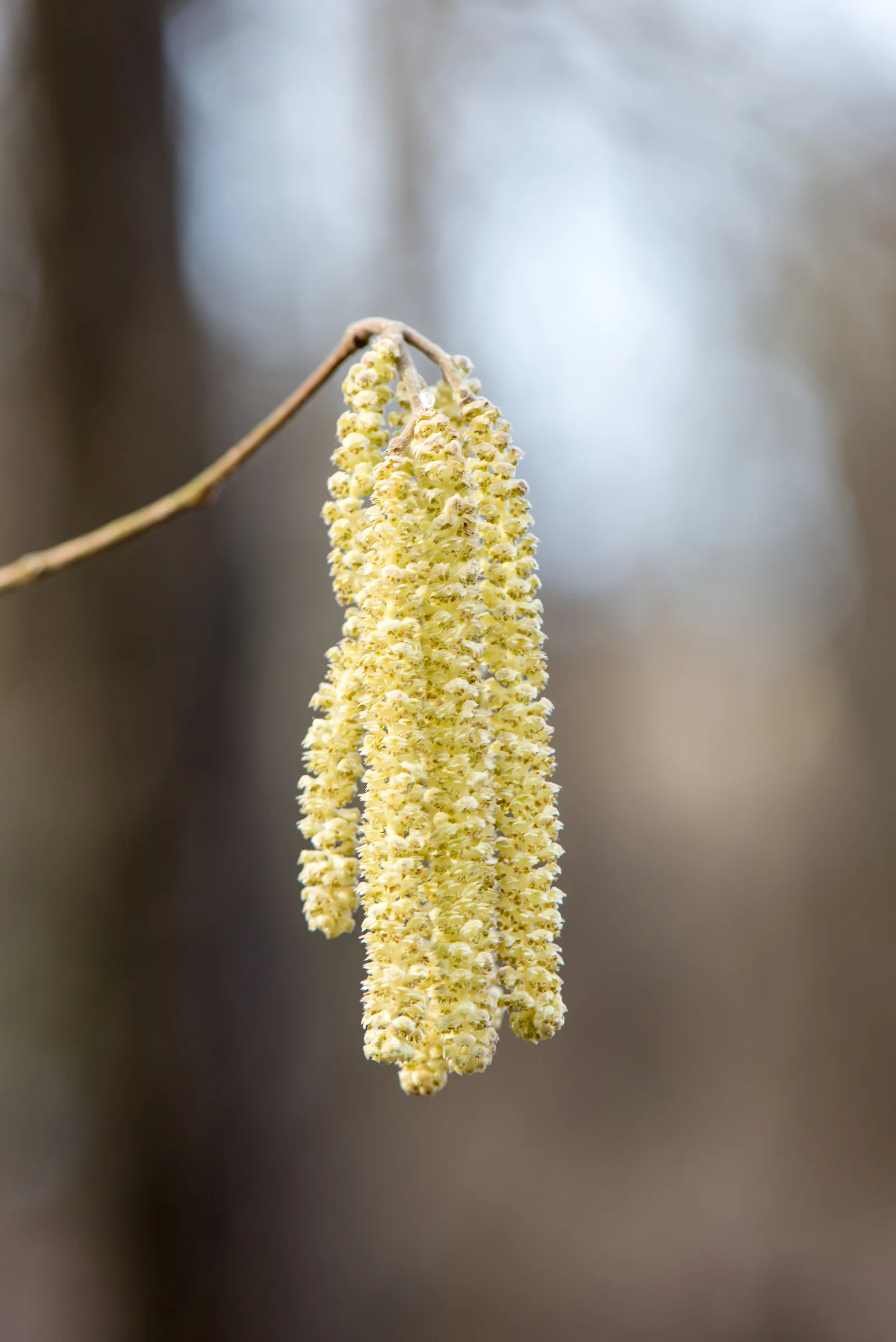
Modern classification of allergic rhinitis has moved beyond the simple distinction between “seasonal” and “perennial” disease. The international ARIA guidelines (Allergic Rhinitis and its Impact on Asthma) classify the condition according to symptom duration and its effect on quality of life:
Classification by Duration and Severity
- Intermittent Allergic Rhinitis: Symptoms occur on fewer than four days per week, or for fewer than four consecutive weeks during the year.
- Persistent Allergic Rhinitis: Symptoms are present on four or more days per week and continue for more than four consecutive weeks during the year.
- Mild Allergic Rhinitis: Sleep remains normal; everyday activities, exercise, school and work performance are unaffected; and symptoms are tolerable without causing significant distress.
- Moderate-to-Severe Allergic Rhinitis: At least one of the following is present: disturbed sleep or insomnia; restriction of daily activities, sport or leisure; difficulty at school or work; or symptoms perceived by the patient as particularly troublesome or severe.
Seasonal Allergic Rhinitis (“Hay Fever”)
Seasonal allergic rhinitis occurs at particular times of year and closely follows the flowering and pollination periods of plants. Symptom severity is directly related to airborne pollen counts, which rise on warm, dry and windy days and fall after rainfall. In Greece, and particularly in Attica, the principal seasonal triggers are:
- Trees: Their flowering season begins in winter and continues into spring. Olive (Olea europaea) is especially important because it releases large quantities of highly allergenic pollen during spring. Other relevant trees include cypress (Cupressus), pine, plane and poplar.
- Grasses: These account for many spring allergies; common sources include lawn grass, barley, rye and wild wheat.
- Weeds: These flower in late summer and autumn. Pellitory-of-the-wall (Parietaria), which is abundant on walls and vacant plots in urban areas, is particularly important, as are tree-of-heaven and ragweed.
Perennial Allergic Rhinitis
Perennial allergic rhinitis causes symptoms throughout the year, regardless of season, because the relevant allergens are continuously present in the home or workplace. Its clinical pattern differs from seasonal disease: persistent, pronounced nasal blockage and post-nasal drainage predominate, while sneezing may be less intense. The main perennial triggers are:
House-Dust Mites (Dermatophagoides pteronyssinus & D. farinae): Microscopic arthropods that live in large numbers in mattresses, pillows, rugs, carpets and upholstered furniture, feeding on shed human skin cells. Their faecal particles are among the most potent indoor allergens. Symptoms often worsen during the night and on getting out of bed in the morning.
- Animal Dander, Saliva and Skin Scales: Cats are a major source because their allergens are extremely light, remain airborne for hours and adhere to clothing; dogs are also a common source.
- Indoor Fungi and Moulds: These microorganisms grow in damp, poorly ventilated spaces, bathrooms, basements and air-conditioning systems.
Detailed Symptoms & Clinical Presentation
The clinical presentation of allergic rhinitis extends well beyond the nose and produces a characteristic constellation of symptoms that is readily recognised by an experienced clinician:

Classic Nasal Symptoms:
- Watery Nasal Discharge (Rhinorrhoea): Continuous production of copious, clear, watery mucus. The discharge is not thick, yellow or green unless a secondary bacterial infection develops.
- Paroxysmal, Forceful Sneezing: Repeated bouts of several consecutive sneezes, usually in the morning or immediately after going outdoors.
- Intense Itching: Nasal itching creates an irresistible urge to rub the nose upwards with the palm. In children, this characteristic movement is called the “allergic salute” and may eventually produce a persistent horizontal crease across the nasal bridge.
- Nasal Congestion and Obstruction: Severe nasal blockage impairs nasal breathing and forces mouth breathing, contributing to snoring, dry mouth and sleep disturbance.
- Disturbance of Smell: Hyposmia or transient anosmia caused by oedema around the olfactory mucosa.
Ocular Symptoms (Allergic Conjunctivitis):
- Many patients also experience pronounced itching and redness of the eyes, tearing, a foreign-body or “gritty” sensation, and eyelid swelling.
ENT and Oropharyngeal Symptoms:
- Itching of the Palate and Pharynx: Intense palatal itching, which the patient may try to relieve by rubbing the tongue against the palate and producing a characteristic clicking sound.
- Post-Nasal Drip: Watery mucus running down the back of the throat, causing persistent irritation, a dry cough and frequent throat-clearing.
- Blocked or Itchy Ears: Allergic inflammation may extend to the Eustachian tube, causing dysfunction, a sensation of pressure or being “underwater”, tinnitus, dizziness and recurrent otitis media with effusion behind the eardrum, particularly in children.
Skin and Facial Features:
- Allergic Shiners: Characteristic dark, blue-purple circles and swelling beneath the eyes, caused by venous congestion and impaired circulation around the eyes and nose due to chronic nasal oedema.
- Dennie–Morgan Lines: Characteristic skin folds or creases immediately below the lower eyelid, commonly seen in people with atopy.
Impact on Daily Life and Quality of Life, and the Unified Airway Concept in Asthma
Allergic rhinitis is a quiet but potentially debilitating medical and social problem. Its effects extend beyond local nasal discomfort and can lead to broad physical and cognitive impairment:

- Sleep Disturbance, Insomnia and Chronic Fatigue: Persistent night-time nasal blockage interferes with normal nasal breathing and may cause repeated brief awakenings, snoring, dry mouth and poor overnight oxygenation. Patients may wake feeling exhausted, with a heavy headache and chronic fatigue.
- Reduced Cognitive Function, Productivity and School Performance: Poor-quality sleep, together with the sedating effects of many older antihistamines, may cause brain fog, poor concentration, impaired memory, irritability, reduced workplace productivity and poorer school performance in children.
The “Unified Airway” and the Risk of Bronchial Asthma: The nose and lungs form a single anatomical and immunological airway. A substantial proportion of patients with allergic rhinitis either have asthma or will develop it during their lifetime, while most patients with asthma also have allergic rhinitis. Undiagnosed or untreated allergic rhinitis is an important independent risk factor for asthma and a common reason why asthma symptoms remain poorly controlled.
- Associated Upper-Airway Complications: Persistent obstruction of the paranasal sinus ostia and Eustachian tubes can contribute to recurrent or chronic rhinosinusitis, nasal polyps, otitis media with effusion and hearing loss, chronic pharyngitis and laryngitis, and—among children—orthodontic changes related to long-term mouth breathing.
Comparative Differential Diagnosis of Rhinitis
It is essential to distinguish allergic rhinitis from other rhinological disorders with similar symptoms, as set out in the diagnostic protocol followed at EViasis:
- Allergic Rhinitis: Discharge is characteristically clear and watery. Marked itching and repeated bouts of sneezing are typical. Symptoms are triggered by exposure to aeroallergens such as pollen, house-dust mites and animal dander. On endoscopy, the nasal mucosa may appear pale, violaceous or greyish and markedly oedematous.
- Infectious Rhinitis and Rhinosinusitis: Discharge may become thick and yellow-green. Itching is absent and sneezing is infrequent or isolated. The cause is a viral or bacterial infection, such as the common cold. On endoscopy, the mucosa appears markedly erythematous and purulent material may be visible in the nasal passage.
Vasomotor (Non-Allergic) Rhinitis: Discharge may be watery or mucoid, but nasal congestion is usually the dominant symptom. Itching is absent and there may be only occasional sneezing. Triggers include changes in air temperature, humidity, strong odours, emotional stress or spicy foods. On endoscopy, the mucosa is erythematous and the turbinates are enlarged.
- Rhinitis Medicamentosa: Characterised by severe, persistent nasal blockage with little or no discharge and no itching. It results from prolonged, excessive use of topical nasal decongestant sprays. Endoscopy may show dry, irritated and fibrotic mucosa, visible damage and marked vascular congestion.
Diagnostic Approach & Specialist ENT Assessment at EViasis
At the EViasis Specialist Centre for Otorhinolaryngology, Neuro-otology & Medical Acupuncture in Marousi, allergic rhinitis is assessed accurately and comprehensively using advanced diagnostic equipment, helping to avoid inappropriate treatment:

- Detailed ENT and Allergy History: The clinician records the timing of symptoms (seasonal or perennial), the circumstances in which they occur or worsen, personal and family history of atopy, asthma, eczema or food allergy, and the response to previous medication.
- HD Endoscopic Examination of the Nose & Nasopharynx: Painless nasal endoscopy using high-resolution rigid endoscopes is one of the most important clinical tools available in the practice:
- It can demonstrate the classic features of allergic rhinitis: markedly oedematous nasal mucosa and inferior turbinates, with a characteristically pale, violaceous, blue or grey appearance and copious watery secretions.
It also allows direct assessment for a deviated nasal septum, turbinate hypertrophy and adenoid enlargement and—most importantly—helps identify nasal polyps or chronic rhinosinusitis within the middle meatus.
Standardised Allergy Testing—Skin-Prick Tests: This is a well-established, rapid and reliable diagnostic test performed in the practice. A drop of each standardised extract containing a common aeroallergen is placed on the inner forearm and the surface of the skin is gently pricked. Within a few minutes, the local skin response (wheal and flare) is measured. The test identifies the allergen or allergens to which the patient has become sensitised.
- Laboratory Immunological Blood Tests: When skin-prick testing cannot be performed—for example, in young children, people with extensive eczema or patients who cannot stop taking antihistamines—blood tests may be used to measure total IgE and allergen-specific IgE.
- Nasal Cytology: A sample is taken from the nasal mucosa for microscopic assessment. A high proportion of eosinophils can support an allergic or atopic basis for the rhinitis.
- Imaging (CT of the Paranasal Sinuses): Recommended in selected refractory cases, severe nasal obstruction, suspected nasal polyps or chronic rhinosinusitis to map the paranasal sinus anatomy.
Modern, Holistic and Non-Invasive Treatment at EViasis
Treatment of allergic rhinitis at EViasis in Marousi is multimodal and individualised. It aims to control symptoms and regulate inflammation within the nasal mucosa, with particular emphasis on innovative approaches intended to reduce the need for indefinite, long-term medication:

1. Innovative Low-Level Laser Photobiomodulation (EY-LLLT)
Low-level laser photobiomodulation (EY-LLLT, Low-Level Laser Therapy) is a non-invasive and painless approach used at EViasis as part of the management of allergic and vasomotor rhinitis, without adding a systemic drug burden:
- Mechanism of Action: A specialised laser probe delivering a defined therapeutic wavelength is placed painlessly within the nasal cavity. The photobiological light is absorbed by mitochondrial cytochrome c oxidase in mucosal cells, increasing ATP production and stimulating cellular repair processes.
- Anti-Inflammatory and Immunomodulatory Effects: EY-LLLT is intended to reduce the release of histamine and leukotrienes from nasal mast cells, modulate inflammatory interleukins and regulate the local mucosal immune response.
- Decongestion and Reduction of Oedema: By helping to stabilise vascular tone and reduce oedema of the turbinates, treatment is intended to improve nasal airflow and reduce rhinorrhoea and sneezing, without systemic medication-related adverse effects or a risk of nasal atrophy.
2. Medical Acupuncture and Auricular Acupuncture for Allergic Rhinitis
Medical acupuncture and auricular acupuncture, delivered by certified medical acupuncture physician and ENT surgeon Dr Christina Efthymiou, are used as part of a preventive and symptom-management strategy for allergic rhinitis:
- Neuromodulation and Autonomic Regulation: Painless placement of sterile, single-use needles at defined anatomical points on the face, around the nose and on the limbs is intended to modulate parasympathetic activity and thereby reduce watery nasal secretions, itching and bouts of sneezing.
- Immune Modulation: Acupuncture is used with the aim of modulating helper T-cell balance, reducing allergen-specific IgE responses and lowering nasal hyperreactivity, potentially supporting longer-term symptom relief and a reduction in antihistamine use.
- Auricular Acupuncture: Very small semi-permanent needles or seed patches are applied to points on the external ear and retained for several days to provide ongoing stimulation and support stress management, since stress can exacerbate allergic symptoms.
3. Modern, Targeted Pharmacological Treatment
When medication is required, prescribing follows ARIA guidance and uses contemporary, well-established treatments:
Intranasal Corticosteroid Sprays (mometasone, fluticasone, budesonide): These are the most effective first-line pharmacological treatment for allergic rhinitis. Applied locally within the nose, they suppress multiple components of the allergic inflammatory cascade and improve nasal congestion, rhinorrhoea, sneezing and ocular itching. Their low systemic bioavailability makes them suitable for long-term use when prescribed and used correctly.
- Second-Generation Antihistamines: Desloratadine, levocetirizine, bilastine and fexofenadine block histamine receptors and provide rapid relief from itching, sneezing and rhinorrhoea, with less sedation than older antihistamines. Topical intranasal antihistamines and modern combination corticosteroid–antihistamine sprays can also be highly effective.
- Leukotriene-Receptor Antagonists: Montelukast is an oral medicine that may be particularly useful in selected patients who have both allergic rhinitis and bronchial asthma or cough-variant asthma.
- Saline Nasal Irrigation: Daily irrigation with lukewarm isotonic saline is a cornerstone of treatment. It mechanically removes allergens and excess mucus from the mucosa and can improve delivery of intranasal sprays.
- CAUTION WITH DECONGESTANT SPRAYS: Vasoconstrictor sprays containing agents such as oxymetazoline or xylometazoline must not be used for more than a few days unless specifically directed by a clinician. Prolonged use can cause rebound congestion, damage mucociliary function and lead to rhinitis medicamentosa, making nasal obstruction persistent and difficult to treat.
4. Allergen Immunotherapy (AIT—Desensitisation)
Allergen immunotherapy (AIT) is a disease-modifying treatment that can alter the natural course of allergic disease and provide sustained long-term benefit. Once the relevant allergen has been identified through skin testing, gradually increasing, controlled doses are administered either as sublingual drops or tablets at home or by subcutaneous injection.
This helps the immune system develop tolerance to the allergen and promotes regulatory responses, including allergen-specific IgG4. Treatment generally continues for three to five years, can markedly reduce symptoms and medication requirements, and may reduce the risk of progression from rhinitis to asthma in appropriately selected patients.
5. Minimally Invasive Surgical Treatment
Long-standing inflammation in patients with allergy may lead to persistent fibrotic hypertrophy of the inferior turbinates. A deviated nasal septum or nasal polyps may coexist and make nasal obstruction resistant to medical treatment. EViasis offers minimally invasive endoscopic surgical techniques where clinically indicated:
- Radiofrequency (RF) or Ultrasound Turbinoplasty: A short, minimally traumatic procedure performed under local anaesthesia to reduce hypertrophic inferior turbinate tissue and improve nasal airflow without external incisions or nasal packing.
Functional Endoscopic Sinus Surgery (FESS) and Septoplasty may be used to straighten the nasal septum, remove nasal polyps and restore drainage of the paranasal sinuses.
Prevention, Allergen-Avoidance Measures & Quality-of-Life Guidance
Reducing exposure to the relevant allergens is a fundamental first step in managing allergic rhinitis and can enhance the benefit of treatment:

Measures to Reduce House-Dust-Mite Exposure (Perennial Rhinitis)
- Bedding Protection: Use certified allergen-impermeable covers for the mattress, pillows and duvet.
- Frequent Washing: Wash sheets, pillowcases and blankets once a week at a temperature above 60°C, because lower temperatures may not kill mites.
- Bedroom Furnishings: Remove fitted carpets, thick rugs, heavy fabric curtains, upholstered items and soft toys from the bedroom, as these trap dust. Choose flooring that is easy to clean.
- Cleaning & Ventilation: Vacuum floors using a HEPA-filtered vacuum cleaner. Ventilate the home daily, while keeping relative humidity low with a dehumidifier or air conditioner, because mites and mould thrive in damp environments.
Measures to Reduce Pollen Exposure (Seasonal Allergic Rhinitis)
- Monitor Pollen Levels: Check daily airborne-pollen forecasts. Avoid outdoor activities, outdoor exercise and lawn mowing on hot, sunny and windy days, particularly in the morning and late afternoon, when pollen release is greatest.
- Protect the Home & Car: Keep home and vehicle windows closed during periods of high pollen. Use air conditioning with clean HEPA or other suitable allergen filters and maintain the vehicle's cabin filter.
- Personal Hygiene After Going Outdoors: Wear sunglasses outdoors to help protect the eyes. On returning home, change clothes immediately, shower and wash your hair before going to bed to remove deposited pollen. During spring, avoid drying clothing and bed linen outdoors.
Measures for Pets and Mould
- If you are allergic to pets, keep animals strictly out of the bedroom and wash your hands after every contact.
- To reduce mould exposure, repair plumbing leaks promptly and regularly clean bathrooms, basements and air-conditioning filters with suitable products.
About Dr Christina Efthymiou & the EViasis Medical Centre
EViasis (ent.gr), a specialist centre for Otorhinolaryngology, Neuro-otology & Medical Acupuncture based in Marousi, Attica, provides comprehensive assessment, allergy testing, endoscopic investigation and integrated management of allergic rhinitis and other disorders of the nose and paranasal sinuses in adults and children.
The Clinical Director of EViasis, Dr Christina Efthymiou, is an ENT surgeon, specialist neuro-otologist and certified medical acupuncture physician. She has extensive clinical, hospital, surgical and research experience in leading medical centres in Greece and abroad, with particular expertise in the immunopathology and rhinology of allergic rhinitis, standardised skin-prick allergy testing, functional endoscopic sinus surgery (FESS), low-level laser photobiomodulation (EY-LLLT) and medical acupuncture as part of an integrated approach to nasal disease.

The EViasis philosophy places each patient's safety and quality of life at the centre of care. Dr Christina Efthymiou approaches allergic rhinitis through detailed history-taking, clinical examination, skin-prick allergy testing and painless high-resolution nasal endoscopy rather than relying on a superficial assessment. Her ability to combine modern diagnostic techniques with EY-LLLT laser photobiomodulation protocols, medical acupuncture, allergen immunotherapy and minimally invasive turbinoplasty supports an individualised and comprehensive treatment plan.
Why Choose the EViasis Allergic Rhinitis Service in Marousi
- Experienced ENT & Rhinology Care in Marousi: Comprehensive medical follow-up with a specialist physician to establish the cause of symptoms and distinguish allergic rhinitis from other disorders.
- Innovative EY-LLLT Laser Photobiomodulation: Painless intranasal low-level laser treatment used with the aim of reducing inflammation, congestion and discomfort without systemic medication-related adverse effects.
- Reliable Diagnostic Assessment & Standardised Allergy Testing: Rapid identification of relevant allergens in the practice using skin-prick tests, supported by high-definition nasal endoscopy.
- Certified Medical & Auricular Acupuncture: Physician-delivered protocols incorporated into an individualised plan to help reduce nasal hyperreactivity and reliance on medication.
- Individualised Treatment: A tailored plan based on seasonality, daily needs, age, medical history and the nature and severity of each patient's symptoms.
Access, Contact and Patient Services
EViasis is situated in a modern, comfortable and easily accessible location in Marousi, Attica. It serves patients from Marousi and throughout the Northern Suburbs—including Kifisia, Chalandri, Vrilissia, Melissia, Pefki, Lykovrysi, Psychiko, Filothei, Neo Irakleio and Agia Paraskevi—as well as the wider Athens metropolitan area. For information about rhinology, allergic-rhinitis care, ENT services and medical acupuncture, or to arrange an appointment with Dr Christina Efthymiou, please visit the practice's official website at https://ent.gr/en/.

In-Depth Frequently Asked Questions (FAQ)
The following evidence-informed guide addresses common and important patient questions about allergic rhinitis, allergy testing and the integrated treatment options available at EViasis.

What is the difference between allergic rhinitis and a common viral cold?
A common cold is caused by a virus, typically lasts seven to ten days and often begins with watery nasal discharge that may subsequently become thicker, whitish or yellowish. It may also cause a low-grade fever, sore throat and cough. Allergic rhinitis is not a viral infection and does not cause fever.
Its nasal discharge remains clear and watery. Intense itching of the nose, palate and eyes—which is unusual in a cold—and repeated bouts of sneezing are typical, while symptoms persist for as long as the patient remains exposed to the relevant allergen.
What are allergy skin-prick tests, and how are they performed?
Skin-prick testing is a well-established, rapid and reliable method of identifying the aeroallergens responsible for allergic rhinitis and can be performed with minimal discomfort at EViasis. Small drops of standardised allergen extracts—such as olive or grass pollen, house-dust mites, animal dander and mould—are placed on the inner forearm.
The clinician gently pricks the skin through each drop using a small sterile lancet. If the patient is sensitised to a substance, a small itchy, red swelling (a wheal-and-flare response), similar to a mosquito bite, appears at that site within minutes. The size of the response is interpreted alongside the positive and negative controls and the clinical history.
Do I need to stop any medication before allergy skin-prick testing?
Yes. Oral antihistamine tablets or syrups usually need to be stopped for approximately five to seven days before skin-prick testing because they suppress the skin response and can produce false-negative results. The exact interval varies by medicine, so follow the instructions provided by your clinician. Intranasal corticosteroid sprays and inhaled asthma medication do not usually affect skin testing and can generally be continued.
What is EY-LLLT laser photobiomodulation, and how is it used in allergic rhinitis?
Low-level laser photobiomodulation (EY-LLLT, Low-Level Laser Therapy) is a painless, non-invasive photobiological treatment available at EViasis. A specialised laser probe is positioned gently within the nose:
- Therapeutic light is absorbed by cells in the nasal mucosa, stimulates mitochondrial activity and increases ATP production.
- It is intended to modulate histamine and leukotriene release from nasal mast cells and regulate local allergic inflammation.
By helping to reduce oedema of the turbinates, it may improve nasal blockage, watery discharge and sneezing without sedation or systemic medication-related adverse effects.
Are intranasal corticosteroid sprays safe for long-term use?
Modern intranasal corticosteroid sprays are the most effective approved first-line treatment for allergic rhinitis. They are designed to act locally on the nasal mucosa, suppressing allergic inflammation, with very low systemic absorption. They therefore do not carry the same risk profile as long-term systemic corticosteroid tablets.
When prescribed at the appropriate dose and used with correct technique, they can be suitable for prolonged daily use, including in children. Ongoing treatment should be reviewed by an ENT clinician or the patient's treating physician, and patients should report persistent nosebleeds or irritation.
Why should I not use ordinary decongestant sprays continuously for my allergy?
Common decongestant sprays containing oxymetazoline or xylometazoline rapidly open the nose by constricting blood vessels, but they should not be used for more than a few days unless a clinician has specifically advised otherwise. Continuous use can damage mucociliary function, cause rebound congestion and lead to rhinitis medicamentosa. Once the effect of the spray wears off, the mucosa swells again and the patient may become increasingly dependent on the spray, substantially worsening nasal obstruction.
How can medical acupuncture and auricular acupuncture help manage allergic rhinitis?
At EViasis, Clinical Director Dr Christina Efthymiou combines her ENT expertise and formal certification in medical acupuncture to provide targeted treatment protocols:
Painless needle placement at selected anatomical points around the nose and face and on the limbs is intended to modulate parasympathetic activity and reduce excessive nasal secretion, itching and bouts of sneezing.
The approach is used with the aim of supporting immune regulation, reducing nasal hypersensitivity to allergens and, where clinically appropriate, helping to reduce reliance on anti-allergy medication.
- Auricular acupuncture may also support stress management, since stress can trigger or exacerbate allergic symptoms, and provides ongoing stimulation while the small needles or seed patches remain in place.
What is allergen immunotherapy (AIT, or “allergy shots/tablets”), and who may benefit?
Allergen immunotherapy is a disease-modifying treatment that addresses the underlying allergic response and can provide long-lasting benefit. Once the responsible allergen—for example olive pollen, house-dust mites or grass pollen—has been identified, carefully controlled doses are administered either as sublingual drops or tablets at home or by subcutaneous injection.
This gradually induces immune tolerance and promotes protective responses such as allergen-specific IgG4 rather than an IgE-dominant allergic response. Treatment generally lasts three to five years, can markedly reduce symptoms and medication requirements, and may reduce the risk of progression from rhinitis to bronchial asthma in selected patients.
Can neglected allergic rhinitis lead to asthma or sinusitis?
Yes. The nose and lungs form a unified airway (“One Airway, One Disease”). A proportion of patients with poorly controlled allergic rhinitis go on to develop bronchial asthma as allergic inflammation affects the lower airways. Persistent allergic swelling of the nasal mucosa can also obstruct the drainage pathways of the paranasal sinuses and Eustachian tubes, contributing to recurrent or chronic rhinosinusitis, nasal polyps and otitis media with effusion and hearing impairment, particularly in children.
Timely ENT assessment and appropriate treatment help reduce these risks.
When does allergic rhinitis require surgery?
Allergic rhinitis is primarily a medical condition and is treated conservatively. In some patients with long-standing allergy, however, chronic inflammation leads to persistent fibrotic enlargement of the inferior turbinates. A deviated nasal septum or nasal polyps may coexist, leaving nasal obstruction unresponsive to sprays or other medication. Where clinically indicated, EViasis offers minimally invasive endoscopic procedures in the practice or hospital:
- Radiofrequency (RF) or Ultrasound Turbinoplasty: A short, minimally traumatic procedure under local anaesthesia that reduces hypertrophic inferior turbinate tissue and improves airflow without external incisions or nasal packing.
- Functional Endoscopic Sinus Surgery (FESS) and Septoplasty: Used, as appropriate, to straighten the nasal septum and remove polyps.
Why does allergic rhinitis become much worse during the night and when I wake in the morning?
- Night-time and morning worsening is mainly related to three factors:
- House-Dust Mites: Bedding is a major reservoir for mites. Prolonged proximity to pillows and the mattress during sleep can increase allergen exposure and cause marked morning congestion, sneezing and rhinorrhoea.
- Body Position: When we lie down, gravity and increased hydrostatic pressure promote vascular congestion and swelling in an already oedematous nasal mucosa.
- Circadian Rhythm: Endogenous cortisol levels are lowest during the night, allowing inflammatory symptoms to become more prominent.
What measures should I take at home if I have house-dust-mite allergic rhinitis?
- Environmental control is an important part of treatment:
- Use certified allergen-impermeable covers on the mattress, pillows and duvet to contain mites and reduce exposure.
- Wash sheets, pillowcases and blankets weekly at a temperature above 60°C, because lower temperatures may not kill mites.
- Remove fitted carpets, thick rugs, heavy curtains, upholstered items and soft toys from the bedroom.
- Use a HEPA-filtered vacuum cleaner and keep indoor relative humidity below 50% with a dehumidifier or air conditioner.
Can allergic rhinitis be treated during pregnancy and breastfeeding?
Yes, with appropriate medical guidance. Pregnancy can worsen nasal symptoms or cause pregnancy rhinitis. Some medicines are avoided, but ENT surgeon Dr Christina Efthymiou can discuss suitable options during pregnancy:
- Daily nasal irrigation with isotonic or hypertonic saline can provide drug-free relief from congestion.
- Selected Intranasal Corticosteroids, such as Budesonide: These have reassuring pregnancy safety data and act mainly within the nose. Treatment should nevertheless be discussed with the patient's obstetric and ENT clinicians.
- Medical Acupuncture & EY-LLLT Laser Photobiomodulation: Non-pharmacological options may be considered on an individual basis during pregnancy or breastfeeding after an appropriate medical assessment and discussion of benefits, limitations and any precautions.
How does saline nasal irrigation help, and what is the correct technique?
- Nasal irrigation with lukewarm isotonic or hypertonic saline is a cornerstone of daily nasal hygiene.
- Benefits: It mechanically rinses allergens, secretions and inflammatory material from the mucosal surface, moisturises the nose, supports mucociliary clearance and prepares the nasal cavity for correct absorption of intranasal sprays.
- Correct Technique: Use a purpose-designed, adequate-volume nasal-irrigation bottle with sterile, distilled or previously boiled and cooled water prepared exactly as directed. Lean over a sink with the head tilted and breathe through the open mouth. Gently squeeze the bottle into one nostril so the solution passes through the nasal cavity and drains from the opposite nostril.
How can I book an appointment for allergy testing and allergic rhinitis treatment at EViasis in Marousi?
Booking a personal appointment at EViasis in Marousi is straightforward:
- By Telephone: Contact the practice reception during working hours to arrange a consultation with Clinical Director, ENT surgeon and neuro-otologist & certified medical acupuncture physician Dr Christina Efthymiou.
- Online: Visit our official English-language website at https://ent.gr/en/, where you can use the contact or online appointment form and find further information about ENT and rhinology services, standardised skin-prick allergy tests, medical acupuncture and EY-LLLT laser treatment for allergic rhinitis.
Summary: Comprehensive Allergic Rhinitis Care at EViasis
Seasonal and perennial allergic rhinitis should not be dismissed as an unavoidable nuisance that patients must endure each spring or winter while relying on decongestant sprays that can damage the nose or sedating antihistamines. It is a defined and diagnosable immune-mediated disorder that warrants specialist assessment by an ENT surgeon.
At the EViasis Specialist Centre for Otorhinolaryngology, Neuro-otology & Medical Acupuncture in Marousi, under the clinical direction of Dr Christina Efthymiou, high-definition nasal endoscopy and standardised skin-prick allergy testing are combined with contemporary, evidence-informed treatment options.

Whether the issue is rational pharmacological control of seasonal pollen allergy with modern topical sprays or careful management of persistent house-dust-mite allergic rhinitis, allergy-associated rhinosinusitis, turbinate hypertrophy or a deviated nasal septum, care is based on an individualised plan. Where appropriate, this may combine allergen immunotherapy, EY-LLLT laser photobiomodulation, medical acupuncture and minimally invasive turbinoplasty, with the goals of controlling allergic inflammation, reducing asthma risk, restoring comfortable nasal breathing and improving quality of life.