


Tinnitus

Tinnitus and Hyperacusis
Tinnitus and Hyperacusis: Hearing loss often triggers an inescapable buzz and causes everyday sounds to become intolerably loud, but exactly how this…

How do I Manage Tinnitus
Having said that, treatment and management therapies are available at EYiasis Neuro-otology Department, that can help reduce the impact of tinnitus….

Irregular Ear Clicking
Sometimes patients may complain about various irregular ear clicking noises, such as: vibrations in ear, clicking noise in the ear when swallowing….

What causes tinnitus?
What causes Tinnitus? Tinnitus is the sound that one perceives in the ears or head, without any external sound source.The sound that one hears is…

Tinnitus Therapy with ΕΥ-LLLT
Tinnitus is a ringing, swishing, or other type of noise that seems to originate in the ear or head. Most people will experience tinnitus …

How does Tinnitus occur?
Tinnitus is caused when a particular frequency range in the cochlea is damaged and no longer sends information to the brain. The frequencies near the….

What makes tinnitus worse?
What makes tinnitus worse? Τinnitus is an issue that builds gradually for some people. For others, it can present itself quite suddenly….

Tips to Improve Tinnitus
Tinnitus sounds are monotonous continuous or intermittent sounds that can go away and come back. At the EYiasis ENT Center you can improve tinnitus…

Tinnitus due to Myoclonus of Middle ear or Palatal muscles
Unusual sounds (or vibrations), like tinnitus, in one or both ears that may occur suddenly and can last from a few minutes to weeks, which are described…

Investigation of Tinnitus and Hyperacusis
For the investigation of Tinnitus and Hyperacusis a certain algorithm is followed at the neuro-otology department of EYiasis

Clinical Evaluation of Sudden Hearing Loss and Tinnitus
Clinical Assessment of Sudden Hearing Loss & Tinnitus. Clinical evaluation includes: Complete ENT evaluation,
Otological assessment: Auricle,

Acoustic Neuroma
Acoustic neuroma (or vestibular schwannoma) is a benign slow-growing tumor that develops on the main (vestibular) nerve leading from the inner ear to the brain.

Neurophysiology of Tinnitus
A common cause of tinnitus is inner ear cell damage. Tiny, delicate hairs in your inner ear move in relation to the pressure of sound waves…

Tinnitus: Diagnosis and Measuring Tinnitus
Starting with a thorough medical exam, the proper diagnosis and evaluation of tinnitus are both critical for successful tinnitus management…

Tinnitus Sound Therapy
Advances in tinnitus research have brought about several new kinds of tinnitus therapy. Tinnitus Retraining Therapy and sound therapy are a few of them…
Hyperacusis
Tinnitus and Hyperacusis
Tinnitus and Hyperacusis: Hearing loss often triggers an inescapable buzz and causes everyday sounds to become intolerably loud, but exactly how this…

Management of Hyperacusis at EYiasis
EY-LLLT endo-auricular laser therapy along with an acupuncture protocol for tinnitus and hyperacusis is applied at our neuro-otology department.

Too Loud! Why are some sounds intrusively loud?
When some sounds are intrusively loud, the term hyperacusis is generally applied. These everyday sounds are experienced loudly, and sometimes painfully.
What makes tinnitus worse?
What makes tinnitus worse? Τinnitus is an issue that builds gradually for some people. For others, it can present itself quite suddenly….
Investigation of Tinnitus and Hyperacusis
For the investigation of Tinnitus and Hyperacusis a certain algorithm is followed at the neuro-otology department of EYiasis
Hyperacusis: Diagnosis and Management
Hypercusis may negatively impact a patient’s quality of life! Diagnosistic assessment of hyperacusis should conducted by a specialised ENT-Neurootologist…

Hyperacusis
Hyperacusis is a hearing disorder that makes it hard to deal with everyday sounds. If you have it, certain sounds may seem unbearably loud even though people…
Introduction and Clinical Definition: The Neurobiological Basis of Tinnitus and Hyperacusis
Tinnitus, commonly described as buzzing or ringing in the ears, and hyperacusis are two of the most common, particularly distressing, and clinically complex disorders of the auditory and nervous systems. Millions of people worldwide experience the perception of sounds that do not originate in the environment, or severe intolerance and pain in response to ordinary, entirely normal environmental sounds.
At the specialized Neurotology Department of EViasis Medical Center in Marousi, the care of patients with tinnitus and hyperacusis is grounded in contemporary neurobiology and rejects the outdated notion that “there is no treatment and the patient must simply learn to live with it.”
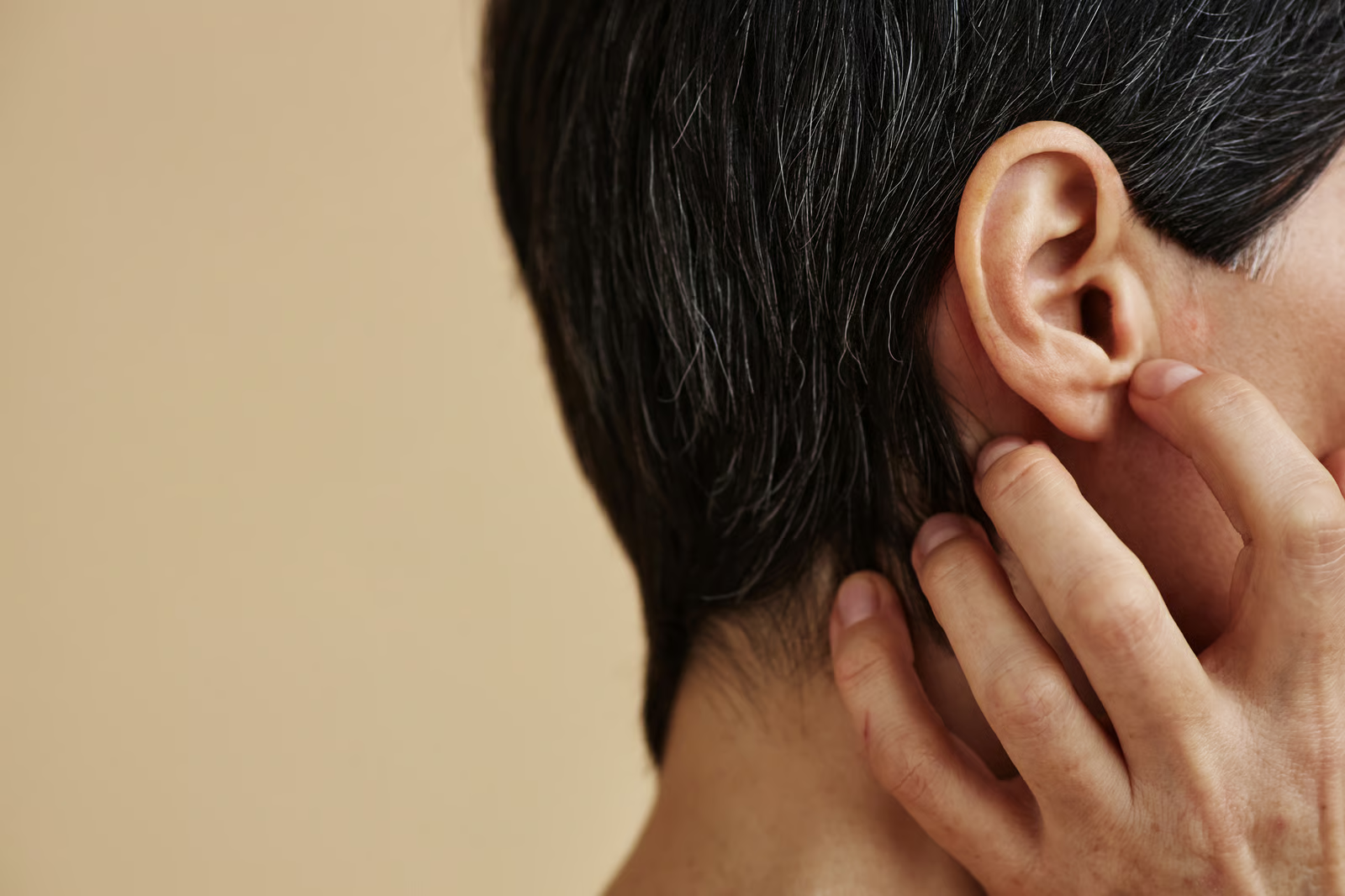
In medical science, tinnitus is defined as the conscious, subjective perception of a sound within one ear, both ears, or diffusely in the center of the head, in the absence of any genuine external sound source. The sound may have countless qualities: it is often described as buzzing, a high-pitched whistle (like a cicada or high-voltage electrical current), ringing, roaring, wind noise, escaping steam, or a rhythmic pulsating sound that follows the heartbeat.
The scientific community distinguishes two broad categories of tinnitus:
- Subjective Tinnitus: This accounts for 95% or more of all cases. The sound is perceived solely by the patient and cannot be recorded or heard by the examining physician. It is a “phantom of the auditory system,” a neural signal generated in the brain in response to a peripheral auditory dysfunction.
- Objective Tinnitus: This accounts for an extremely small proportion of cases (less than 5%). In these cases, there is a genuine internal bodily source of sound that a specialist may also hear by placing a stethoscope near the patient’s ear, temple, or neck. It usually originates from vascular abnormalities (such as carotid stenosis or arteriovenous malformations) or mechanical muscle spasms of the middle ear (myoclonus of the tensor tympani or stapedius muscle) and palate.
Hyperacusis, by contrast, is an abnormal, excessive sensitivity and intolerance to ordinary everyday environmental sounds that people with normal hearing perceive as entirely tolerable and harmless. For a patient with hyperacusis, sounds such as normal conversation, running tap water, cutlery striking a plate, a paper bag being crumpled, the hum of a refrigerator, or road traffic may seem excessively loud, deafening, unbearably intrusive, or even acutely painful, causing physical distress, an urge to escape, and social isolation.
The Relationship Between Tinnitus and Hyperacusis: “Central Auditory Gain”
Tinnitus and hyperacusis are not two entirely unrelated conditions that merely happen to coexist in the same person. Contemporary neurophysiology instead shows that they are two sides of the same coin, sharing a common pathophysiological mechanism in the brain known as “central auditory gain.”
Hearing begins in the cochlea of the inner ear, where thousands of microscopic sensory hair cells convert sound waves into electrical signals. These signals travel through the auditory nerve to the dorsal cochlear nucleus in the brainstem, then to the thalamus, and finally to the auditory cortex.
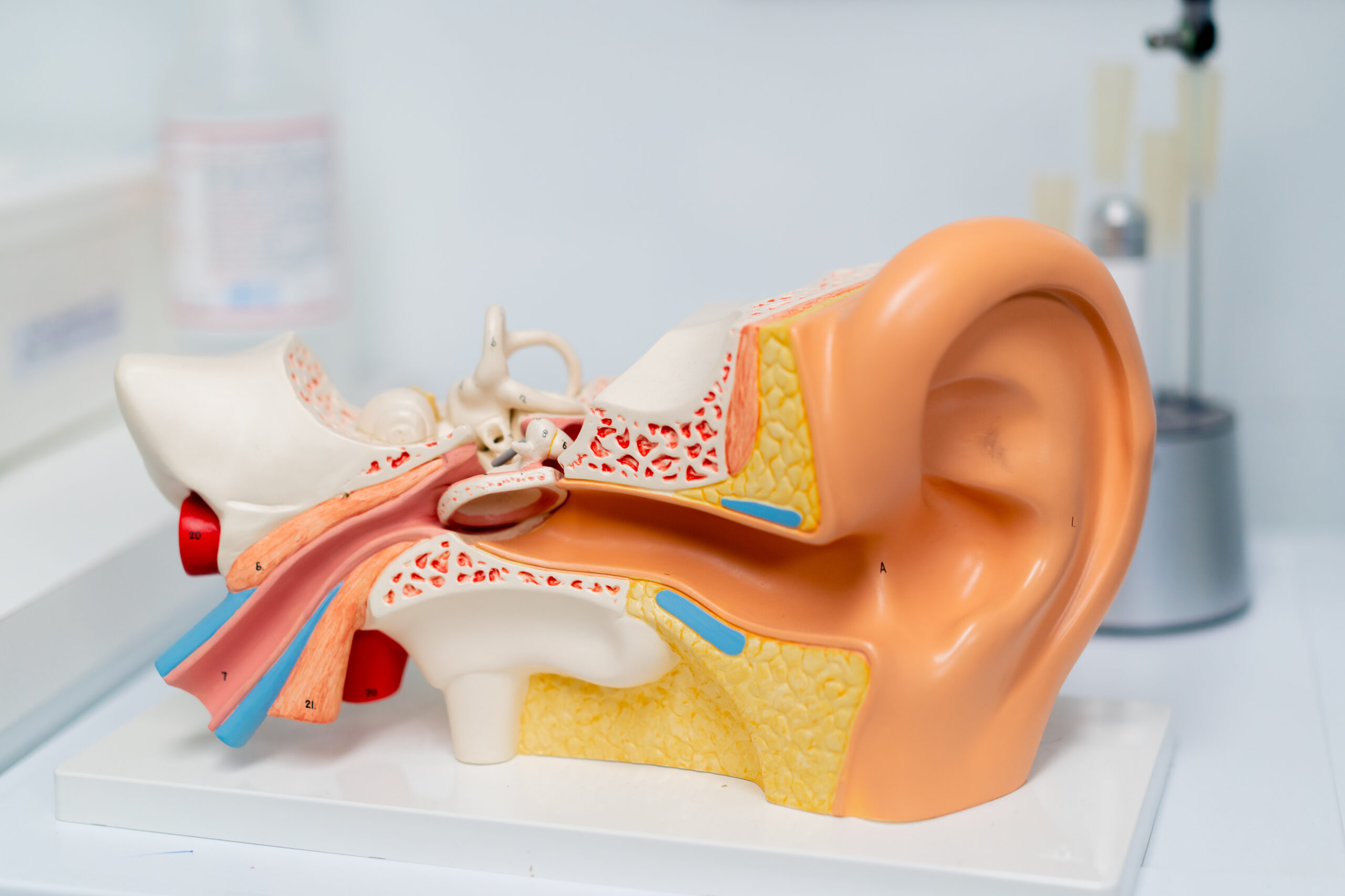
When these delicate cochlear hair cells are damaged or degenerate—because of age, exposure to loud noise, viral infection, or ototoxic medication—the flow of auditory information to the brain decreases.
In an attempt to compensate for this reduced auditory input (deafferentation), the brain reacts much like a sound engineer turning up the volume or gain on a microphone that is not picking up sound clearly. Auditory neurons in the brainstem and cortex increase their spontaneous baseline electrical activity and excitability as they attempt to detect even the faintest sounds.
This excessive increase in central neuronal sensitivity has two parallel effects:
- The spontaneous, uncontrolled electrical activity of auditory neurons is perceived by the brain as sound, creating the subjective sensation of tinnitus.
- When a genuine external sound of moderate intensity enters this hypersensitized, “maxed-out” auditory network, it is amplified disproportionately and forcefully, creating the painful sensation of hyperacusis.
It is important to note that a very large proportion of patients with tinnitus (as many as 40–50%) also have hyperacusis, while nearly 80–90% of patients with severe hyperacusis also experience tinnitus.
Clarifying the Concepts: Hyperacusis, Phonophobia, Misophonia, and Recruitment
For an accurate diagnosis and appropriate treatment planning at “EViasis,” true hyperacusis must be distinguished from other disorders of sound tolerance, which are often confused with one another:
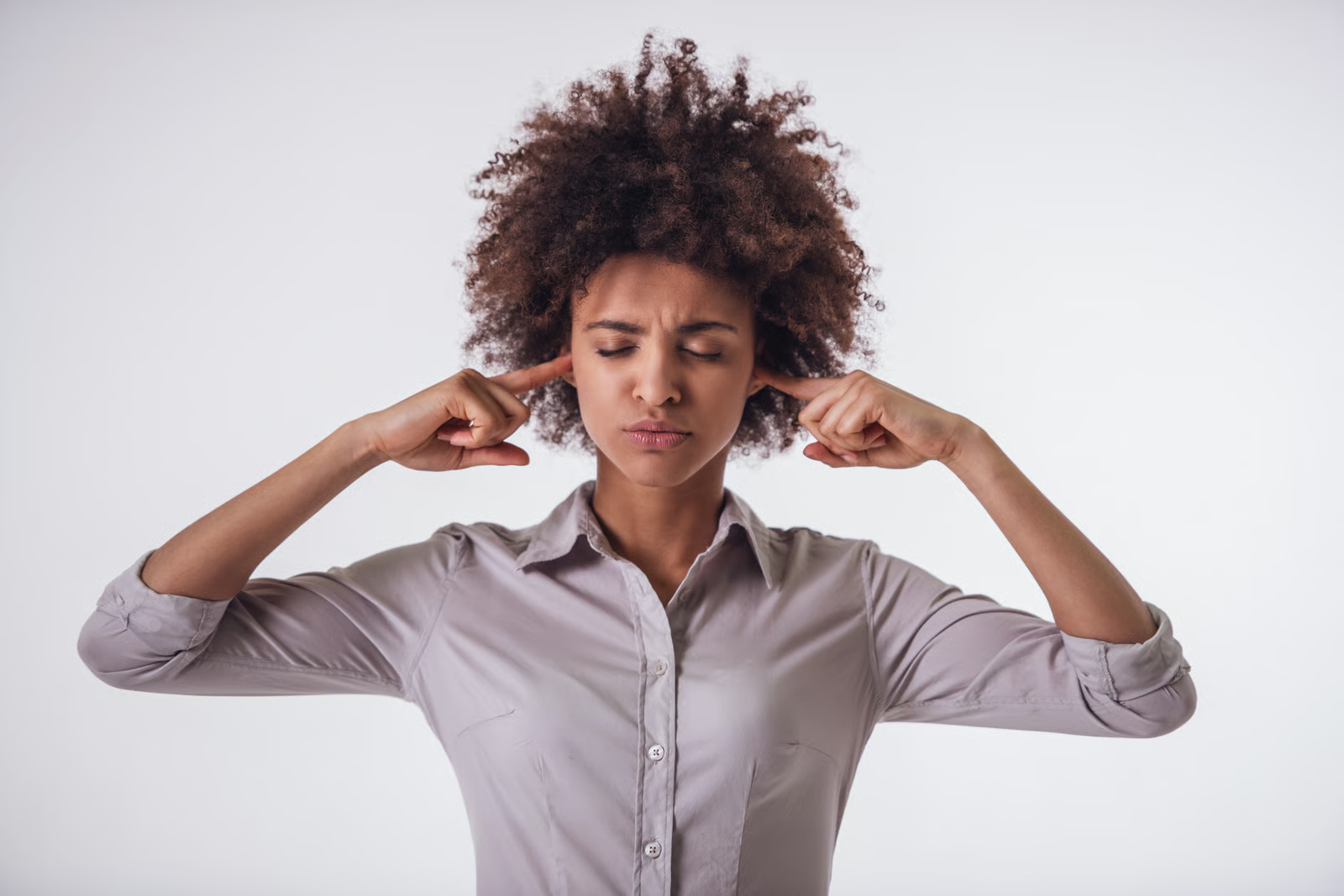
- True Hyperacusis: This is a physiological, neuroauditory hypersensitivity to the physical intensity or volume of sound. The patient is disturbed by sounds regardless of their source, simply because the auditory system amplifies them excessively and transforms them into unpleasant or painful stimuli.
- Phonophobia: This is an intense psychological aversion to and fear of particular sounds, usually because the patient fears that the noise will further damage the ears, worsen tinnitus, or trigger a migraine or vertigo attack. Anxiety and fear predominate in phonophobia, while the auditory pathways do not necessarily exhibit abnormal gain.
- Misophonia: This is a distinct neuropsychiatric syndrome in which the patient experiences an intense, immediate emotional reaction—anger, disgust, irritation, rage, or aggression—to particular trigger sounds, regardless of their volume. The most common triggers are sounds produced by the human body, such as chewing, breathing, sniffing, swallowing, finger tapping, or keyboard sounds. The same sound at the same intensity may cause no distress when it comes from a different source.
- Loudness Recruitment: This is a purely cochlear phenomenon observed in patients with sensorineural hearing loss caused by damage to the outer hair cells. The patient cannot hear whispers or low-level sounds, but once a sound exceeds the hearing threshold, perceived loudness increases extremely abruptly and disproportionately, shifting almost instantly from “I cannot hear it” to “it is unbearably loud.”
Etiology and Predisposing Factors in Tinnitus and Hyperacusis
Identifying the underlying cause is the foundation of the medical evaluation. Tinnitus and hyperacusis are not diseases in themselves, but symptoms that may be triggered by an exceptionally broad range of otological, neurological, vascular, musculoskeletal, and psychosomatic factors:

Otological and Audiological Causes (Disorders of the Inner and Middle Ear)
- Acoustic Trauma and Noise-Induced Damage: Exposure to sudden deafening noise (such as a gunshot, explosion, firecracker, or industrial noise) or chronic exposure to loud music (concerts, nightclubs, or headphones at high volume) irreversibly damages the delicate cochlear hair cells and is a leading cause of tinnitus in young people.
- Presbycusis: Age-related degeneration of the auditory nerve and inner ear, which generally begins after the fifth or sixth decade of life, initially presents as reduced high-frequency hearing and is almost always accompanied by a persistent high-pitched ringing in the ears.
- Ménière’s Disease (Endolymphatic Hydrops): Abnormally increased fluid pressure within the labyrinth causes fluctuating low-frequency hearing loss, episodes of severe rotational vertigo, and characteristic low-frequency tinnitus resembling wind, machinery, or a whistle, which intensifies before each vertigo attack.
- Otosclerosis: This degenerative disorder of the middle-ear ossicles, particularly fixation of the stapes, causes progressive conductive hearing loss and is very often accompanied by intense, distressing tinnitus.
- Inflammation and Mechanical Obstruction: Acute or chronic otitis media, fluid in the middle ear (otitis media with effusion), Eustachian tube dysfunction, cholesteatoma, and simple obstruction of the external auditory canal by impacted cerumen (earwax) alter acoustic impedance and may trigger tinnitus.
- Ototoxic Medications: Certain classes of medication directly damage the sensory cells of the ear. Ototoxic agents include aminoglycoside antibiotics (gentamicin, amikacin), loop diuretics (furosemide), certain chemotherapeutic drugs (cisplatin, carboplatin), and excessively high doses of aspirin or nonsteroidal anti-inflammatory drugs.
Somatosensory and Musculoskeletal Tinnitus
Somatosensory tinnitus is an extremely important and frequently underdiagnosed area of neurotology. In the dorsal cochlear nucleus of the brainstem, the auditory system receives direct neural connections and sensory input from the cervical nerves and from the trigeminal nerve, which supplies the face and jaw.
Cervical Syndrome and Cervical Spine Disorders: Degenerative cervical spondyloarthropathy, herniated intervertebral discs, whiplash syndromes after accidents, and severe muscle spasm involving the suboccipital, paraspinal, sternocleidomastoid, and trapezius muscles (because of stress or prolonged poor posture in front of screens—“text neck”) send abnormal neural signals to the brainstem, altering, intensifying, or triggering tinnitus.
A characteristic feature is that the intensity or quality of the tinnitus changes when the patient moves the neck or presses particular myofascial trigger points.
- Temporomandibular Joint (TMJ) Dysfunction and Bruxism: Clenching or grinding the teeth during sleep (bruxism), together with arthritis or displacement of the temporomandibular joint disc, creates chronic inflammation and spasm in the masseter and temporalis muscles, which lie immediately adjacent to the external auditory canal. This can cause tinnitus, a sensation of blockage, and ear pain.
Vascular Causes and Pulsatile Tinnitus
When a patient describes a rhythmic sound that is perfectly synchronized with the heartbeat, the vascular system of the head and neck must always be investigated:
- Atherosclerosis, stenosis, or aneurysm of the carotid or vertebral arteries.
- Arteriovenous malformations, abnormalities of the sigmoid sinuses, and a high-riding jugular bulb.
- Idiopathic Intracranial Hypertension (Pseudotumor Cerebri): This is seen most often in young or middle-aged women with increased body weight and may present with pulsatile tinnitus, headaches, and visual disturbances.
- Paragangliomas and tumors of the jugular bulb (glomus tumors) in the middle ear.
- Systemic arterial hypertension or severe anemia, which increases the velocity and turbulence of blood flow.
Neurological Causes and Tumors
- Acoustic Neuroma (Vestibular Schwannoma): A benign, slow-growing tumor of the eighth cranial nerve within the internal auditory canal or cerebellopontine angle. Its classic, characteristic presentation is unilateral asymmetric hearing loss accompanied by unilateral tinnitus in the same ear, with or without a sense of imbalance.
- Demyelinating disorders (multiple sclerosis), meningitis, brainstem stroke, and traumatic brain injury.
The Role of Stress, Anxiety, and the Limbic System
Anxiety, chronic stress, depression, and panic attacks are not necessarily the original physical source of tinnitus, but they are among the strongest factors in its amplification, persistence, and chronicity. The brain contains a close, direct neural connection between the auditory cortex and the limbic system—the amygdala and hippocampus—which regulates emotion, fear, and stress, as well as the autonomic nervous system, including adrenaline and the fight-or-flight response.
When a patient first hears tinnitus, interpreting it as a threat (“my brain has been damaged,” “it will never stop,” or “I am going to lose my mind”) activates an alarm response in the amygdala. Adrenaline is released, anxiety constricts the vessels of the inner ear, the brain’s attention becomes fixed on the sound, and the sound is encoded in memory as a dangerous stimulus.
This creates a self-perpetuating cycle of distress and panic in which anxiety intensifies tinnitus and tinnitus, in turn, intensifies anxiety.
Clinical Presentation and Warning Signs (Red Flags)
The clinical experience of tinnitus and hyperacusis ranges from a mild, subtle disturbance in complete silence to an unbearable, continuous, debilitating condition that profoundly affects quality of life:

- Symptoms of Tinnitus:
- Continuous or intermittent perception of sound, such as buzzing, whistling, “wind,” cicadas, ringing, or pulsation.
- Worsening at night, at bedtime, and in quiet environments, resulting in severe insomnia, difficulty falling asleep, and frequent awakenings.
- Mental fatigue, difficulty concentrating at work or while studying, impaired memory, marked irritability, and a persistent sense of internal tension.
- A sensation of fullness, pressure, heaviness, or blockage in the ear, often accompanied by a perceived reduction in hearing clarity.
- Symptoms of Hyperacusis:
- Severe physical discomfort, irritation, and an immediate urge to leave when exposed to moderate- or high-intensity environmental sounds, such as cafés, restaurants, road traffic, children’s voices, television, or kitchen noise.
- A sensation of sharp pain, stabbing discomfort, or a physical vibration deep within the ear when a sudden sound occurs.
- Social isolation and agoraphobia: the patient systematically avoids social events, remains at home, and begins to use earplugs continuously and excessively, which can further increase the brain’s sensitivity to sound.
Warning Signs: When Tinnitus and Hyperacusis Require Urgent Assessment (Red Flags)
Although most tinnitus is associated with benign auditory conditions, specific clinical warning signs—“red flags”—may indicate a serious underlying structural, vascular, or neurological disorder. The presence of any of the following symptoms requires prompt, urgent medical and imaging assessment:
- Strictly Unilateral Tinnitus: Buzzing or ringing that begins, persists, and remains confined to one ear, particularly when accompanied by asymmetric hearing loss in the same ear. This clinical combination warrants magnetic resonance imaging of the brain and temporal bones to exclude an acoustic neuroma.
- Pulse-Synchronous Tinnitus: A rhythmic sound that precisely follows the heartbeat may indicate a vascular lesion, arteriovenous malformation, carotid stenosis, or increased intracranial pressure.
- Sudden Sensorineural Hearing Loss: Sudden loss of hearing in one ear over a period of hours or a few days, accompanied by intense tinnitus and a blocked-ear sensation, is an absolute otological emergency that requires prompt initiation of corticosteroid treatment within the first 48–72 hours in an effort to preserve hearing.
- Associated Neurological Symptoms: Tinnitus accompanied by rotational vertigo, imbalance, diplopia (double vision), facial numbness or paralysis, dysarthria, dysphagia, severe headache, or generalized muscle weakness.
- Severe Psychological Decompensation and Suicidal Ideation: A patient experiencing extreme despair, severe depression, insomnia, or suicidal thoughts because of intolerable tinnitus requires immediate multidisciplinary neurotological and psychiatric intervention.
Diagnostic Approach & Specialized Audiological and Neurotological Assessment at “EViasis”
At the specialized Neurotology Department of EViasis Medical Center in Marousi, tinnitus and hyperacusis are investigated through a rigorous, comprehensive, evidence-based diagnostic protocol using advanced audiological and neurotological equipment:
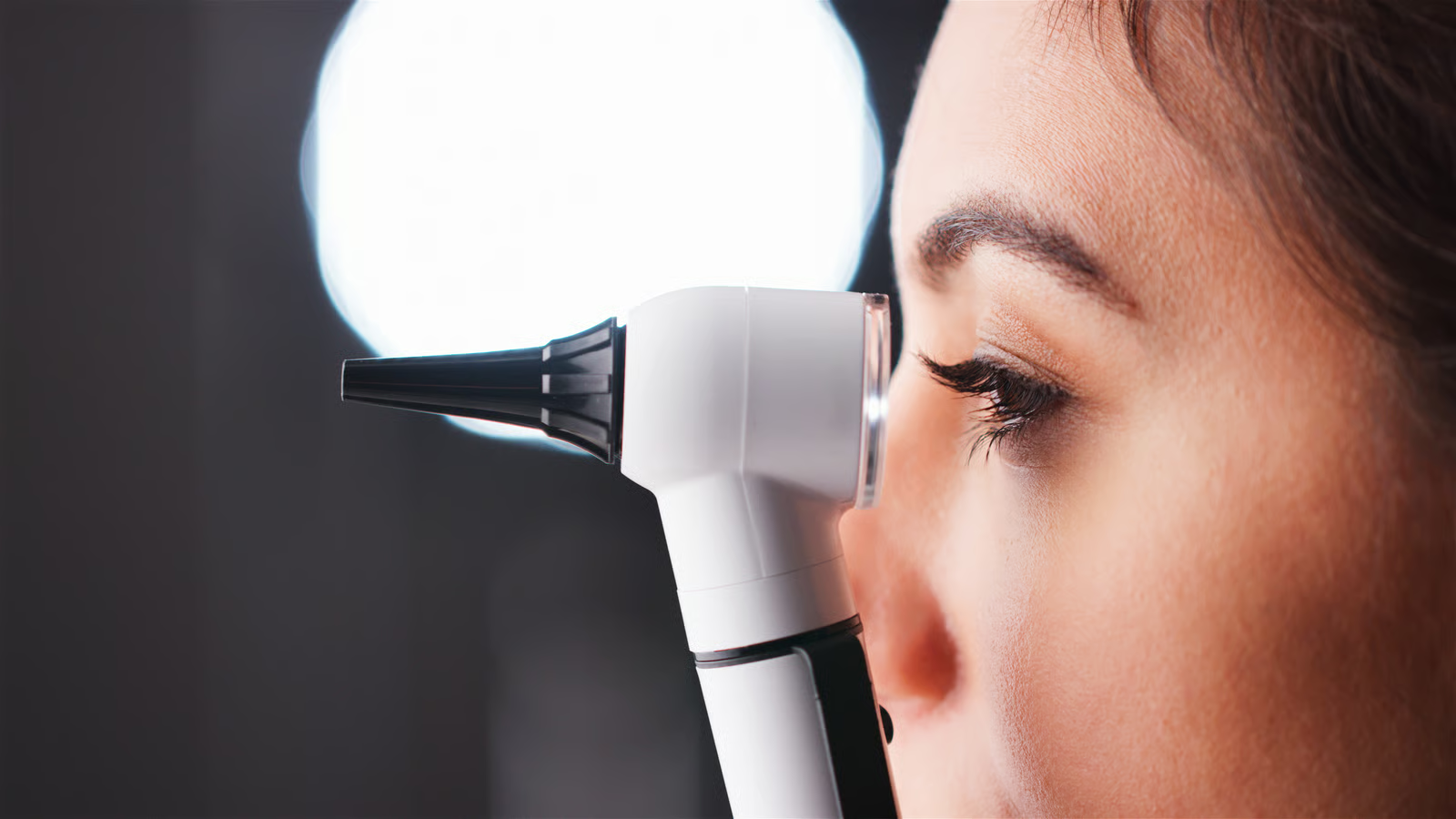
- 1. Detailed Otological, Neurological, and Psychosomatic History: The assessment records the precise onset (acute, subacute, or chronic tinnitus), laterality (right, left, or bilateral), exact character and pitch of the sound, association with neck or jaw movement, noise exposure, history of infection, current medication, and—critically—the effect of tinnitus on sleep and mood. Validated clinical questionnaires may include the Tinnitus Handicap Inventory (THI), Tinnitus Functional Index (TFI), and Hyperacusis Questionnaire (HQ).
- 2. Clinical Otomicroscopy and HD Nasopharyngoscopy: A detailed, painless examination of the external auditory canal and tympanic membrane under magnification to exclude impacted cerumen, tympanic membrane perforation, otitis media, or vascular middle-ear masses such as glomus tumors, together with nasopharyngeal endoscopy to assess the Eustachian tubes.
- 3. Comprehensive Specialized Audiological Assessment:
- Pure-Tone and Speech Audiometry in a Sound-Treated Booth: Hearing is measured across the conventional frequencies (250 Hz to 8,000 Hz) to identify and grade any underlying hearing loss.
- High-Frequency Audiometry (up to 16,000 Hz): An especially valuable test for patients who report tinnitus despite a “normal” conventional audiogram. It can detect early, hidden injury to the hair cells at the base of the cochlea that may underlie high-frequency tinnitus.
- Tympanometry and Acoustic Reflex Testing: Assessment of middle-ear and ossicular function to exclude fluid, otosclerosis, or myoclonus.
- 4. Otoacoustic Emissions (OAEs—TEOAEs & DPOAEs): An objective electrophysiological assessment of the integrity and micromechanical function of the cochlear outer hair cells. It is a highly sensitive method for detecting early cochlear damage, well before a threshold shift becomes apparent on the audiogram.
- 5. Standardized Psychoacoustic Characterization of Tinnitus (Pitch & Loudness Matching / MML / Residual Inhibition): Specialized psychoacoustic measurements are performed in the sound-treated booth:
- Pitch Matching: The frequency (Hz) that most closely matches the patient’s tinnitus is identified precisely—for example, 4,000 Hz, 6,000 Hz, or 8,000 Hz.
- Loudness Matching: The perceived loudness of the tinnitus is measured. It is usually only 3–10 dB above the patient’s hearing threshold, even though limbic-system distress may make it feel deafening.
- Minimum Masking Level (MML): The minimum intensity of external sound required to cover or “mask” the tinnitus is determined; this is an important parameter when selecting sound therapy.
- Residual Inhibition Testing: This evaluates whether the patient’s tinnitus decreases or temporarily disappears after one minute of exposure to a specific white-noise stimulus.
- 6. Specialized Assessment of Hyperacusis (Loudness Discomfort Levels—LDLs): Sound-discomfort levels are established carefully and safely at each frequency. A person without hyperacusis generally becomes uncomfortable above 90–100 dB. In a patient with hyperacusis, discomfort levels may fall markedly below 70, 60, or even 50 dB.
- 7. Neurotological Balance Assessment (When Vertigo or Dizziness Coexists): Videonystagmography (VNG) with caloric testing, the video Head Impulse Test (v-HIT), and vestibular evoked myogenic potentials (VEMPs) may be used to investigate Ménière’s disease or vestibular dysfunction.
- 8. Targeted Imaging, Vascular, and Laboratory Assessment:
- Magnetic resonance imaging of the brain, temporal bones, and internal auditory canals (MRI/MRA) with gadolinium contrast for unilateral tinnitus, asymmetric hearing loss, and exclusion of an acoustic neuroma.
- Duplex ultrasound of the carotid and vertebral arteries and magnetic resonance or computed tomography angiography (MRA/MRV/CTA) in cases of pulsatile, pulse-synchronous tinnitus.
- Specialized hematological and metabolic testing, including hematocrit, lipids, vitamin D, vitamin B12, folate, thyroid hormones (TSH/FT4), glucose, zinc, and magnesium.
Holistic and Innovative Treatment Protocols at “EViasis”
Treatment of tinnitus and hyperacusis at EViasis Medical Center in Marousi is strictly individualized and multimodal. It aims to restore inner-ear homeostasis, modulate neural activity in the brainstem, and disengage the limbic system, with the goal of meaningful, sustained relief:

1. Photobiomodulation with Low-Level Laser Therapy (EY-LLLT)
At our center, we use innovative, painless, noninvasive low-level laser photobiomodulation (EY-LLLT) for the natural support and regeneration of the inner ear. Therapeutic light of a specific wavelength is delivered through a specialized probe in the external auditory canal and over the mastoid process, penetrating deeply toward the cochlea and auditory nerve:
- Mitochondrial Biostimulation (ATP): Light is absorbed by cellular mitochondria, increasing adenosine triphosphate (ATP) production and accelerating cellular repair mechanisms in damaged hair cells and nerve endings.
- Local Microcirculation and Oxygenation: Vasodilation of the cochlea’s microvasculature, including the stria vascularis, markedly increases blood flow and oxygen delivery and supports removal of reactive metabolites from the inner ear.
- Anti-inflammatory and Neuromodulatory Action: It reduces neurogenic edema and modulates auditory-fiber hyperexcitability, providing an immediate reduction in the intensity of recent and chronic tinnitus, clearer hearing, and less aural fullness, without any pharmacological adverse effects.
2. Medical Acupuncture, Electroacupuncture, and Auricular Acupuncture
Medical acupuncture is one of the most powerful, scientifically documented, nonpharmacological treatments for tinnitus and hyperacusis, particularly when symptoms are associated with somatosensory, cervical, or stress-related factors. At “EViasis,” treatment is provided exclusively by the Scientific Director, an ENT surgeon, neurotologist, and certified medical acupuncturist Dr Christina Efthymiou:
- Improving Labyrinthine Blood Flow: Painless placement of sterile, single-use needles at defined anatomical and vasomotor points around the ear (including TE17, TE21, SI19, and GB2), scalp, and neck produces local vasodilation and increases the delivery of blood and nutrients to the cochlea.
- Releasing Cervical and Jaw Muscle Spasm (Somatosensory Tinnitus): Body acupuncture and low-frequency electroacupuncture immediately release chronic muscle spasm and myofascial trigger points in the neck, spine, and temporomandibular region. This stops abnormal excitatory input to the dorsal cochlear nucleus, markedly reducing tinnitus and the accompanying sensation of tension.
- Regulating the Autonomic Nervous System and Anxiety: Acupuncture stimulates parasympathetic activity and the release of endorphins, serotonin, and melatonin, rapidly lowering cortisol and adrenaline. It interrupts the amygdala–anxiety–tinnitus cycle, provides profound psychophysiological calm, and restores normal, restorative sleep.
- Auricular Acupuncture: Microscopic semipermanent needles are placed at reflex points in the ear to provide continuous neuromodulatory and anxiolytic stimulation throughout the day, including while the patient is at home.
3. Tinnitus Retraining Therapy (TRT) & Sound Therapy
Tinnitus Retraining Therapy (TRT), based on Professor P. Jastreboff’s neurophysiological model, is the most established method worldwide for definitively uncoupling tinnitus and hyperacusis from emotion and memory. At “EViasis,” TRT combines two fundamental components:
- Targeted Neurotological Counseling and Cognitive Desensitization: The physician explains the mechanism of tinnitus in detail, addresses fears and perceived danger, and trains the brain to remove the “danger label” from the sound. When the brain recognizes tinnitus as a harmless signal, like the hum of a refrigerator or air conditioner, it activates the normal process of habituation. The patient gradually stops attending to it, subconscious filtering suppresses it, and tinnitus “fades” from everyday awareness.
Sound Therapy and Sound Enrichment: Complete silence is the worst enemy of tinnitus and hyperacusis because, in darkness and quiet, the brain turns central auditory gain to its maximum. The patient learns to enrich the environment continuously with gentle, pleasant, neutral sounds—such as white noise, pink noise, rain, waves, or forest sounds—at a level slightly below the tinnitus.
In hyperacusis, progressive, gradually intensified sound therapy desensitizes the auditory pathways, restores sound-tolerance levels to the normal range, and eliminates sound-induced pain.
4. Hearing Rehabilitation with Modern Hearing Aids and Sound Generators
When tinnitus or hyperacusis coexists with confirmed hearing loss, the treatment of choice is prompt fitting of advanced digital hearing aids. Modern hearing aids have a dual role:
- They fully restore the patient’s hearing by returning missing auditory information to the brain. Once the brain again receives appropriate external input, it automatically reduces central auditory gain and the tinnitus decreases markedly or disappears.
- They include specialized tinnitus sound-therapy programs (tinnitus maskers, fractal sounds, or Zen programs) that produce subtle, relaxing melodic sounds to cover the internal tinnitus and calm the auditory system.
5. Rational Pharmacotherapy and Targeted Nutraceuticals
It is important to clarify that there is no “magic pill” that selectively eliminates tinnitus. Targeted pharmacotherapy nevertheless has defined indications and forms part of our protocol:
- During the Acute Phase of Acoustic Trauma or Sudden Hearing Loss: Corticosteroids are administered promptly—either oral corticosteroids or intratympanic dexamethasone injections—to suppress cochlear edema as quickly as possible.
- Vasodilator and Neuromodulatory Medication: Betahistine (Serc, Histimed) is used for its regulatory effect on inner-ear microcirculation and in Ménière’s disease.
- Supplements Supporting Cerebral and Cochlear Metabolism: International studies support the beneficial effects of substances intended to protect the auditory nerve:
- Ginkgo Biloba Extract: Improves microcirculation and oxygen delivery within the labyrinth.
- Magnesium and Zinc: Protect against neurotoxicity and stabilize neural membranes.
- Vitamin B12, Folic Acid, and B-Complex Vitamins: Important for myelination and nerve regeneration.
- Melatonin: Effectively regulates sleep and reduces the perception of tinnitus at night.
6. Physical Therapy and Temporomandibular Rehabilitation
For patients with documented somatosensory tinnitus, the treatment plan includes collaboration with specialist physiotherapists to relieve cervical muscle spasm and correct ergonomic posture, together with specialized dental splints (occlusal splints for bruxism) fitted by maxillofacial surgeons or dentists to unload the temporomandibular joint.
Prevention, Hearing Protection, Nutrition, and Quality-of-Life Guidance
Daily protection of the auditory system and the adoption of appropriate habits are essential for stabilizing symptoms and preventing recurrence:

Hearing Protection and Noise Management
- Protection from Harmful Noise: Avoid exposure to deafening environmental noise. Always wear certified specialist ear protection—or musician’s earplugs with flat attenuation—at concerts, clubs, stadiums, or in noisy industrial workplaces.
- Safe Headphone Use: When listening to music through headphones, particularly in-ear devices, follow the “60/60 rule” strictly: use no more than 60% of the device’s maximum volume and listen for no longer than 60 minutes continuously.
- DO NOT Wear Earplugs During Quiet Everyday Activities (If You Have Hyperacusis): Continuous use of earplugs at home, on the street, or at work because of fear of sound is a serious mistake. It forces the brain to increase its sensitivity further (central gain), worsening both hyperacusis and tinnitus.
Nutrition Guidance
- Limit Salt (Sodium): Salt causes fluid retention and increases endolymphatic pressure in the inner ear, particularly in Ménière’s disease. Daily intake should not exceed 1,500–2,000 mg. Avoid processed meats, salted foods, canned foods, hard cheeses, and salty snacks.
- Moderate Caffeine and Alcohol: Excessive coffee, energy drinks, and alcohol cause vasoconstriction and increase nervous-system excitability.
- Stop Smoking: Nicotine markedly reduces cochlear blood flow.
- Maintain Consistent Hydration: Drink 2–2.5 liters of water each day.
Sleep Hygiene and a Healthy Sound Routine
- Never Sleep in Complete Silence: Keep a subtle sound source in the bedroom—such as a small fan, tabletop fountain, sound generator, or mobile application playing low-level white noise or rain sounds—to fill the acoustic void and help the brain shift attention away from internal tinnitus.
About Dr Christina Efthymiou & EViasis Medical Center
EViasis Medical Center for Otolaryngology, Neurotology, and Medical Acupuncture (ent.gr), based in Marousi, Attica, is an advanced referral center for accurate diagnosis, specialized audiological assessment, and comprehensive, holistic treatment of tinnitus, hyperacusis, hearing loss, vertigo, and the full spectrum of auditory and vestibular disorders.
The Scientific Director of “EViasis,” Dr Christina Efthymiou, is an ENT surgeon, specialist neurotologist, and certified medical acupuncturist. She has extensive clinical, hospital, surgical, and research experience at leading medical centers in Greece and abroad, with advanced expertise in inner-ear disorders, neurotology, psychoacoustic assessment, Tinnitus Retraining Therapy (TRT), and holistic photobiological modulation of the auditory nerve using low-level laser therapy (EY-LLLT) and medical acupuncture.

The philosophy of “EViasis” places the patient, psychological relief, and quality of life at its absolute center. Dr Christina Efthymiou approaches every patient with tinnitus or hyperacusis with deep empathy, avoiding superficial assessments and the discouraging statement that “nothing can be done.” She devotes all the clinical time required to take a detailed history, conduct advanced audiological and high-frequency testing, and match the patient’s tinnitus in a sound-treated booth. Her distinctive ability to combine contemporary Western neurotology with innovative EY-LLLT photobiomodulation protocols, medical acupuncture, TRT, and hearing rehabilitation guarantees a realistic, safe, and effective path toward relief and freedom from distressing sounds.
Why Choose the Tinnitus & Hyperacusis Department at “EViasis” in Marousi
- Complete Neurotological Expertise in Marousi: Thorough investigation, differential diagnosis, and treatment of every form of subjective, objective, and somatosensory tinnitus and sound intolerance.
- Advanced Audiological and Diagnostic Equipment: Specialized testing can be completed at one location, including high-frequency audiometry, otoacoustic emissions (OAEs), pitch and loudness matching, MML, LDLs, tympanometry, and VNG.
- Innovative EY-LLLT Photobiomodulation: Pioneering application of painless low-level laser therapy to the ear and mastoid for immediate mitochondrial regeneration, improved microcirculation, and cochlear relief without medication or adverse effects.
- Certified Medical Acupuncture & Auricular Acupuncture: Approved protocols are delivered exclusively by a specialist physician to release cervical and jaw spasm and immediately regulate limbic-system anxiety and insomnia.
- Individualized Tinnitus Retraining Therapy (TRT): Scientific guidance, counseling to dispel fear, and sound therapy designed to achieve definitive cerebral habituation.
- Comprehensive, Continuous Follow-up: Support at every stage of treatment until calm, restful sleep, and an active social life are fully restored.
Access, Contact, and Patient Services
The “EViasis” Model Medical Center is located in a modern, comfortable, and easily accessible area of Marousi, Attica, serving patients daily both from Marousi and from across the Northern Suburbs—including Kifisia, Chalandri, Vrilissia, Melissia, Pefki, Lykovrysi, Psychiko, Filothei, Neo Irakleio, and Agia Paraskevi—as well as from throughout the Athens metropolitan area. For detailed information about the available Neurotology, Audiology, Tinnitus, Vertigo, and Medical Acupuncture services, and to schedule your personal appointment with Dr Christina Efthymiou, please visit the practice’s official website at https://ent.gr/.
Comprehensive Frequently Asked Questions (FAQ)
The following is a detailed, evidence-informed medical guide answering common and important patient questions and addressing every likely concern about tinnitus, hyperacusis, and the contemporary holistic treatments available at “EViasis.”

What is the essential difference between tinnitus and hyperacusis?
Tinnitus (buzzing or whistling sounds in the ears) is the subjective perception of a sound within the ear or head when no actual external sound source is present. It is an internal auditory stimulus generated by the auditory and nervous systems. Hyperacusis, by contrast, is a pathological, excessive sensitivity and intolerance to real, external everyday sounds (such as speech, running water, or clattering dishes), which are perceived as unbearably loud, distressing, or even painful.
The two conditions very often coexist in the same patient because of increased central sensitivity in the brain.
Is tinnitus a disease in its own right or a symptom, and does it pose a risk to my health?
Tinnitus is not a disease in itself; it is an underlying clinical symptom that indicates a change or dysfunction in the auditory, nervous, or vascular system. In the overwhelming majority of cases, tinnitus is benign and harmless: it is not life-threatening and does not cause a stroke or psychiatric illness. Nevertheless, a complete audiological and neurotological assessment at “EViasis” is essential to exclude rare organic disorders and begin treatment promptly.
Why do buzzing and whistling sounds seem much louder at night when I lie down in bed?
Night-time worsening does not mean that ear damage becomes more severe in the evening. It is caused by the complete quiet of the bedroom and the absence of external environmental noise. During the day, everyday sounds (conversation, traffic, and work) “mask” and compete with the internal buzzing.
At night, in darkness and silence, the auditory brain raises its “auditory gain” to the maximum in order to hear, dramatically amplifying the internal tinnitus. This is why we recommend never sleeping in complete silence, but instead using gentle white noise or rain sounds in the room.
Can severe anxiety, stress, and panic attacks cause or intensify tinnitus?
Absolutely, yes. Psychological anxiety and chronic stress are directly linked to tinnitus through the close neuronal connection between the auditory cortex, the limbic system (amygdala/hippocampus), and the autonomic nervous system (adrenaline). When a patient becomes anxious, adrenaline causes vasoconstriction in the ear and places the brain in a state of alarm.
The brain focuses obsessively on the noise and interprets it as a threat, causing the sound to escalate into intense overactivation. Medical acupuncture and counseling at our center effectively break this vicious cycle of stress.
What is pulsatile tinnitus, and when should I seek urgent medical attention (red flags)?
Pulsatile tinnitus is tinnitus perceived as a rhythmic, pulsating noise that follows the patient’s heartbeat or pulse exactly. It always requires prompt and meticulous medical and imaging assessment (carotid duplex ultrasonography, MRA/MRV), because it may indicate vascular pathology such as narrowing of the neck arteries, an aneurysm, an arteriovenous malformation, raised intracranial pressure (benign intracranial hypertension), or highly vascular tumors of the middle ear (glomus tumors).
How can a neck problem or clenching my teeth during sleep cause tinnitus?
This is somatosensory tinnitus. The dorsal cochlear nucleus in the brain, where the auditory nerve terminates, receives direct neural connections and information from the nerves of the cervical spine and from the trigeminal nerve supplying the jaw. When cervical syndrome, a herniated disc, trauma, or bruxism (clenching/grinding the teeth) with temporomandibular-joint problems is present, painful muscle spasms and trigger points in the suboccipital, trapezius, and masticatory muscles send abnormal excitatory signals to the cochlear nucleus, irritating it and intensifying the buzzing. Releasing these spasms with medical acupuncture and electroacupuncture performed by Dr Christina Efthymiou markedly reduces this form of tinnitus.
What is Tinnitus Retraining Therapy (TRT), and how does it help the brain forget the sound?
Tinnitus Retraining Therapy (TRT) is the leading scientific method for managing tinnitus and hyperacusis. It is not based on medication, but on harnessing the brain’s neuroplasticity. It combines specialized medical counseling (educating the patient to remove the “danger label” from the sound and calm the limbic system) with sound therapy (auditory enrichment).
Once the brain understands that tinnitus is a harmless signal, it activates the mechanism of habituation: the subconscious filter stops sending the sound into conscious awareness, and the patient ceases to hear or notice it in everyday life.
How does the innovative EY-LLLT laser photobiomodulation treatment work in the ear?
Low-level laser photobiomodulation (EY-LLLT—Low-Level Laser Therapy) is a painless, non-invasive, cutting-edge medical method used at “EViasis.” The specialized therapeutic laser light is applied safely to the external auditory canal and mastoid and:
- Stimulates cellular mitochondria and dramatically increases ATP energy production, accelerating healing and regeneration of damaged hair cells and nerves in the cochlea.
- Rapidly increases blood microcirculation and oxygenation in the inner ear, facilitating toxin removal.
- Regulates hyperexcitability of the auditory nerve, effectively reducing tinnitus intensity and the pain of hyperacusis without any adverse effects.
Can medical acupuncture and auricular acupuncture genuinely reduce buzzing in the ears?
Yes, with particularly high success rates, especially for tinnitus associated with stress, cervical syndrome, Ménière’s disease, or vasomotor disorders of the ear. The certified medical acupuncturist and ENT surgeon Dr Christina Efthymiou uses specialized protocols:
- Placing needles at defined points around the ear, neck, and limbs causes vasodilation and increases the flow of blood and oxygen to the labyrinth.
- It immediately releases painful cervical and jaw-muscle spasms, eliminating somatosensory tinnitus.
- It regulates the autonomic nervous system and reduces stress hormones, promoting psychophysical calm, reducing the brain’s amplification of the noise, and restoring sleep.
Are there specific medications or vitamins (supplements) that treat tinnitus?
There is no single medication that can magically “switch off” tinnitus. However, rational, targeted pharmacotherapy and evidence-based supplements (nutraceuticals) provide significant support for neural recovery in the inner ear:
- In recent acoustic trauma or sudden hearing loss, corticosteroids (cortisone) are administered promptly.
- In circulatory disorders and Ménière’s disease, betahistine (Serc) and vasodilators are administered.
- International studies support the beneficial use of Ginkgo biloba (to improve cochlear microcirculation), magnesium and zinc (for neuroprotection against toxicity), vitamin B12 and B-complex vitamins (for nerve regeneration), and melatonin (to regulate sleep and reduce night-time noise).
How do modern hearing aids help patients who have both hearing loss and tinnitus?
When tinnitus coexists with hearing loss, state-of-the-art digital hearing aids are the treatment of choice, with impressive results:
- They fully restore hearing by once again delivering normal environmental sounds to the brain. As soon as the auditory cortex receives the correct stimuli, it automatically reduces “central auditory gain,” and the tinnitus decreases dramatically or disappears.
- They include integrated specialized tinnitus sound generators (tinnitus maskers/Zen sound therapy), which emit gentle, relaxing melodic sounds that mask the internal buzzing and calm the auditory nerve.
What are the appropriate dietary recommendations for a patient with tinnitus and Ménière’s disease?
Daily nutrition directly affects fluid balance and microcirculation in the ear:
- Strict Salt (Sodium) Restriction: Salt causes fluid retention and raises endolymphatic pressure in the inner ear, worsening tinnitus and triggering vertigo. Daily intake should not exceed 1,500–2,000 mg (avoid processed meats, salt-cured foods, canned foods, and salty cheeses).
- Consistent Hydration: Drink 2–2.5 liters of plain water every day.
- Limit Caffeine and Alcohol: Excessive coffee, energy drinks, and alcohol cause vasoconstriction and hyperexcitability in the nervous system.
- Smoking Cessation: Nicotine causes spasm and ischemia in the cochlear capillaries.
Why should I not wear earplugs at home when I have hyperacusis?
Using earplugs in quiet, everyday settings (at home, in the office, or on the street) because of fear of sounds is the greatest mistake in managing hyperacusis. When you block your ears in a normal environment, you deprive the brain of auditory information.
In response, the auditory brain increases its sensitivity even further (central gain) as it attempts to hear. Consequently, when you remove the earplugs, sounds will seem even more deafening and painful, while your tinnitus will sound much stronger. Earplugs should be used only in genuinely noisy, extremely loud environments (concerts, industrial settings, or stadiums).
What is the difference between hyperacusis, phonophobia, and misophonia?
Hyperacusis is a physiological-neuroauditory hypersensitivity to the physical volume of sounds: the patient is troubled by all loud sounds because of pathological amplification in the ear and brainstem. Phonophobia is a psychological fear of sounds, usually arising from concern that they will damage the ear or trigger a vertigo attack.
Misophonia is a neuropsychiatric reaction of rage, anger, and disgust to specific individual sounds (trigger sounds), usually human sounds such as chewing, breathing, or sniffling, irrespective of their volume.
How can I schedule an appointment for assessment and holistic treatment of tinnitus and hyperacusis at “EViasis” in Marousi?
Scheduling your appointment at the “EViasis” Model Medical Center in Marousi is quick, direct, and completely convenient:
- By Telephone: Contact our practice reception in Marousi directly during working days and hours to arrange your visit with the scientific director, ENT surgeon–neurotologist and certified medical acupuncturist Dr Christina Efthymiou.
- Online: Visit our official website at https://ent.gr/, where you can complete the contact/online appointment form, book an appointment, and find detailed information about all available services in neurotology, audiology, specialized tinnitus and hyperacusis assessment, medical acupuncture, and innovative EY-LLLT laser therapy for hearing rehabilitation.
Summary: Comprehensive Neurotological Care for Tinnitus and Hyperacusis at “EViasis”
Tinnitus, hyperacusis, buzzing, and sound intolerance are not an insurmountable fate that condemns a patient to live in silence and isolation, deprived of sleep and peace. They are genuine, scientifically explicable neuroauditory and somatosensory disorders with mapped mechanisms in the brain and inner ear, requiring specialist, thorough intervention by a neurotologist.
At the “EViasis” Model Medical Center for Otorhinolaryngology, Neurotology & Medical Acupuncture in Marousi, under the scientific guidance and clinical expertise of Dr Christina Efthymiou, we combine the diagnostic precision of modern Western medicine (high-frequency audiometry, otoacoustic emissions [OAEs], pitch/loudness matching, MML, LDLs, and VNG) with the most innovative, painless, and scientifically documented non-pharmacological treatments.

Through individualized EY-LLLT laser photobiomodulation protocols, we aim to promote mitochondrial regeneration and oxygenation of the cochlea. With medical acupuncture, auricular acupuncture, and electroacupuncture, we release cervical and jaw-related somatosensory tinnitus and immediately suppress overactivation of the limbic system and anxiety. Combined with Tinnitus Retraining Therapy (TRT), specialized sound therapy, and modern digital hearing aids, we train your brain to demystify, habituate to, and “switch off” the distressing noise.
We offer a safe, realistic, and holistic bridge toward complete restoration of your peace, restorative sleep, and definitive return to a fulfilling, harmonious life without fear of sounds.