


Indications for medical acupuncture

Τhere are energy meridians in the human body
Scientists have confirmed the existence of energy meridians, throughout the body which form an integral part of traditional systems of medicine such as….

Disorders for which Acupuncture is Successful
Multiple clinical trials on the effects of Medical Acupuncture have shown that it successfully treats a variety of pathological conditions.

Research for Acupuncture and its effects continues
Acupuncture points are located at sites where stimulation can affect the activity of multiple sensory neurons. These sites are also known as receptive fields

How Acupuncture affects the body
How does acupuncture affect the body? Acupuncture points are believed to stimulate the central nervous system. This, in turn, releases chemicals…

Indications for medical acupuncture
Indications for medical acupuncture, as has been determined by the World Health Organization are the following,,,Strengthening the immune system…
Auricular Acupunture

Snoring: Lose weight with Auricular Acupuncture
Snoring is a serious problem that can lead to health problems, as well as relationship issues if you happen to share a bed with a snorer…

Auriculotherapy- Auricular acupuncture
Auricular acupuncture and auriculotherapy is the therapeutic method using the ear pinna for the diagnosis and treatment of various diseases that affect…
Quitting Smoking

Smoking Cessation Protocol
The protocol for smoking cessation consists of six sessions. In addition, other medical and psychological issues that may exist, are also dealt with…

Increased risk of Covid-19 in young adults using Vaping
The use of e-cigarettes and Vaping, in adolescents and young adults is associated with an increased risk of Covid-19 infection, according to…

Health Risks of Passive Smoking
Passive smoking is a serious health risk for both those who smoke and those who do not. Children are particularly at risk of serious health effects from…

When are you ready to Quit smoking?
Kicking the tobacco habit and quit smoking offers some benefits that you’ll notice right away and some that will develop over time.

One cigarette can lead to smoking addiction
According to recent research, one cigarette is adequate to lead one to adopt smoking as a daily habit. At least 3 out of 5 people who try a cigarette become…

Quit Smoking with Acupuncture
Acupuncture helps all those who want to quit smoking but cannot. Acupuncture, in the hands of a skilled practitioner,is a highly effective aid in the…

Advice to Help you Quit Smoking
Tobacco cravings can wear you down when you’re trying to quit smoking. Sure there will be times when you will be tempted to smoke a cigarette…

Quit Smoking with Acupuncture
Acupuncture is a natural way to help curb the craving for nicotine when one decides to stop smoking. Acupuncture offers relief, especially in…
Emotion

Anxiety: More Reasons to Choose Acupuncture
For people struggling with anxiety, acupuncture can be a game-changer. In one study, researchers found that just eight weeks of acupuncture treatments

Sleepy and Tired all the time?
Therapeutic medical acupuncture in chronic fatigue syndrome is very effective in relieving the symptoms of feeling tired and sleepy. Special, fine needles…

Treating Stress with Acupuncture: Scientific Evidence
Acupuncture is one of the most effective natural remedies for treating stress and anxiety. It restores the body to its optimal health…

Acupuncture for treating Insomnia
Clinical studies have shown that acupuncture has a beneficial effect on insomnia! Not only does acupuncture help with better sleep but…

Treating Stress and Anxiety with Acupuncture
Stress can be caused by a disturbing situation or thought that causes frustration, anger or irritation. Anxiety refers to excessive that’s hard to control and..

Acupuncture for Depression
For Depression, research has demonstrated acupuncture triggers the release of chemicals into the muscles, spinal cord, and brain that activate…
Postoperative pain

Acupuncture for Postoperative Pain alleviation
Research indicates that certain modes of acupuncture improves postoperative pain after surgery and reduces opioid use…

What are the general benefits of acupuncture?
The Benefits of Acupuncture can be witnessed through the practice of triggering certain points on the skin with needles, in order…
Neurological diseases

Treating Vertigo/Dizziness with Acupuncture
Acupuncture has been used for relief of acute illness, like pain, dizziness and vertig. It is considered one of the best and permanent treatments for vertigo.

Dementia and Alzheimer’s Disease: The Next Pandemic
Disorders grouped under the general term “dementia” are caused by abnormal brain changes. These changes trigger a decline in cognitive abilities…

Acupuncture for preventing migraine attacks
Acupuncture for preventing migraine attacks. Research has often focused on evaluating acupuncture as an option for migraine prevention.

Headaches, Migraines, Cluster Headaches
Headaches are a very common condition that most people will experience many times during their lives. The main symptom of a headache is…

Acupuncture for Facial Palsy
Acupuncture can be used alongside convectional therapy to minimize the symptoms of facial palsy and to speed up recovery. Idiopathic Facial Palsy.,..

Trigeminal Neuralgia managed with Acupuncture
Acupuncture as a scientific therapeutic approach with an effective ability to relieve trigeminal neuralgia. It is an extremely effective and safe method…

Facial Nerve Paralysis
Facial nerve paralysis occurs when a person is no longer able to move some or all of the muscles on one side of the face. The facial nerve is the main
Upper and lower respiratory infections

Chronic Coughing Relieved by Acupuncture
Acupuncture is very helpful in the treatment of many respiratory conditions, as well as chronic coughing. It regulates the production of secretions…

Painful Mouth
Mouth soreness, also referred to as mouth burning syndrome (MBS), is characterized by chronic burning pain in the tongue, lips, palate….

Acupuncture for Allergic rhinitis
Allergic rhinitis, also called hay fever, is an allergic reaction that causes sneezing, congestion, itchy nose and sore throat.

Asthma Treated with Acupuncture
Acupuncture for Asthma, in collaboration with a patient’s physician, can be supplemented with other treatments, either conventional or alternative.
Introduction & Definition: What Medical Acupuncture Is and How It Works Scientifically
Medical Acupuncture is one of the oldest therapeutic techniques in human history. Its roots date back four thousand years to Traditional Chinese Medicine, while it has been practiced and continuously developed within the European medical community for one hundred and sixty years.
In the modern era, however, acupuncture has moved beyond the strictly empirical approach of the past and evolved into an evidence-based, scientifically recognized medical practice. It is officially recognized by the World Health Organization (WHO), the National Institutes of Health (NIH), and modern medical associations worldwide.
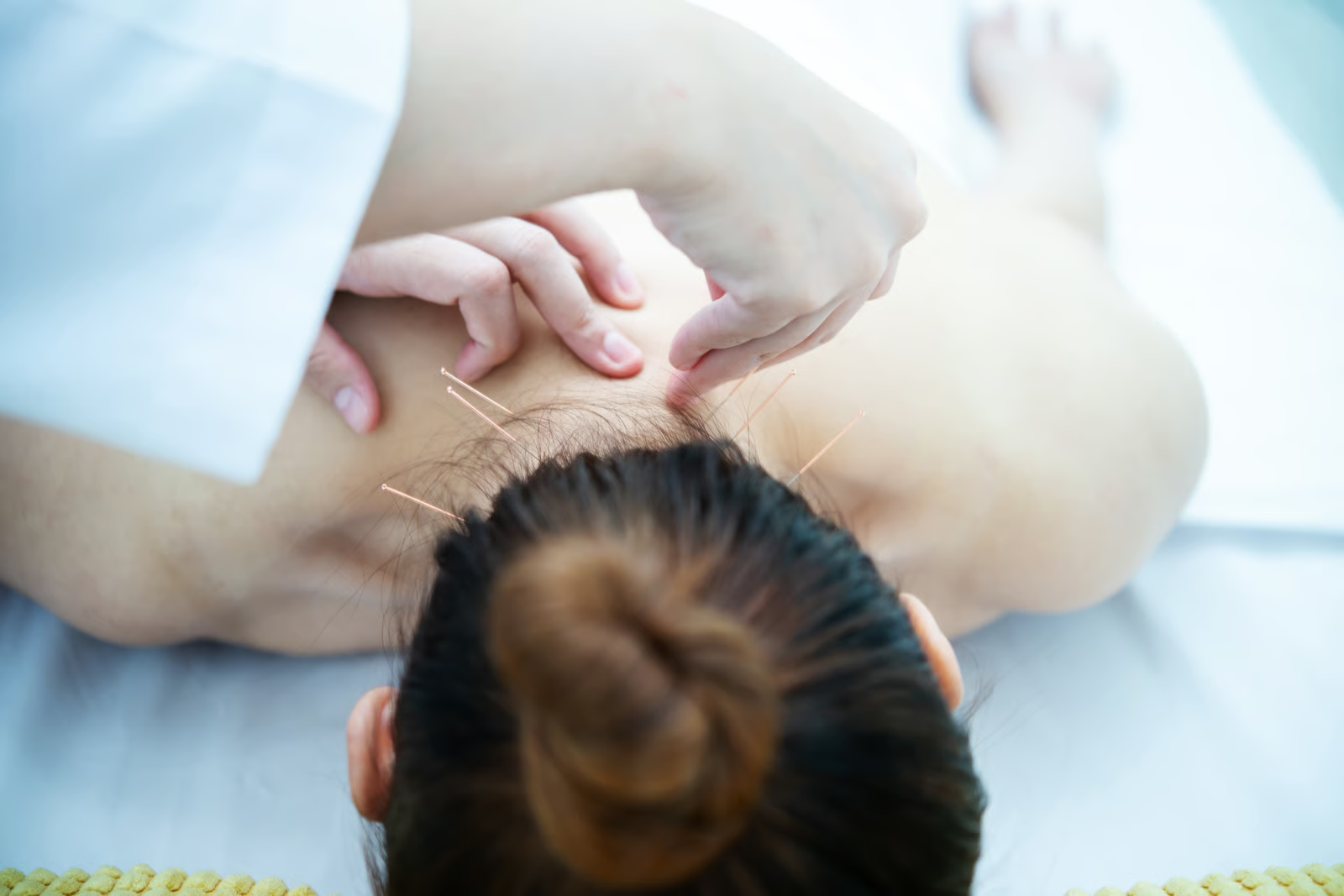
At its core, Medical Acupuncture involves the painless placement of extremely fine, sterile, single-use needles at defined, mapped points in the skin and underlying tissues. Treatment aims to achieve neuromodulation, regulate the nervous and endocrine systems, provide analgesia, and activate the body's endogenous mechanisms of self-healing and homeostasis.
It is not simply a method of temporarily masking symptoms; it is a profound intervention that prompts the body itself to produce its own therapeutic substances and restore its internal balance.
The Neurobiological Mechanism of Action of Modern Medical Acupuncture
Modern neurophysiology and advanced imaging methods, such as functional magnetic resonance imaging of the brain (fMRI), have revealed with precision how the mechanical stimulation of acupuncture points affects the human body at the cellular, neural, and hormonal levels:
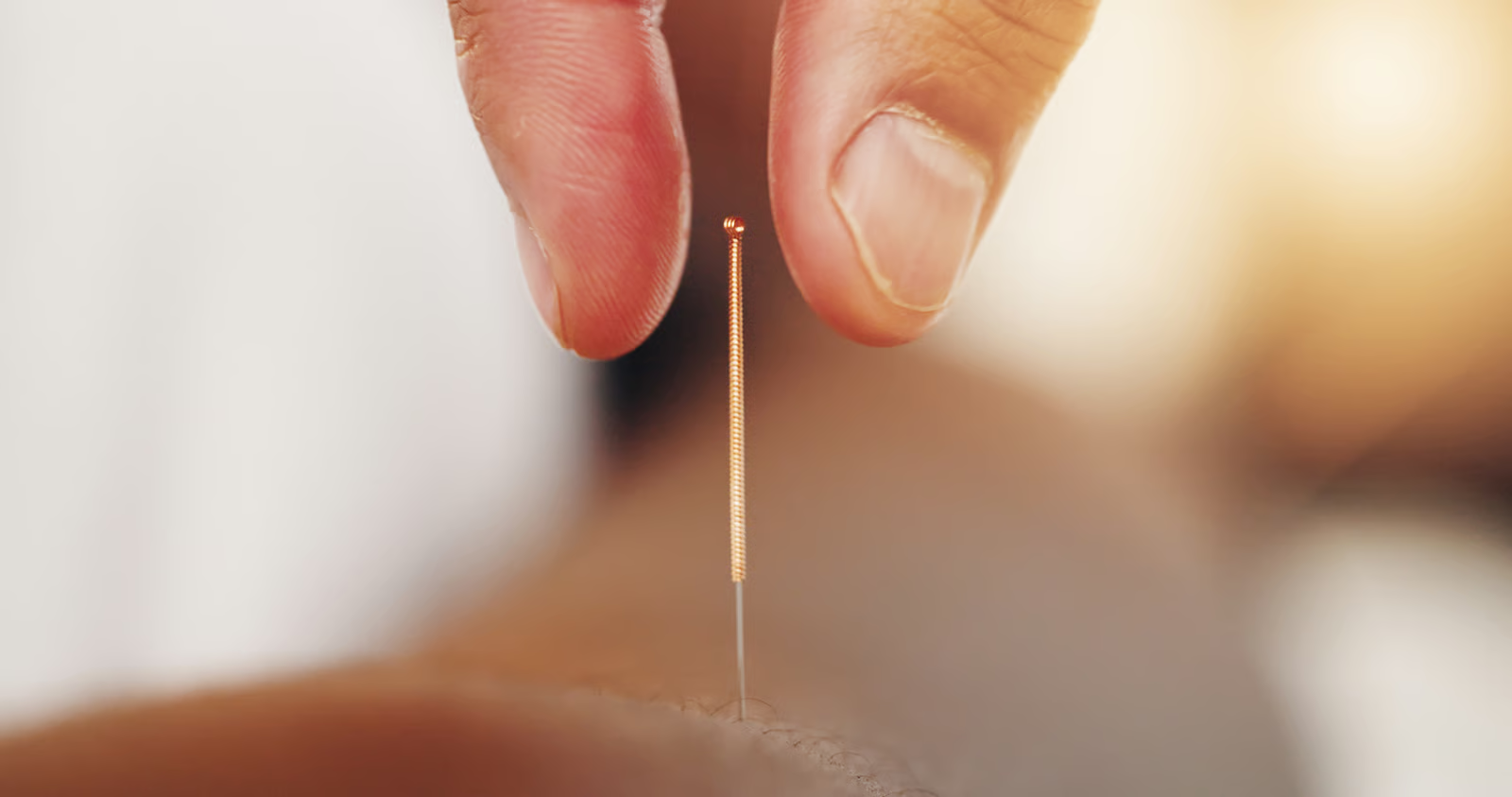
- Release of Endogenous Opioids & Neurotransmitters: Stimulation of peripheral sensory nerve fibers (primarily A-delta and C fibers) immediately transmits electrical signals to the spinal cord, brainstem, hypothalamus, and pituitary gland. This stimulation triggers the immediate release of endorphins, enkephalins, dynorphins, serotonin, norepinephrine, and dopamine. These substances are among the body's most potent natural analgesics, antidepressants, and anxiolytics, providing relief without the chemical burden of exogenous medications.
- The «Pain Gate» Theory (Gate Control Theory of Pain): According to the classic neurophysiological theory developed by Melzack and Wall, rapid needle stimulation of specific myelinated nerve fibers "closes the gate" to the transmission of slower pain signals at the dorsal horn of the spinal cord. The pain signal is therefore effectively blocked at the spinal-cord level before it can reach the cerebral cortex and be perceived as a painful stimulus.
- Regulation of the Autonomic Nervous System: Medical acupuncture reduces overactivity of the sympathetic nervous system, which is responsible for the "fight-or-flight" response, chronic stress, vasoconstriction, and muscle spasm. At the same time, it enhances parasympathetic tone, primarily by stimulating the vagus nerve, promoting deep relaxation, lower blood pressure, improved heart-rate variability, and restoration of gastrointestinal function.
- Effect on the Hypothalamic-Pituitary-Adrenal Axis (HPA Axis): It effectively regulates the secretion of cortisol, the principal stress hormone, suppressing systemic and neurogenic inflammation and restoring endocrine and hormonal disturbances caused by chronic stress.
- Local Microcirculation & Muscle Relaxation: Locally, at the needle insertion site, potent vasodilatory substances such as calcitonin gene-related peptide (CGRP), substance P, and nitric oxide (NO) are released immediately. This rapidly improves blood microcirculation, enhances tissue oxygenation, facilitates the removal of toxic metabolic by-products, and relieves muscle spasms and painful myofascial trigger points.
Pathophysiology, Causes & Predisposing Factors in Chronic Disorders: Why the Body Becomes Dysregulated
The need for a holistic therapeutic intervention such as Medical Acupuncture stems from the way modern lifestyles and environmental factors disrupt the body's physiological mechanisms of homeostasis. The human body is designed to heal itself; however, continuous exposure to stressors compromises this capacity.

The Progression of Chronic Pain and «Central Sensitization»
Acute pain is an essential protective symptom that warns the body of impending or existing injury. When pain persists for a long time without appropriate treatment, however, nerve cells in the spinal cord and brain undergo structural and functional changes, a phenomenon known as neuroplasticity.
This process leads to Central Sensitization: the brain effectively "learns" to feel pain, causing the patient to experience intense, debilitating pain even long after the original tissue injury has healed. Acupuncture acts at precisely this level, "resetting" pain-perception thresholds in the central nervous system and interrupting this vicious cycle.
The Role of Chronic Stress, Neuroinflammation, and Vasoconstriction
Chronic psychological and physical stress leads to persistent, uncontrolled oversecretion of cortisol and adrenaline by the adrenal glands. This sustained neuroendocrine overload causes significant harm across multiple systems:
- Systemic Vasoconstriction and Reduced Perfusion: Constriction of small blood vessels reduces blood flow to the brain, inner ear, and muscles of the neck and back. This is a critical predisposing factor for vertigo, tinnitus, tension-type headache, and cervical pain syndromes.
- Immune Dysregulation & Allergies: Stress disrupts the body's immune response, making it hypersensitive to external stimuli and promoting allergic rhinitis, chronic inflammation of the paranasal sinuses (rhinosinusitis), and respiratory hyperresponsiveness such as bronchial asthma.
- Psychosomatic Exhaustion: Chronic oversecretion of stress hormones leads to insomnia, panic attacks, chronic fatigue syndrome, gastrointestinal disorders such as irritable bowel syndrome, and generalized physical and mental exhaustion.
Medical Acupuncture acts as a potent regulatory catalyst, restoring the disrupted balance among the nervous, endocrine, and immune systems and re-establishing homeostasis throughout the body.
Symptoms & Clinical Indications: Where Medical Acupuncture Can Be Effective
Medical Acupuncture is not a vague "panacea," but a highly effective complementary medical method that integrates with modern treatment protocols. At the «EViasis» clinic in Marousi, acupuncture is tailored to an exceptionally broad spectrum of conditions, from specialist ENT disorders to generalized chronic pain and psychosomatic conditions.
ENT & Neurotologic Conditions (EViasis's Area of Expertise)
Combining conventional otorhinolaryngology and neurotology with Medical Acupuncture offers substantial, evidence-based benefits for conditions that frequently trouble patients over the long term and do not respond fully to conventional pharmacotherapy:
- Vertigo, Dizziness & Balance Disorders: In close collaboration with the specialist Neurotology Department at «EViasis,» targeted acupuncture protocols are applied. Treatment rapidly improves perfusion of the labyrinth, inner ear, and brainstem, supports vestibular compensation, promptly reduces nausea, and relieves cervicogenic vertigo caused by neck-muscle spasm.
- Tinnitus (Ringing in the Ears): Tinnitus is a particularly complex and distressing symptom, often associated with microcirculatory disturbances, severe muscle spasm in the neck and temporomandibular-joint region, and high levels of psychological stress. Acupuncture produces marked local vasodilation and neuromuscular relaxation, increasing oxygen delivery to the auditory nerve and reducing both the perception and intensity of the sound.
- Allergic Rhinitis, Chronic Rhinorrhea & Rhinosinusitis (Sinusitis): Acupuncture has strong anti-inflammatory, antihistaminic, and decongestant effects on the nasal and paranasal mucosa. It significantly reduces nasal congestion, excessive discharge, itching, and sneezing, markedly decreasing the need for continuous corticosteroid nasal sprays and oral antihistamines.
- Olfactory Disorders (Anosmia-Parosmia) & Temporomandibular Joint (TMJ) Dysfunction: It supports neural regeneration in postviral olfactory disorders and relieves painful spasm of the muscles of mastication in patients with bruxism (grinding or clenching the teeth during sleep) and temporomandibular-joint pain.
Acute and Chronic Pain Management
Medical Acupuncture is used worldwide to reduce pain, relieve muscle spasm, and restore mobility in acute and chronic musculoskeletal and neurological conditions:
- Cervical Pain Syndrome & Cervical Radiculopathy: Relief of painful muscle spasm and pressure on the cervical nerves, improved neck mobility and flexibility, and resolution of referred pain radiating to the upper limbs, shoulder blades, and back of the head.
- Low Back Pain & Sciatica: Treatment of acute lumbago, chronic pain caused by degenerative disc disease, herniated intervertebral disc, and spondyloarthropathy, together with effective relief of the acute, penetrating pain associated with irritation of a sciatic nerve root.
- Migraine, Tension-Type Headache & Cluster Headache: International medical guidelines support acupuncture for migraine prevention. It substantially reduces the frequency, intensity, and duration of attacks while decreasing the use of potent analgesics and triptans, which can cause medication-overuse headache.
- Osteoarthritis, Epicondylitis & Musculoskeletal Conditions: Meaningful improvement in pain and inflammation affecting the shoulder (periarthritis, subacromial impingement syndrome), elbow (tennis elbow and golfer's elbow), knee, and hip, as well as accelerated rehabilitation after orthopedic surgery or sports injuries.
Psychosomatic Disorders, Anxiety, Insomnia & Fatigue
Modern life places a considerable burden on mental health, and physical manifestations of anxiety are a daily reality for a substantial proportion of the population:
- Anxiety, Stress & Panic Attacks: Targeted activation of the parasympathetic system produces an immediate sense of calm, slows a rapid heart rate, regulates breathing, and stabilizes emotional control without causing dependence or sedation.
- Insomnia & Sleep Disorders: Regulation of the brain's natural production of melatonin and serotonin helps patients regain deep, uninterrupted, restorative sleep without dependence on hypnotic or sedative medication.
- Chronic Fatigue Syndrome & Fibromyalgia: Increased overall vitality and energy, improved muscular endurance, and a significant reduction in diffuse, debilitating body pain and morning stiffness.
Auricular Acupuncture (Auriculotherapy / Ear Acupuncture)
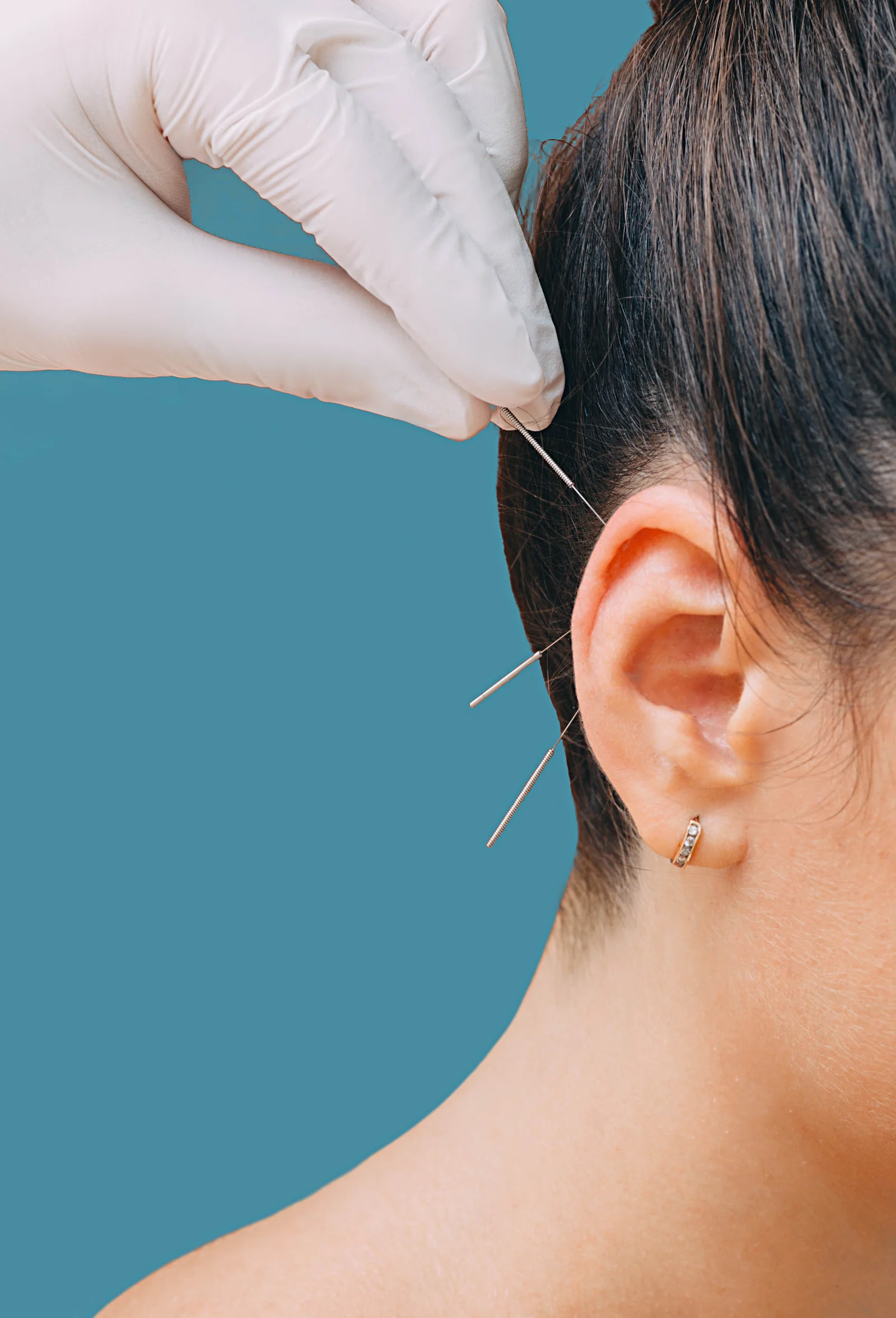
Auricular Acupuncture is a specialized, self-contained microsystem treatment applied exclusively to the external ear. The ear has an exceptionally rich and distinctive nerve supply from branches of the vagus, trigeminal, and facial nerves and the cervical plexus. It effectively functions as a "microcomputer" that reflects and communicates directly with the entire central nervous system and body.
It is used with excellent results in Smoking Cessation, where it suppresses nicotine-withdrawal symptoms and reduces the intense nervousness, cigarette cravings, and irritability of the first few weeks. It is also applied to Weight Loss and Appetite Regulation, effectively controlling stress-related overeating and bulimia, and is used for prompt relief of acute pain and panic attacks.
Cosmetic Facial Acupuncture
Cosmetic Acupuncture is a wholly natural, painless medical method for rejuvenation and anti-aging that continues to gain ground in modern aesthetic medicine. The precise placement of microscopic, specialized needles at facial expression points and within the facial muscles locally stimulates natural collagen and elastin production by fibroblasts, rapidly improves skin microcirculation, and deeply oxygenates the tissues.
The result is smoother fine lines, reduced expression lines, firmer facial contours, and a naturally rested, youthful glow, without introducing chemicals, toxins, or foreign materials into the body.
Diagnostic Approach & Pretreatment Assessment at «EViasis»
One of the fundamental principles distinguishing Medical Acupuncture from nonmedical, empirical practices is that it is never applied without a prior, complete, and thorough medical diagnosis.
At the «EViasis» center in Marousi, every patient undergoes a meticulous clinical and diagnostic assessment before any acupuncture protocol begins, ensuring scientific accuracy and the highest possible level of treatment safety:
Detailed Medical History: The patient's main concern, the precise duration of the pain or symptom, coexisting conditions (such as hypertension, diabetes mellitus, heart disease, and thyroid disorders), current medication (with particular attention to anticoagulants and antiplatelet agents), psychological profile, and lifestyle are documented in detail.
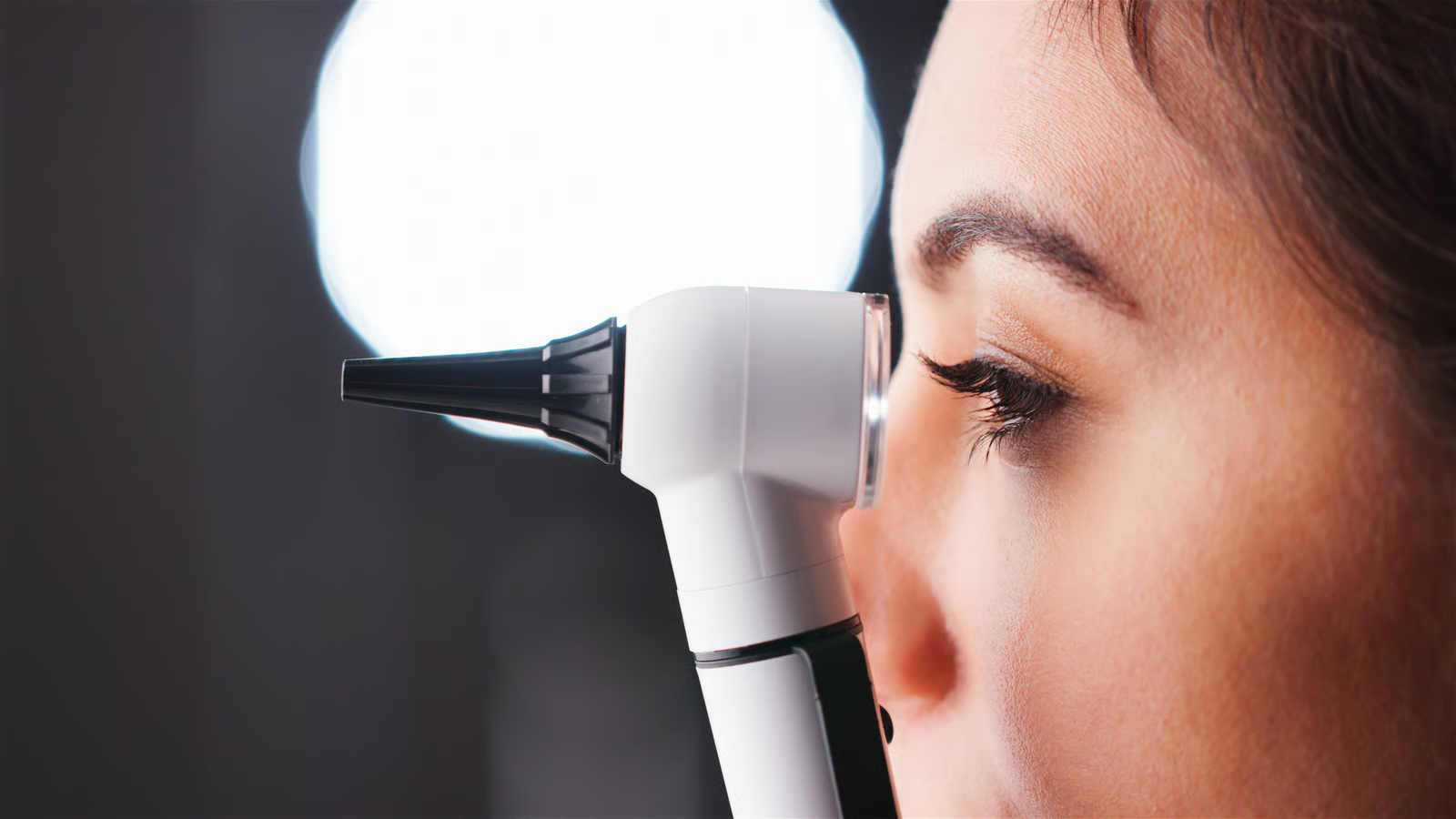
Specialist ENT & Neurotologic Examination: Patients presenting with vertigo, dizziness, unsteadiness, tinnitus, headache, or allergic rhinitis undergo a complete clinical and laboratory assessment using state-of-the-art medical equipment:
- Endoscopic examination of the nose, nasopharynx, sinonasal cavities, and larynx using flexible or rigid high-definition (HD) optical endoscopes to identify anatomical abnormalities or inflammation.
- Complete Audiological Assessment, including pure-tone and speech audiometry in a soundproof booth, tympanometry, and acoustic-reflex testing.
- Neurotologic Assessment of Balance and the Vestibular System, including videonystagmography (VNG), the video head impulse test (vHIT), clinical balance testing, labyrinthine assessment, and testing for benign paroxysmal positional vertigo (BPPV).
Review of Imaging & Laboratory Tests: All magnetic resonance imaging (MRI) and computed tomography (CT) scans, cervical-spine and spinal radiographs, electromyography results, and recent hematology and hormone tests are reviewed carefully to fully characterize the patient's condition.
Exclusion of Serious Organic Disease (Red Flags): The physician's foremost responsibility is to ensure that pain, vertigo, tinnitus, or headache is not concealing serious organic disease—such as malignancy, a tumor (e.g., vestibular schwannoma), a central nervous system infection, autoimmune disease, or stroke—that requires immediate surgery or specific medical treatment.
Treatment: Medical Acupuncture Protocols & Techniques
Medical Acupuncture at «EViasis» is based on rigorous, internationally recognized scientific protocols, fully adapted to each patient's anatomical, neurophysiological, and psychosomatic needs. There are no standardized, one-size-fits-all prescriptions· each session is individually designed for that particular patient at that point in time.
Application Techniques
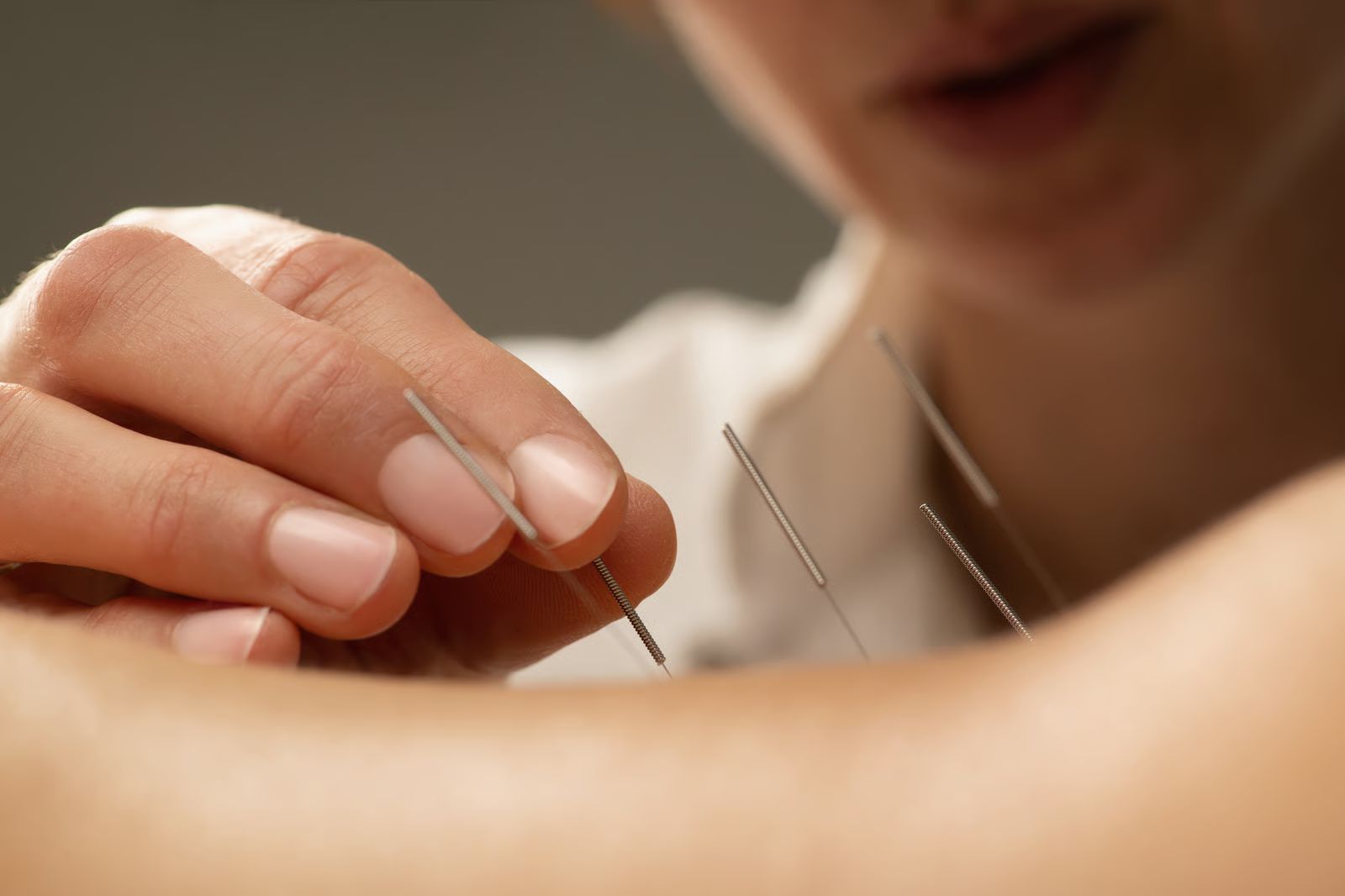
Conventional Body Medical Acupuncture: Special, sterile, single-use stainless-steel needles are used. They are exceptionally fine, ranging from 0.16 to 0.25 millimeters in diameter, and are much thinner than blood-draw needles. Placement uses a specialized, rapid technique and is completely painless. The patient feels a momentary, mild prick, followed by a characteristic gentle sensation of heaviness, warmth, local pressure, or slight numbness at the point.
In medical terminology, this is known as the De Qi sensation and is the clinical sign that the underlying neural receptors have been activated correctly.
- Electroacupuncture: Small specialized clips from a certified medical device are connected to the needles already in place and deliver controlled microcurrents of low frequency and intensity. This technique is especially powerful in treating acute and chronic musculoskeletal pain, sciatica, neuralgia, and severe muscle spasm. The electrical stimulus enhances nerve-fiber activation, producing maximal, sustained endorphin release and rapid neuromuscular relaxation.
- Auricular Acupuncture & Semipermanent Needles: Microscopic needles are placed at specific, mapped neuroreflex points on the ear. To enhance the effect, semipermanent microneedles (such as ASP-type needles) or discreet specialized patches containing magnets or seeds are often used and remain on the patient's ear for several days. This provides continuous, 24-hour neuromodulatory stimulation even while the patient is at home or work, which is especially valuable for smoking cessation, weight loss, and chronic-stress management.
Integration with Western Medicine
Medical Acupuncture neither competes with nor rejects conventional Western medicine; it is an ideal complementary and synergistic ally. At the «EViasis» clinic, patients can safely combine acupuncture with their medication, targeted ENT treatments, vestibular-rehabilitation programs for vertigo, or physiotherapy. This combination provides faster relief, shortens the course of illness, and very often permits a gradual reduction in the required doses of analgesic and anti-inflammatory medication.
Treatment Protocol Duration and Frequency
Needle placement and the period during which the patient remains relaxed usually last 20 to 30 minutes. The entire clinic visit lasts approximately 45 minutes. A complete initial treatment course generally comprises 8 to 12 sessions, depending on how long the condition has been present, its severity, and the body's individual response.
During the initial phase, sessions are held 1 to 3 times per week. As symptoms gradually subside, sessions are reduced to once per week, followed by maintenance sessions that may be held once or twice per month. The effect of acupuncture is cumulative: each session builds on the result of the previous one.
Prevention, Safety & Quality-of-Life Advice
Is Medical Acupuncture Safe?
When performed exclusively by a properly trained and certified physician, Medical Acupuncture is one of the safest treatment methods in modern medicine. It does not carry the serious adverse effects, gastrointestinal toxicity, or addictive potential often associated with chemical analgesics, nonsteroidal anti-inflammatory drugs, or psychotropic medication.
Only sterile, single-use stainless-steel needles are used. They are opened in front of the patient immediately before application and disposed of in dedicated medical sharps containers after the session, eliminating the possibility of infection or transmission of pathogenic microorganisms. In addition, expert medical knowledge of human anatomy ensures maximum safety during needle placement by precisely avoiding vital organs, nerves, blood vessels, and sensitive anatomical structures.

Instructions Before and After the Session
For the best possible experience and maximum therapeutic benefit from each Medical Acupuncture session, patients should follow several simple but important instructions:
- Before the Session: Do not arrive at the clinic on a completely empty stomach. A light meal approximately 1 to 2 hours before the session is recommended to prevent dizziness or hypoglycemia while relaxing. Also avoid alcohol and excessive caffeine (coffee and energy drinks) for several hours before your visit, as their stimulating effects may interfere with relaxation of the nervous system.
After the Session: It is very important to drink plenty of water, as hydration helps clear metabolic waste from the tissues and supports microcirculation. Allow yourself to remain calm and relaxed for the next 2 to 3 hours, avoiding strenuous exercise, heavy lifting, or demanding manual work.
Mild fatigue, a pleasant feeling of drowsiness, or profound physical relaxation immediately after the session is entirely normal and often desirable. This indicates that acupuncture has successfully activated the parasympathetic nervous system and initiated the body's self-healing process.
Holistic Lifestyle Improvement
To sustain the benefits of Medical Acupuncture over time and help prevent symptoms from recurring, treatment should be supported by positive lifestyle changes:
- Incorporate regular mild- to moderate-intensity physical activity into your daily routine, such as brisk walking, swimming, Pilates, or yoga, to support healthy blood circulation and strengthen the muscular system.
- Pay attention to ergonomics at work and at home by adjusting the height of your chair and computer screen and avoiding prolonged poor head posture while using mobile phones (text-neck syndrome), which places considerable strain on the cervical spine.
- Adopt effective stress-management practices, maintain a consistent nighttime sleep schedule (at least 7 to 8 hours), and follow a balanced anti-inflammatory diet rich in fresh vegetables, fruit, omega-3 fatty acids, and lean protein while limiting processed foods, sugar, and saturated fat.
About the Doctor & the «EViasis» ENT Center
The «EViasis» Center for Otorhinolaryngology, Neurotology & Medical Acupuncture (ent.gr) is based in Marousi and was established to provide comprehensive medical services of the highest standard, always centered on the individual and their specific needs. At «EViasis,» modern technology and evidence-based Western medicine meet the holistic therapeutic philosophy of Medical Acupuncture in an elegant setting designed to convey calm and safety.

Medical Director: Dr. Christina Efthymiou
Dr. Christina Efthymiou, an ENT surgeon, specialist neurotologist, and certified Medical Acupuncture physician, has extensive clinical, hospital, and surgical experience in managing the full spectrum of ENT conditions and vestibular disorders (vertigo, dizziness, and balance disorders). She has received formal training and certification in Medical and Auricular Acupuncture and incorporates this important therapeutic method into her daily clinical practice.
This distinctive dual medical specialization enables Dr. Christina Efthymiou to approach complex and challenging problems—such as persistent vertigo, distressing tinnitus, chronic headache, cervical pain syndromes, and severe allergies—from a comprehensive perspective. She does not focus solely on suppressing a local symptom, but seeks the true source of the disorder and applies innovative, individualized treatment protocols that combine the diagnostic precision of Western medicine with the regulatory and regenerative potential of acupuncture.
Why Choose «EViasis» for Medical Acupuncture in Marousi
- Performed Exclusively by a Physician: Medical Acupuncture at «EViasis» is performed exclusively by a certified physician with specialist training and experience in Medical and Auricular Acupuncture, ensuring clinical validity and maximum protection.
- Fully Individualized Protocol: Every treatment program is designed exclusively for the individual patient (a tailor-made approach), taking into account their medical history, physical condition, and lifestyle.
- Modern Medical & Diagnostic Equipment: The clinic has latest-generation diagnostic and therapeutic equipment, ensuring maximum precision, safety, and strict hygiene standards.
- Integration with Other «EViasis» Medical Services: Immediate collaboration and comprehensive assessment by the specialist ENT, Neurotology, Audiology, Vestibular Rehabilitation, and Endoscopy departments under one roof enhance treatment effectiveness.
- Holistic Management of Pain, Stress & Chronic Conditions: Our primary goal is not only temporary pain relief, but meaningful, long-term improvement in the patient's physical and mental health, well-being, and overall quality of life.

Access & Patient Services
The Medical Acupuncture Department at «EViasis» is centrally located and easily accessible in Marousi. It serves patients from Marousi and throughout Athens' Northern Suburbs—including Kifisia, Chalandri, Vrilissia, Melissia, Pefki, Lykovrysi, Psychiko, Filothei, Iraklio, and Agia Paraskevi—as well as from across Attica. For further information and to schedule an appointment, visit the official website at https://ent.gr/en/.

Extensive Frequently Asked Questions (FAQ)
The following is a complete, detailed guide answering more than fifteen frequently asked patient questions about Medical Acupuncture and its application at the «EViasis» clinic.

Does needle placement in Medical Acupuncture hurt?
No. Needle placement does not hurt and is entirely different from the pain of an injection or blood draw. The needles used in modern Medical Acupuncture are extremely fine, flexible, solid, and slender; they are not hollow and do not cut tissue like hypodermic needles.
During rapid, technically precise placement, the patient may feel a momentary, minimal prick similar to a mosquito bite. A mild, pleasant sensation of heaviness, warmth, or local pressure at the point may then occur. This characteristic medical sensation, known as De Qi, confirms appropriate stimulation of the neural point.
Most patients report that the procedure is so relaxing that they often fall asleep during the session.
How long does a Medical Acupuncture session last?
The needles remain in the patient's body for approximately 20 to 30 minutes, during which the patient lies comfortably and relaxes in a calm, warm clinical setting with soothing music. The entire visit lasts approximately 45 to 50 minutes, allowing enough time for medical assessment and clinical examination, discussion of symptoms and health progress, and unhurried preparation and recovery after the needles are removed.
How many sessions will I need to see meaningful improvement?
The exact number of sessions depends on the nature of the problem (acute or chronic), its severity and duration, and each person's individual response. For recent acute problems—such as acute lumbago, a severe neck spasm, an acute muscle injury, or an acute migraine attack—3 to 5 sessions may be sufficient for substantial or even complete relief.
For established chronic conditions that have troubled the patient for months or years (such as chronic migraine, cervical pain syndrome, vertigo, tinnitus, allergic rhinitis, or chronic stress), a complete course of 8 to 12 sessions is recommended, as acupuncture has a cumulative therapeutic effect and deep neuromodulation requires time.
How soon do the first treatment results appear?
Most patients report deep relaxation, an overall sense of well-being, less inner tension, improved sleep quality, and a noticeable reduction in pain after the first or second session. Meaningful, stable, long-term therapeutic change in chronic symptoms, however, generally becomes apparent after 4 to 6 sessions.
It is important for patients to complete the recommended course even if they feel better sooner, so that appropriate neurological and hormonal regulation can become established and relapses can be prevented.
Does Medical Acupuncture have side effects or contraindications?
Medical Acupuncture is considered extremely safe when performed by a specialist physician and offers the notable advantage of having no systemic adverse effects, allergic reactions, or toxicity of the kind associated with medication. Rarely, a small, temporary bruise (mild local hematoma) may occur at a needle site and resolve within a few days without complication; a mild feeling of relaxation or drowsiness may also occur immediately after the session.
Regarding contraindications and precautions, the physician must be informed if the patient takes anticoagulant or antiplatelet medication (e.g., Sintrom, Eliquis, or Plavix) or has a serious bleeding tendency, so that appropriate needles and specialized techniques can be selected to avoid bleeding. Acupuncture may be used during pregnancy and can be highly beneficial for morning sickness, vomiting, and low back pain; however, specific anatomical points that could stimulate uterine contractions are strictly avoided.
Electroacupuncture over the chest is also avoided in patients with a pacemaker.
What is the difference between Medical Acupuncture and Traditional Chinese Acupuncture?
Traditional Chinese Acupuncture interprets disease as a disruption in the flow of vital energy known as "Qi" through intangible energy channels called meridians and is based on the empirical Chinese philosophy of Yin and Yang and the five elements. Medical Acupuncture, although it uses traditional, anatomically mapped points on the skin, is fully integrated into Western Evidence-Based Medicine.
Its effects are explained, studied, and confirmed through neuroanatomy, neurophysiology, and molecular biology—including endorphin release, autonomic-nervous-system regulation, and anti-inflammatory effects in the central nervous system—and it is applied only after a modern clinical and diagnostic medical assessment of the patient.
Why should acupuncture be performed exclusively by a physician?
In Greece, under official decisions of the Central Health Council (KESY) and the Greek State, and throughout the advanced countries of the Western world, Medical Acupuncture is an officially recognized medical act and may legally be practiced only by physicians. A physician is the only healthcare professional with the necessary education, clinical experience, and in-depth training in anatomy and pathophysiology to:
- Establish an accurate, valid medical diagnosis and rule out serious organic disease or dangerous conditions requiring surgery or another urgent medical intervention.
- Place needles with maximum safety, avoiding injury to vital organs, nerves, blood vessels, and the lungs (preventing iatrogenic pneumothorax).
- Integrate acupuncture safely and appropriately into the patient's overall treatment and medication plan while responsibly monitoring clinical progress.
How does acupuncture help with vertigo, dizziness, balance disorders, and Meniere's disease?
In close collaboration with the specialist Neurotology Department at «EViasis,» Medical Acupuncture is an excellent complementary therapeutic tool for patients with balance disorders. Its effects include:
- Improved microcirculation and increased perfusion of the inner ear (labyrinth) and brainstem, where the vestibular nuclei are located.
- Effective reduction of spasm and tension in the neck muscles, providing prompt relief from cervicogenic vertigo and the sensation of unsteadiness caused by musculoskeletal problems.
- Relief of troublesome autonomic-nervous-system symptoms such as nausea, vomiting, sweating, palpitations, and generalized dizziness.
- In Meniere's disease, it helps regulate fluid pressure within the inner ear (endolymph) and substantially reduces severe stress and anxiety, which are among the strongest triggers of vertigo attacks.
Can acupuncture genuinely help with tinnitus (ringing in the ears)?
Tinnitus is a particularly complex, subjective symptom that is difficult to treat. Medical Acupuncture offers meaningful, multifactorial support for tinnitus through several important mechanisms:
- It significantly increases blood flow and oxygen delivery to the cochlea and auditory nerve through local vasodilation of the ear's small capillaries.
- It releases and relaxes tense muscles in the cervical spine and temporomandibular joint, which very often cause or aggravate somatosensory tinnitus.
- It effectively regulates the central nervous system and substantially reduces chronic stress and hyperarousal, which markedly amplify the brain's perception of tinnitus. This improves sound tolerance, promotes calm, reduces irritability, and improves sleep quality.
Is acupuncture effective for allergic rhinitis, sinusitis, and chronic rhinorrhea?
Yes. It is particularly effective and represents an important natural option for patients with respiratory allergies. Acupuncture reduces the inflammatory response in the nasal mucosa and regulates the body's excessive, dysregulated immune response to airborne allergens such as tree pollen, house-dust mites, animal dander, and molds.
Patients receiving acupuncture—either preventively one month before the onset of spring or during acute symptoms—report significant reductions in nasal obstruction, discharge, itching, and sneezing, while also reducing their reliance on corticosteroid nasal sprays and sedating antihistamine tablets.
How does acupuncture work for smoking cessation and weight loss?
Smoking cessation and weight loss are strongly supported by Auricular Acupuncture (acupuncture at neural points on the ear) combined with targeted body acupuncture:
- For Smoking Cessation: Acupuncture stimulates endogenous endorphin and dopamine production in the brain's reward centers, mimicking the neurochemical effect of nicotine. It thereby substantially reduces the physical and psychological symptoms of withdrawal, including intense cigarette cravings, nervousness, irritability, insomnia, and anxiety during the first weeks after quitting.
- For Weight Loss: It supports natural control of appetite and hunger, reduces stress-related emotional eating and cravings for sweets, regulates gastrointestinal motility and function, and supports overall metabolism.
What is Auricular Acupuncture, and how does it differ from Body Acupuncture?
Auricular Acupuncture (Auriculotherapy) is a specialized, self-contained form of acupuncture focused exclusively on the external ear. The ear is a remarkable anatomical "microsystem" in which all organs, joints, and body regions are anatomically represented through an exceptionally rich network of nerve endings from the vagus and other cranial nerves.
- The difference is that Body Acupuncture uses needles at various points on the body, which are removed at the end of the session. In Auricular Acupuncture, in addition to conventional needles used during the session, semipermanent microscopic seeds, magnets, or adhesive microneedles (ASP) may be placed and kept on the ear for 3 to 5 days, providing continuous 24-hour neuromodulatory stimulation even when the patient is away from the clinic.
Can I receive Medical Acupuncture while taking medication?
Absolutely. Medical Acupuncture is a natural, biological method that does not adversely interact with medication, burden the liver or kidneys, or cause toxicity. Instead, it works synergistically with prescribed treatment. In many cases of chronic pain, allergies, migraine, or anxiety disorders, successful acupuncture may permit a gradual, controlled reduction in medication dosage—always with the agreement and guidance of the treating physician.
What is Cosmetic Facial Acupuncture, and what are its benefits?
Cosmetic Facial Acupuncture is a natural medical method for anti-aging, skin renewal, and rejuvenation that avoids invasive techniques. Painless placement of specialized, exceptionally fine needles at facial points and in the muscles of expression:
- Naturally stimulates local collagen and elastin production in the deeper layers of the dermis.
- Markedly improves blood microcirculation, cellular oxygenation, and the removal of metabolic waste from facial tissues.
- Noticeably smooths fine lines and reduces the depth of more prominent expression lines on the forehead and around the eyes.
- Improves skin tone, firmness, and elasticity and creates a natural, healthy, youthful glow without toxins, injectable chemicals, or surgery.
Is Medical Acupuncture covered by public or private health insurance?
In Greece, Medical Acupuncture is not covered directly by the public health-insurance authority (EOPYY). Many private insurers, however, cover Medical Acupuncture sessions in full or in part under outpatient or inpatient plans, provided that sessions are performed by an officially certified physician for specific medical indications and diagnoses, such as chronic-pain management, cervical pain syndrome, low back pain, migraine, or postoperative rehabilitation.
The «EViasis» clinic provides patients with all necessary medical documentation, reports, and official receipts for submission to their insurer.
How can I book an assessment and Medical Acupuncture appointment at «EViasis» in Marousi?
You can schedule your visit to the «EViasis» clinic quickly and easily in either of two ways:
- By Telephone: Contact the reception team at our Marousi clinic during business days and hours to select a date and time that suits your schedule.
- Online: Visit our official website at https://ent.gr/en/, where you can complete the contact and online-appointment form and find detailed information about all available Otorhinolaryngology, Neurotology, and Medical Acupuncture services.
Summary: Holistic Medical Care at «EViasis»
Medical Acupuncture at the «EViasis» Center for Otorhinolaryngology, Neurotology & Medical Acupuncture in Marousi, performed under the medical direction of Dr. Christina Efthymiou, is not merely a method of temporary symptom relief. It is a comprehensive, evidence-based medical approach that respects and harnesses the biology of the human body.
By combining expert clinical knowledge of modern Western medicine, state-of-the-art diagnostic capabilities, and genuine empathy for each patient's needs and difficulties, we provide a therapeutic experience that addresses the deeper source of the problem.

Whether you experience vertigo, tinnitus, balance disorders, or allergic rhinitis, or struggle daily with chronic pain, migraine, cervical pain, anxiety, insomnia, or psychosomatic fatigue, Medical Acupuncture offers a safe, natural, painless, and highly effective pathway toward recovery, well-being, and renewed vitality and quality of life.